
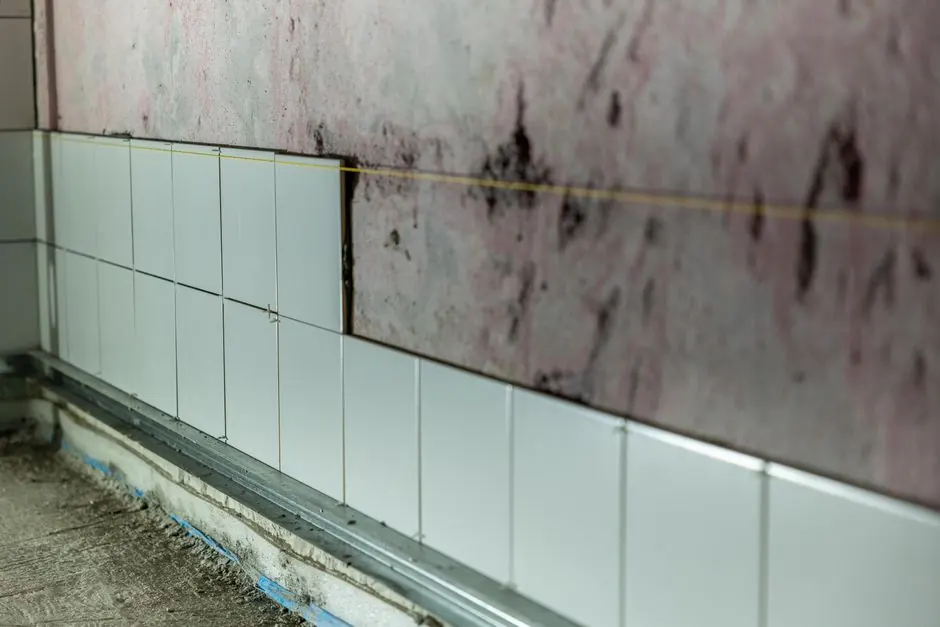
Black mold is not automatically more dangerous than every other mold; the health risk depends on the species, how much growth is present, how long you are exposed, and your own sensitivity. Some molds can produce irritating or allergenic particles, but a dark color cannot tell you whether a colony is toxic. For South Carolina homeowners, the most useful response is to control the moisture, avoid disturbing a sizeable patch, and arrange an inspection when growth is extensive or hidden.
Is Black Mold More Dangerous Than Other Mold? is a mold-risk question that helps you decide whether visible growth needs careful inspection and moisture-focused remediation. We explain what color can and cannot tell you, how exposure affects people, and what to do if you find dark growth during fall's humid, rainy stretches.
Our team handles Mold Remediation in South Carolina by locating the moisture source, containing affected areas when needed, and removing contaminated material safely. You do not need to identify a species before taking a water leak or recurring dampness seriously.
Is black mold more dangerous than other types of mold?
Black mold is not inherently more dangerous than all other molds, because risk depends on species, exposure level, duration, and a person's health rather than color alone. Some molds produce substances called mycotoxins under particular conditions, but seeing a black patch does not establish that it produces toxins or that exposure has caused illness.
The name "black mold" commonly refers to dark-looking growth, not one confirmed species. Stachybotrys chartarum is often associated with the label, yet other species can also look black, green-black, or brown. A photo or visual inspection cannot reliably tell them apart.
Health effects reported around damp buildings include nasal stuffiness, eye or throat irritation, coughing, wheezing, and worsening asthma symptoms. People with asthma, mold allergies, chronic lung disease, or weakened immune systems should be especially careful around significant growth. Symptoms have many possible causes, so a clinician-not a mold color-should evaluate health concerns.
For homeowners asking about black mold compared with other mold types, the practical takeaway is straightforward: do not rank a patch by color. Find the water source and assess the amount, location, and materials involved. Dampness and persistent growth deserve attention even if the mold is white, green, or orange.
Does the color of mold identify its health risk?
Color does not reliably identify mold species or health risk in a South Carolina home; professional laboratory analysis is needed to identify a sample, and species identification still does not directly measure an individual's exposure or medical risk.
Dark growth can vary in appearance as it develops. Surface color changes with the material beneath it, moisture, lighting, age, and other organisms growing nearby. Black spots on drywall, wood, grout, or a window frame can therefore come from different molds-or sometimes from dirt, soot, or staining that is not mold.
We look at the conditions around the growth, not just its color. A musty smell, water staining, peeling paint, condensation, or a known leak can point to a moisture problem that needs attention. In coastal parts of the state, humid air and wind-driven rain can contribute to damp building materials; in any home, a plumbing leak or poorly vented bathroom can create the same conditions.
Testing is not automatically necessary. If growth is visible and the source is clear, removing affected material and correcting the moisture problem often matters more than learning a species name. Mold Testing and Sampling in South Carolina can help answer a specific question when results will guide a decision, such as investigating hidden growth or documenting a complex indoor-air concern.
What affects black mold health concerns in a home?
Black mold health concerns in a South Carolina home depend most on how much material is affected, whether particles become airborne, how long people are exposed, and whether anyone has asthma, allergies, or immune-system vulnerability.
A small patch on a bathroom tile is not the same situation as growth covering drywall behind a cabinet. The size of the affected area, the porousness of the material, and whether a ventilation system could spread particles all influence cleanup. The U.S. Environmental Protection Agency recommends professional help for mold areas larger than about 10 square feet, roughly a 3-by-3-foot patch, and for certain complex situations such as contaminated heating and cooling systems.
Exposure can happen while you live in a damp room, disturb mold during cleaning, or move contaminated belongings. Children, older adults, and people with respiratory conditions may be more sensitive, but no one can determine an individual's health outcome from appearance alone. If someone develops breathing difficulty or a severe reaction, seek medical care promptly.
Our inspection focuses on the source and spread: roof or window leaks, plumbing, crawl-space moisture, condensation, and bathroom or kitchen ventilation. In the Midlands, homeowners dealing with dampness around older plumbing or after heavy rain can find localized support through Mold Remediation in Columbia. We check affected materials and moisture conditions rather than promising a medical conclusion from a mold sample.
How to respond to suspected black mold in a South Carolina home
To respond to suspected black mold in a South Carolina home, stop the moisture source if safe, keep people from disturbing the growth, and arrange an assessment if the affected area is large, hidden, recurring, or connected to HVAC equipment.
Start with the condition that lets mold grow. Repair a minor plumbing drip, dry a clean spill, or use an exhaust fan that vents outdoors; do not open a wall or remove a large section of drywall just to inspect behind it. If a roof leak or stormwater intrusion is active, protect belongings and address the water entry first.
For a small patch on a hard, nonporous surface, a healthy adult may be able to clean it with detergent and water while avoiding dust and splashing. Porous materials such as ceiling tile, insulation, and drywall often need removal once mold has penetrated them. Never mix bleach with ammonia or other cleaners, and do not run a fan directly at visible growth.
Use this quick check before deciding what comes next:
- Is the affected area more than about 10 square feet?
- Does growth return after cleaning, or is there a persistent musty odor?
- Could the mold be inside a wall, crawl space, attic, or air duct?
- Does anyone in the home have asthma, mold allergies, or a weakened immune system?
A "yes" to any of these makes a professional assessment a sensible next step. For questions about how to respond to suspected black mold in a South Carolina home, remember that prompt drying matters: mold can begin growing on wet materials within 24 to 48 hours under favorable conditions.
Common mistakes to avoid with dark mold growth
South Carolina homeowners should avoid disturbing suspected mold, relying on color as a toxicity test, or cleaning visible spots without fixing the moisture source. Those mistakes can spread particles or allow growth to return.
Scrubbing a large dry patch, scraping it, or sanding painted drywall can release material into the room. Covering growth with paint does not remove it, and spraying a surface without drying the building materials does not correct the underlying problem. If the dampness remains, the stain or growth often returns.
Another common mistake is using a home test kit as a pass-or-fail safety test. Mold spores exist indoors and outdoors, so a positive result alone does not prove a health hazard; a negative sample does not rule out concealed growth. Sampling is most useful when a qualified professional has a clear reason for collecting it and can interpret the result in context.
Do not assume every black mark is mold, either. Soot, residue, and other staining can look similar. A careful inspection considers the surface, moisture history, odor, and signs of active water intrusion before recommending removal.
When to call a professional for black mold removal
South Carolina homeowners should hire a mold remediation professional when growth covers more than about 10 square feet, returns after cleaning, affects porous building materials, sits in a concealed space, or may involve an HVAC system.
Professional help is also prudent after sewage backup, flooding, or a prolonged roof or plumbing leak. Those jobs involve more than wiping a surface: the team needs to prevent cross-contamination, remove damaged materials where necessary, dry the structure, and verify that the moisture source has been addressed.
Our technicians assess the affected area, identify likely moisture pathways, and explain a practical cleanup plan. For safe black mold cleanup by a remediation contractor, containment and appropriate protective equipment matter because opening or removing contaminated materials can disturb particles. We also check surrounding materials rather than stopping at the first visible stain.
If your home has a small, accessible patch and no one is medically vulnerable, a professional visit may not be necessary. But extensive or hidden growth is different. Black Mold Removal in South Carolina is appropriate when the material, area, or moisture history makes a do-it-yourself wipe-down an unreliable fix.
Homeowners in the Lowcountry sometimes face repeated moisture from humid air, roof leaks, or water intrusion, so a recurring odor deserves more than another coat of paint. Our team also provides Mold Remediation in Charleston for local property owners who need the source investigated and affected materials addressed. We give upfront pricing before work proceeds.
For when to hire a black mold inspection professional, use the 10-square-foot guideline as a practical threshold, not a medical boundary. Call sooner if mold is behind a wall, near an air handler, or affecting someone with significant respiratory vulnerability. We can inspect, explain whether sampling would change the plan, and recommend next steps without treating a color as a diagnosis.
Frequently Asked Questions
Is black mold more dangerous than other types of mold?
No; black color alone does not prove greater danger, and exposure risk depends on species, amount, duration, and personal sensitivity. Some molds can trigger allergy or asthma symptoms. If growth covers more than about 10 square feet, keeps returning, or affects hidden materials, have the area assessed rather than trying to judge safety by appearance.
Can you identify a mold type by its color?
No; color cannot reliably identify a mold species. Several species can look black or dark green, and surface material, age, and lighting alter appearance. A laboratory can identify a collected sample, but that result does not by itself determine whether someone will become ill or whether remediation is needed.
Should I test suspected black mold?
Usually not when visible growth and its moisture source are already clear. Testing is most useful when an inspection identifies a specific unanswered question that could change the response, such as suspected hidden growth or a complicated indoor-air concern. Do not use a single home-kit result as a medical diagnosis or a guarantee that a room is safe.
When should black mold be professionally removed?
Call a professional when growth exceeds about 10 square feet, returns after cleaning, affects porous materials, follows flooding or sewage, or may be inside an HVAC system. Hire help sooner if a person with asthma, severe mold allergy, or a weakened immune system lives in the home. The moisture source must be corrected along with the growth.
Who handles black mold remediation in South Carolina?
South Carolina Mold Remediation handles inspection and cleanup for residential mold concerns across the state. We assess visible and suspected hidden growth, identify moisture conditions, and remove affected materials when needed. For health symptoms, contact a healthcare professional; remediation addresses the building, not a person's diagnosis.
Get help with Mold Remediation in South Carolina
If dark growth keeps returning or covers a broad area, South Carolina Mold Remediation can inspect the moisture problem and explain a safe path to removal. Call +1 803-812-0162 to discuss your home and arrange the next step.