
Logo
Get Estimate

Mold Testing and Sampling in South Carolina

Clear answers about indoor mold, moisture, and next steps


Mold Testing and Sampling in South Carolina helps homeowners, property managers, and business owners identify suspected growth and track down moisture before repairs begin. We inspect the affected area, choose air or surface collection based on the question, and arrange laboratory analysis. Our professional mold sampling in South Carolina gives you findings tied to the building conditions, not guesswork from a color or musty odor.

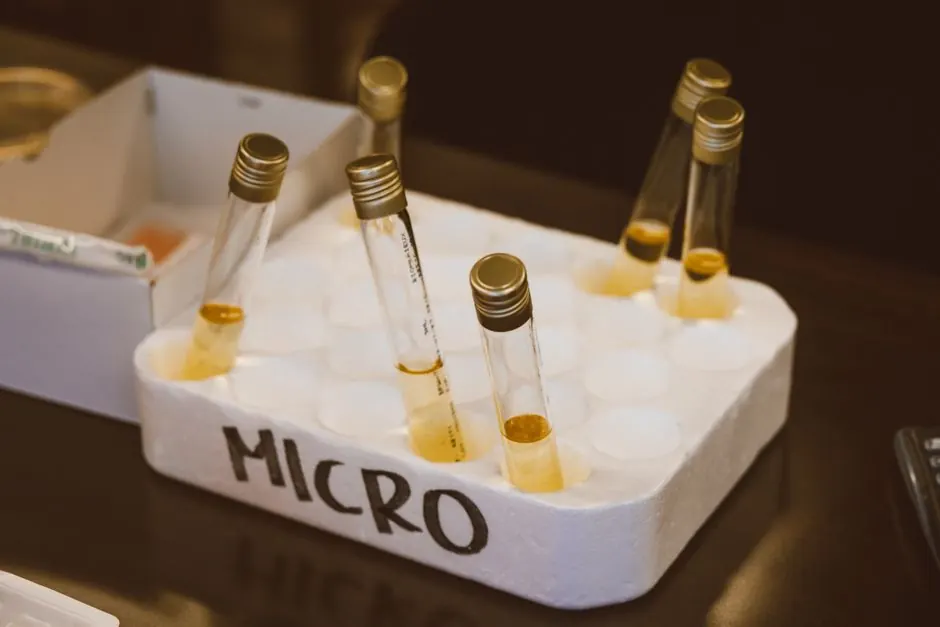
Close-up of laboratory test tubes with samples in a styrofoam tray labeled 'MICRO.'
Licensed Licensed & Bonded
Fully Insured Insured & Bonded
24/7 Emergency Same-Day Response
Warranty Backed Workmanship Guaranteed

What Mold Testing Includes

Our testing visit covers a focused discussion, visual assessment of accessible areas, moisture checks, sample collection when it answers a defined question, and an explanation of laboratory findings. We document where samples came from and what conditions were present. Repair, material removal, and remediation are separate work; if testing identifies a concern, we explain how those next steps connect to your results.

Concern and History Review

We discuss the odor, staining, water event, or prior cleanup and identify the rooms that matter most. Your timeline helps us distinguish a current moisture issue from an older event and plan a focused inspection rather than testing without a clear purpose.
Visual and Moisture Checks

We inspect accessible surfaces and use appropriate instruments to check selected materials and indoor humidity. A moisture meter or hygrometer provides useful context, but readings are recorded as observations, not treated as a laboratory identification of mold.

Air or Surface Collection

We select air or surface sampling based on the question and the material involved. An air sampling pump collects airborne particles at planned locations; surface collection targets a specific visible area. We document each sample and explain the method before collection.

Laboratory Report Review

After laboratory analysis, we review the report with you and connect the results to the rooms and conditions documented during the visit. We explain what the findings support, what they cannot establish, and whether moisture correction or additional assessment is the sensible next action.

Mold Testing and Sampling in South Carolina


Mold Testing and Sampling in South Carolina is an environmental assessment service that collects air or surface samples to evaluate suspected indoor mold and guide decisions about moisture correction or cleanup. We first check visible conditions, odors, moisture readings, and the history of leaks; then we select sample locations that answer a specific question. A moisture meter helps compare damp and dry materials, while a hygrometer records relative humidity. Laboratory results are interpreted alongside site observations because a sample alone does not explain the source or extent of a problem.

Warm, humid stretches, wind-driven rain, plumbing leaks, and air-conditioning condensation can all support indoor mold growth in South Carolina homes and commercial buildings. We use indoor mold testing services South Carolina property owners request when a musty smell persists, stains return after cleaning, or occupants need objective information before repairs. For mold testing after water damage South Carolina properties need, we look for hidden water intrusion in wall cavities, crawl spaces, attics, and HVAC areas, not just the visible stain.

How Testing Proceeds

South Carolina mold testing and sampling follows a clear sequence: define the concern, inspect relevant areas, collect appropriate samples, and explain the findings. You will know what we are checking and how the results relate to your building before we recommend a next step.

01

Schedule

Call or book online — a real human picks up and confirms a 2-hour arrival window.

02

Diagnose

Licensed tech inspects on-site, then walks you through the cause and your options.

03

Fix

The job is completed to code and done right the first time — no shortcuts, no surprises.

04

Guarantee

Every job backed by a written workmanship warranty — and we stand behind it.

Tools and Testing Methods

Tools & Equipment

Moisture meter

We check selected building materials for elevated moisture and compare readings across affected and nearby areas. This helps target further inspection; it does not identify mold species or replace laboratory analysis.

Hygrometer

A hygrometer records relative humidity and temperature during the visit. Those conditions help explain why condensation or high indoor humidity may be contributing to the concern and add context to air sample interpretation.

Air sampling pump

We use an air sampling pump to collect airborne particles at documented locations for laboratory analysis. The sample reflects a specific place and time, so we record collection conditions and explain the limits of the result.

Thermal imaging camera

A thermal imaging camera helps locate temperature differences that may warrant moisture checks behind a finish. We confirm suspicious patterns with other inspection methods rather than treating an image as proof of mold or water.

HEPA-filtered vacuum

When appropriate during related cleanup work, a HEPA-filtered vacuum captures fine particles from surfaces. It supports controlled work practices but is not itself a mold test and does not replace source correction.

Methods & Standards

Targeted air sampling

We choose indoor collection points based on the reported concern and relevant building conditions. Where useful, an outdoor comparison provides context. The lab report is reviewed with location notes and site observations; no single air result is treated as a complete inventory of a building.

Surface sample collection

A surface sample is collected from a specific suspect material when identification can help answer the customer's question. We document the exact location and material, avoid unnecessary disturbance, and explain that a result applies to the sample collected rather than every surface in the room.

Moisture pathway assessment

We trace likely water sources from visible damage toward plumbing, roof assemblies, windows, crawl spaces, and HVAC components. Readings and observations help identify where additional investigation is warranted. Controlling the source is central to preventing recurring mold after cleanup.

Remediation standard reference

When findings lead to cleanup planning, we reference the ANSI/IICRC S520 Standard for Professional Mold Remediation as a professional framework. The approach considers containment, affected materials, and source correction, while adapting the work to the actual building and documented conditions.

When Testing Helps Most

01

A homeowner in Greenville smells a persistent odor after last winter's roof leak but sees no surface growth.

What we do: We inspect the attic and nearby ceiling, check accessible materials for moisture, and look for signs of roof entry or condensation. If the concern remains unclear, we choose samples that address the affected room and compare them with suitable context. We then explain what the results can guide.

→ You get a documented view of the areas checked and a clearer choice between roof repair follow-up, further investigation, or targeted cleanup.

02

A coastal rental in North Myrtle Beach has recurring condensation around an HVAC closet during humid weather.

What we do: We review HVAC operation and inspect the closet, adjacent surfaces, and visible condensate pathways. A hygrometer helps record indoor humidity, while selected sampling can assess a specific suspected area. We separate equipment condensation observations from laboratory findings so the report remains understandable.

→ You can address moisture behavior and decide whether a defined material needs cleanup, instead of treating every nearby room as affected.

03

A Moncks Corner business needs findings after a plumbing leak affected a shared office wall.

What we do: We coordinate access to the affected office and nearby comparison space, record the water history, and inspect accessible wall surfaces. If air or surface sampling is useful, we document locations and conditions to support a focused commercial response and clear communication with occupants.

→ The manager receives location-specific findings that help plan repairs and communicate which spaces were examined.

04

A family in Simpsonville wants a check of selected rooms after remediation work is complete.

What we do: We review the completed work and the question behind the requested post-work evaluation, then inspect the defined areas. If sampling is appropriate, we collect from agreed locations and explain how current conditions affect interpretation. Findings are not represented as a guarantee about every concealed space.

→ You receive an understandable review of the tested locations and guidance on whether the observed work and conditions support the next step.

How Testing Works Across South Carolina

Mold Testing and Sampling in South Carolina changes with building type and moisture pattern. Coastal homes and low-lying properties often deal with humid air, wind-driven rain, and salt-air exposure; inland buildings can show roof leaks, plumbing failures, or crawl space moisture after prolonged wet weather. We inspect the actual structure rather than assume every region has the same cause. Professional mold sampling in South Carolina starts with a specific question, then considers how the HVAC system, occupancy, and recent water events affect collection. Older homes may have plaster, masonry, or layered finishes that require careful access decisions, while newer construction can hide moisture behind tight assemblies. We use EPA mold guidance and relevant safety practices, and explain when the ANSI/IICRC S520 framework applies to remediation planning. There is no single statewide mold test that certifies an entire property; results apply to the areas and conditions assessed. You receive practical findings and a clear next step.

Neighborhoods We Serve

  • James Island

    Humid coastal conditions and wind-driven rain can expose window edges, roof transitions, and HVAC areas to moisture; we target the locations connected to the reported odor or staining.

  • Greenville

    Roof leaks, basement dampness, and plumbing events can affect different levels of a home; we compare affected materials with nearby areas and document each sample location.

  • Summerville

    Warm, humid periods can contribute to condensation and persistent indoor humidity; we record room conditions and inspect likely moisture pathways before selecting samples.

  • Moncks Corner

    Crawl spaces and water entry around lower building assemblies deserve attention after prolonged damp conditions; we check accessible areas and explain any limits on inspection.

Local Conditions We Plan For

  • Coastal humidity and wind-driven rain reach vulnerable exterior assemblies

    Moisture can collect near windows, roof transitions, and HVAC components. We inspect the pathway connected to the reported issue and avoid treating one coastal sample as representative of the full building.

  • Crawl space moisture persists beneath homes after wet weather

    Damp soil, plumbing leaks, or a compromised crawl space vapor barrier can affect framing and indoor conditions. We document accessible observations and direct sampling toward a specific concern rather than assuming the entire crawl space has the same condition.

  • Seasonal HVAC condensation raises indoor humidity

    Condensation on HVAC components can create localized dampness even when other rooms appear dry. We note system operation and humidity conditions, then assess whether a targeted surface or air sample contributes useful information.

Musty Bedroom After Roof Leak

Before

A bedroom ceiling had a faint stain following a roof leak, and a musty odor persisted after the visible mark dried. The homeowner could not tell whether moisture remained in the attic insulation or whether the smell came from another source. No sample locations or readings had been recorded.

After

We checked the ceiling and accessible attic area, recorded moisture readings at selected points, and collected targeted samples where they could answer the concern. The report documented 3 locations and identified the affected area for follow-up rather than suggesting the entire home had the same condition.

Maintenance: Keep the roof repair in good condition, check the ceiling after heavy rain, and maintain attic ventilation. If the stain returns or a new odor develops, record where it appears and arrange a focused moisture check.

Before

A homeowner noticed a persistent earthy odor after a wet stretch but saw no clear growth in living areas. The crawl space was difficult to assess from the access opening, and the source could have involved damp soil, plumbing, or a material hidden from view.

After

Our inspection recorded humidity and moisture observations at selected accessible points, then identified where closer investigation was warranted. The customer received a location-based summary and a clear distinction between observed dampness and laboratory sample findings, avoiding assumptions about every room above the crawl space.

Maintenance: Check the crawl space after prolonged rain and address plumbing drips promptly. Keep the vapor barrier intact and note any standing water or new odor; those details help target any future inspection.

Before

A small office leak affected one shared wall, but the property manager needed to decide whether nearby work areas also required attention. The drywall had dried on the surface, yet the timing of repairs and uncertainty about the cavity made planning difficult.

After

We inspected the reported wall and selected nearby comparison points, documenting 4 relevant locations for the assessment. The manager received laboratory findings and moisture observations tied to those areas, helping focus follow-up on the affected wall rather than closing the whole office suite.

Maintenance: Confirm the plumbing repair remains dry, inspect the wall after the next building-use cycle, and respond to returning odor or staining. Keep the assessment record with the maintenance history for future comparison.

Resolve Mold Testing Concerns

Mold air testing and sampling in South Carolina is most useful when a building concern needs a clear, documented answer. We investigate the moisture context, select appropriate collection points, and explain what the results mean for your next decision.

Problem

Musty odor persists even though no mold is visible

The odor may point to a damp cavity, hidden leak, or HVAC condensation; masking it can leave the moisture source active and allow damage to spread.

Our Fix

We inspect likely pathways, check accessible materials for moisture, and decide whether air or surface samples can add useful evidence. If a cavity is suspected, we discuss targeted inspection rather than broad, unexplained testing. You receive findings tied to the locations examined and a practical route to follow.

Problem

Dark staining returns after repeated household cleaning

Recurring marks can reflect continuing moisture or affected porous material, so repeated surface wiping may not address the condition behind the finish.

Our Fix

We document the stained area, inspect nearby plumbing, windows, or exterior entry points, and collect a surface sample only when identification helps answer your concern. Results are considered with moisture readings. If the source is active, we explain why fixing it comes before repainting or replacing finishes.

Problem

Water damage occurred and hidden materials remain uncertain

Unverified dampness inside walls or under flooring can lead to odor, deterioration, and mold growth even after the visible water has been removed.

Our Fix

We review the event history, inspect accessible surfaces, and take readings in the affected zone and nearby comparison areas. If sampling is appropriate, we document each point and explain the laboratory report. This gives you a more informed basis for deciding whether drying, selective opening, or cleanup is needed.

Problem

A property needs documentation before repair or occupancy decisions

Without a clear record of tested rooms and conditions, owners and managers may struggle to plan work or explain what has been assessed.

Our Fix

We identify the question, agree on relevant locations, and record collection methods and observations. Our review distinguishes tested areas from untested parts of the building. You get a useful record for planning, rather than a blanket claim about the entire property.

Useful Findings, Practical Next Steps

Useful Findings, Practical Next Steps

Good testing answers a defined question and gives you a sensible next move. We connect sample locations, moisture evidence, and building use so results are useful for deciding whether to monitor, correct a leak, remove affected material, or arrange further assessment.

  • Find Hidden Moisture

    A thermal imaging camera can help identify temperature patterns that warrant closer moisture checks behind finishes, while a borescope can inspect selected cavities through a small access point. These tools do not diagnose mold by themselves; they help us target sampling and avoid opening walls without a reason.

  • Choose the Right Sample

    Air sampling is useful for comparing indoor and outdoor airborne particles under documented conditions; surface sampling answers a different question about visible material. We explain the purpose before collecting, so you know why a sample is being taken and what it can and cannot establish.

  • Support Repair Decisions

    Laboratory findings, moisture readings, and photographs give you a better basis for planning work than appearance alone. If the concern involves mold-contaminated porous materials, we identify the affected location and discuss whether targeted removal, drying, or further investigation is the appropriate next step.

  • Document a Changing Building

    A written record of sample locations, site conditions, and readings lets you compare findings after a leak repair or cleanup. For recurring mold after cleanup, that record helps distinguish a persistent moisture source from a new event and narrows the next inspection.

Training and Standards

Licensed & Certified

  • IICRC Applied Microbial Remediation Technician — issued by Institute of Inspection, Cleaning and Restoration Certification
  • IICRC Water Damage Restoration Technician — issued by Institute of Inspection, Cleaning and Restoration Certification
  • ACAC Council-certified Indoor Environmentalist — issued by American Council for Accredited Certification
  • EPA Renovation, Repair and Painting certification — issued by U.S. Environmental Protection Agency

Verified Reviews

Customer feedback Not stated

A homeowner in Summerville described a musty bedroom after a roof leak. Our technician checked the attic, explained the collection method, and reviewed the report by location. The customer appreciated knowing which area needed follow-up instead of receiving a broad claim about the entire house.

Customer feedback Not stated

A Greenville property manager needed to understand an odor near an HVAC closet. The assessment documented the affected area and connected the findings to condensation concerns. The manager said the clear explanation made it easier to plan targeted maintenance and communicate with occupants.

Customer feedback Not stated

A James Island homeowner wanted information after a plumbing leak before closing the wall. We checked moisture and explained what the samples could show. The customer valued the straightforward review and the distinction between tested areas and rooms that were not part of the assessment.

Field Knowledge and Training

Our local experience covers residential and commercial buildings with different moisture patterns, from coastal condensation to attic mold from roof leaks and damp crawl spaces inland. We approach sampling as one part of a building assessment, not a stand-alone promise that every area is clear. Technicians follow relevant training and safety practices, including OSHA respiratory protection requirements when work conditions call for respiratory protection. We use EPA mold guidance and the ANSI/IICRC S520 Standard for Professional Mold Remediation as useful references when findings connect to cleanup planning. Your report is explained in plain language, with observations separated from laboratory results.

  • Sampling plans match the concern, building use, and suspected pathway rather than relying on a fixed number of samples for every property.
  • Technicians recognize that a moisture reading, visible growth, and laboratory identification answer different questions and should be interpreted together.
  • Our team considers IICRC Applied Microbial Remediation Technician training when evaluating cleanup-related questions and remediation context.
  • For water-affected sites, IICRC Water Damage Restoration Technician knowledge supports practical discussion of drying and moisture control.
  • We record sample locations and conditions so you can connect the report to the rooms and materials inspected.
Get Started Today
Field Knowledge and Training

Cities We Serve Across South Carolina

We provide Mold Testing and Sampling in communities across South Carolina, adapting the inspection to coastal humidity, inland moisture, and each property's construction. Our coverage includes major metros and smaller towns, with professional mold sampling in South Carolina planned around the rooms and conditions that prompted your call. We serve the Upstate, Midlands, Pee Dee, and coastal communities with a consistent focus on documented observations and useful next steps.

Greenville

We inspect reported odors, roof leaks, and basement dampness, then select sample locations that relate directly to the affected room and moisture history.

Summerville

Our assessment considers humid conditions, HVAC condensation, and water entry around exterior openings before choosing air or surface sampling.

Simpsonville

We check suspected growth alongside plumbing, window, and attic moisture pathways, documenting readings and sample locations for clear follow-up.

North Myrtle Beach

Coastal humidity and wind-driven rain can affect building assemblies; we focus sampling on the rooms and materials connected to your concern.

Moncks Corner

We assess reported odors and lower-level moisture, including accessible crawl space areas, then explain which findings need further investigation.

James Island

Our technicians consider coastal moisture, condensation, and roof entry while documenting the exact areas inspected and any samples collected.

Murrells Inlet

For homes affected by persistent humidity or storm-related water entry, we connect sample results with observed moisture conditions and building use.

Travelers Rest

We investigate reported roof leaks, basement dampness, and recurring staining, using targeted checks to distinguish visible symptoms from moisture sources.

Clover

Our assessment documents the affected room, checks nearby materials for moisture, and uses sampling only when it helps answer a defined question.

Darlington

We evaluate water-damaged areas and persistent odors with a focused inspection, recording sample locations so results remain tied to the property.

Cheraw

We check suspected growth and moisture pathways in homes and commercial properties, then explain what the laboratory findings can support.

Duncan

Our team assesses plumbing leaks, condensation, and visible staining, selecting a practical sampling plan for the specific rooms involved.

Mullins

We document reported water events and suspected mold areas, combining inspection observations with targeted samples where they add useful information.

Wellford

We inspect the affected space, check accessible materials for moisture, and explain whether air or surface collection fits your concern.

Pickens

Our technicians assess suspected growth after leaks or damp conditions, recording what was inspected and outlining the next practical step.

Frequently Asked Questions

Real answers to the questions we hear most often from local homeowners and property managers.

How much does mold testing and sampling cost in South Carolina?
A focused residential visit commonly costs about $250 to $700, depending on inspection time, sample count, and laboratory methods. In 2026, a larger home or commercial building with multiple areas can cost more because it needs additional collection points and documentation. We explain the price before sampling. Testing does not include leak repair or mold removal, which are separate work.
When is mold sampling recommended?
Sampling is recommended when a specific question cannot be answered by visual inspection and moisture checks alone. Examples include persistent musty odor without visible growth, comparing selected indoor areas, documenting a concern after water damage, or checking defined locations after cleanup. We first inspect the building; if visible growth and an active moisture source already establish the needed action, laboratory sampling may not change the plan.
What does an indoor mold air test measure?
An indoor air sample measures airborne fungal particles captured at a specific location and time, with the laboratory identifying and reporting the collected material. Results are interpreted alongside outdoor comparison data, room conditions, and activity during collection. The test does not measure every hidden surface or prove that a building is entirely free of mold. We explain those limits when reviewing the report.
Who can perform mold testing in South Carolina?
A qualified indoor environmental professional or trained mold assessment provider can collect samples and explain the results; the appropriate credentials depend on the work and role. Ask how the technician selects locations, documents conditions, and handles laboratory analysis. Our team discusses training relevant to mold assessment and remediation, uses suitable protective equipment, and connects results to practical moisture-control steps.

Related Services

Mold Remediation

When testing and inspection indicate affected materials need controlled removal or cleaning, remediation addresses the identified area and moisture cause. We plan containment and cleanup around the building conditions, then explain whether follow-up assessment or sampling suits your project.

View Mold Remediation

Mold Inspection and Assessment

An inspection evaluates visible conditions, moisture pathways, and likely affected areas. It helps determine whether sampling adds useful information or whether the immediate priority is correcting a leak, improving ventilation, or investigating a concealed cavity.

View Mold Inspection and Assessment

Black Mold Removal

Dark staining cannot identify a mold species by sight. If testing and inspection show a cleanup need, our team can address affected materials with appropriate containment and removal practices rather than relying on color as a diagnosis.

View Black Mold Removal

Residential Mold Removal

For homes with confirmed or suspected growth, testing can help focus work on specific rooms and materials. Residential removal then addresses the affected area while moisture correction helps reduce the chance that growth returns.

View Residential Mold Removal

Commercial Mold Remediation

Commercial sampling can document concerns across offices, tenant areas, or shared building spaces. Findings help property managers plan targeted remediation, coordinate access, and communicate which locations were assessed and which remain outside the tested area.

View Commercial Mold Remediation

Attic Mold Remediation

Attic sampling may help assess a defined concern, but roof leaks, ventilation, and condensation must also be checked. Remediation addresses affected materials after the source is understood, including insulation or wood surfaces where appropriate.

View Attic Mold Remediation

Schedule Mold Testing and Sampling

A musty odor, recurring stain, or unresolved water event deserves a focused assessment. We explain the sampling plan, document findings, and review practical next steps. Call +18038120162 to speak with our team about your South Carolina property.

Call Today Call for Testing

Talk With Our Team

Call us at +18038120162 to discuss visible mold, water intrusion, or a musty smell in your home or business. We take calls around the clock for urgent water-related concerns and arrange service across South Carolina. Tell us what happened, which rooms are affected, and whether the leak is still active so we can help you plan the next step.

Or call us right now at +18038120162 — we answer.

South Carolina Mold Remediation


  • Phone

    +18038120162
  • Address

    South Carolina

  • Hours

    Mon–Fri: 7AM – 7PM
    Sat: 8AM – 4PM
    Sun: Emergency Only
    24/7 Emergency Available

Call +18038120162 Get Quote
Call Quote