
Logo
Get Estimate

Mold Remediation in South Carolina for a Dry, Healthier Home

We contain growth, remove damaged material, and address moisture.


Mold Remediation in South Carolina helps homeowners and property managers address visible growth, musty odors, and moisture damage before affected areas spread. Our team identifies the water source, contains the work area, and cleans or removes contaminated materials using methods suited to your building. Whether a pipe leak, roof failure, crawl space moisture, or humid summer air started the problem, we focus on the cause as well as the affected surfaces.

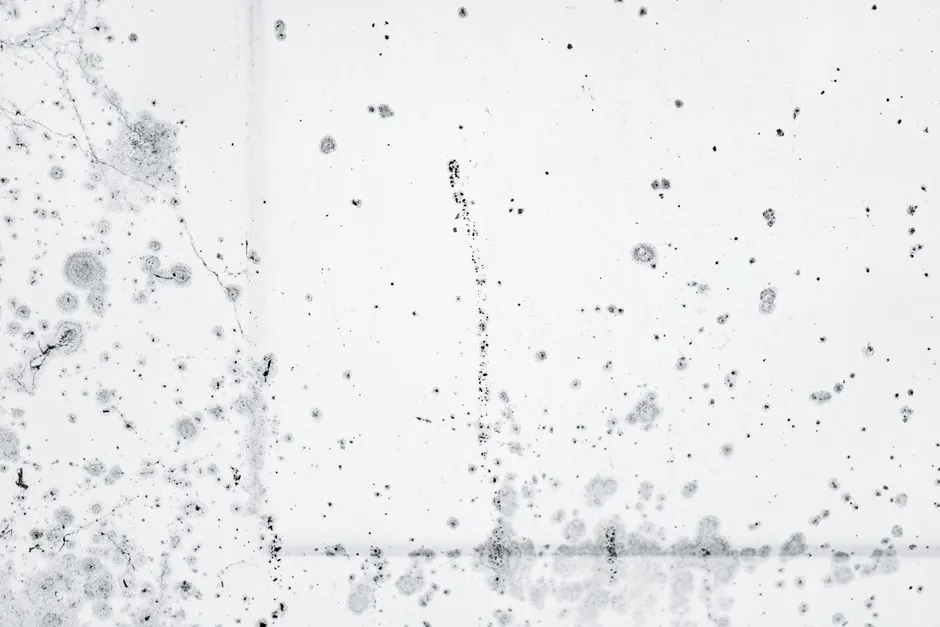
Intricate pattern of black mold spores on a white background, showcasing decay and organic growth.
Licensed Licensed & Bonded
Fully Insured Insured & Bonded
24/7 Emergency Same-Day Response
Warranty Backed Workmanship Guaranteed

What Mold Remediation Includes

Mold remediation covers inspection of the affected area, containment, removal or cleaning of impacted materials, HEPA-controlled debris handling, and drying checks. We also identify the moisture conditions that need correction to help prevent repeat growth. Plumbing, roofing, or HVAC repairs may require a separate trade, and laboratory sampling is used when it answers a specific project question. We explain what is part of the cleanup and what source repair your property still needs.

Affected Area Assessment

We document visible growth, water staining, affected materials, and nearby moisture conditions. The inspection helps define a work area and determine whether the problem appears limited or extends into concealed spaces. You receive a straightforward explanation of what we found and why the proposed treatment fits the materials.
Containment and Protection

We separate the work zone from clean areas using appropriate barriers and filtration. Floors and nearby belongings receive protection, and debris is controlled during removal. Before work begins, we explain which rooms are restricted and what you should move or leave in place.

Cleaning or Material Removal

Our crew cleans suitable hard surfaces and removes porous materials that are too damaged or contaminated to restore reliably. HEPA-filtered vacuuming captures fine debris from treated surfaces. The method depends on the material, its condition, and whether moisture has affected its structure.

Drying and Moisture Review

We use air movement and dehumidification where needed, then check damp materials with a moisture meter. The aim is to confirm the area is moving toward dry conditions, not simply to make the surface look clean. We identify any remaining leak or humidity concern for follow-up.

Closeout and Prevention

At completion, we review the treated area, explain what was removed or cleaned, and outline practical moisture-control steps. Advice may include repairing roof entry, improving ventilation, or monitoring humidity. You leave with a clear understanding of what the cleanup addressed and what helps protect the result.

Mold Remediation in South Carolina: What It Involves


Mold Remediation in South Carolina is a property restoration service that removes or cleans mold-affected materials while correcting the moisture conditions that support growth. We inspect visible damage, check nearby surfaces, and use a moisture meter or thermal imaging camera to trace damp areas beyond what you can see. After setting containment, we remove porous materials that cannot be cleaned, HEPA-vacuum salvageable surfaces, and dry the work area. The goal is a clean, dry space with the water source addressed, not a quick wipe that leaves the underlying problem untouched.

Warm, humid weather, wind-driven rain, plumbing failures, and damp crawl spaces all create different routes for indoor mold growth across South Carolina. Coastal homes may face persistent humidity and storm-related water intrusion, while older homes elsewhere can hide leaks in attics, wall cavities, or below-grade rooms. Our South Carolina mold remediation services start with the conditions at your property. For a leak or flood, residential mold remediation services in South Carolina pair source control and drying with careful removal of affected materials.

What to Expect During Remediation

Mold remediation follows a sequence: inspect, isolate, remove or clean, dry, and verify. For a contained area under roughly 100 square feet, active work can take one to three days; larger or concealed damage takes longer. We explain the next step as we go, so you know when the room is restricted and when it is ready for normal use.

01

Schedule

Call or book online — a real human picks up and confirms a 2-hour arrival window.

02

Diagnose

Licensed tech inspects on-site, then walks you through the cause and your options.

03

Fix

The job is completed to code and done right the first time — no shortcuts, no surprises.

04

Guarantee

Every job backed by a written workmanship warranty — and we stand behind it.

Equipment and Controlled Methods

Tools & Equipment

HEPA air scrubber

We run a HEPA air scrubber in or near the containment zone to filter airborne particles during controlled removal and cleaning. Air filtration supports work-area separation; it does not replace removing contaminated materials or correcting moisture.

Moisture meter

A moisture meter checks dampness in accessible building materials and helps track drying progress. We compare readings across affected and nearby areas so you can see whether moisture is confined or still present beyond the visible stain.

Thermal imaging camera

A thermal imaging camera helps identify temperature patterns that can point to a damp or concealed area requiring closer inspection. We use it as a screening aid, then verify suspect locations with direct assessment or moisture readings.

Negative air machine

A negative air machine helps maintain controlled airflow at containment during removal. Used with suitable filtration and barriers, it directs air away from clean spaces and supports a more controlled work zone in occupied properties.

Dehumidifier

A dehumidifier removes moisture from the air while wet building materials dry. We pair dehumidification with appropriate air movement and check material readings, since lower room humidity alone does not prove that a wall or floor is dry.

Methods & Standards

ANSI/IICRC S520 Work Practices

We use the ANSI/IICRC S520 Standard for Professional Mold Remediation as a framework for evaluating affected materials, establishing containment, and selecting removal or cleaning methods. The standard supports a disciplined process, but the actual work still depends on the building, water source, material condition, and project goals.

Source Control Before Closure

We identify the leak, condensation, or humidity condition driving growth and make source correction part of the plan. Roof, plumbing, and HVAC repairs are coordinated with the appropriate trade when needed. We do not recommend closing a repaired wall while the materials remain wet or the water path continues.

HEPA Cleaning and Debris Control

We remove unsalvageable porous material in a controlled manner, bag debris, and HEPA-vacuum suitable surfaces. Cleaning is matched to the surface and the extent of contamination. This sequence reduces dust transfer and helps keep unaffected rooms separate from the remediation area.

Moisture-Based Drying Verification

Drying is tracked using material readings and inspection rather than a fixed timer alone. We use dehumidification and air movement where the conditions call for them, then reassess damp materials. A 24-to-72-hour drying window is common for accessible areas, but concealed moisture can take longer.

When to Schedule Mold Remediation

01

A supply line leaks overnight, leaving a wet cabinet, wall, or flooring before you can arrange repairs.

What we do: We help assess the affected materials and moisture spread, then contain and clean areas that show mold or remain contaminated after the water event. Our crew checks adjoining surfaces instead of limiting the work to the cabinet face. We also identify the drying and plumbing repairs needed to stop the source and stabilize the space.

→ You get a controlled cleanup plan tied to the leak, with damaged materials addressed and the remaining area checked for moisture before rebuilding.

02

A musty attic smell appears after heavy rain, even though the ceiling has no obvious stain.

What we do: We inspect accessible roof decking, insulation, and framing for water entry and mold growth. If the roof leak is active, that source must be corrected as remediation proceeds. We isolate affected materials, remove what cannot be cleaned, and dry the area before the attic is put back into normal use.

→ The hidden source is investigated, affected materials are handled deliberately, and you know whether roof repair or ventilation changes remain necessary.

03

A commercial tenant reports visible growth and odor in a room used by staff or customers.

What we do: We define the affected zone and plan containment around access, furnishings, and daily building operations. The crew uses controlled removal and filtration, then checks the moisture source and drying conditions. We coordinate the work sequence with the property contact so the cleanup does not spread dust into adjoining occupied areas.

→ The affected space has a defined cleanup path, with practical access instructions for staff and a moisture-focused closeout for property management.

04

A home shows staining along a crawl space floor or bottom wall after a wet season.

What we do: We assess the crawl space for damp framing, standing water, and moisture movement into the home. The cleanup may include removing unsalvageable materials and drying accessible surfaces. We also identify conditions such as drainage problems or missing vapor control that need attention to reduce repeat moisture.

→ You learn which materials need remediation and which crawl space conditions should be corrected to protect floor framing and indoor air quality.

How Mold Remediation Works in South Carolina

South Carolina's long humid season puts steady moisture pressure on homes, especially coastal properties, shaded crawl spaces, and buildings with limited ventilation. Autumn storm systems can drive rain through roof details, while winter temperature swings create condensation on cool surfaces and HVAC components. We adjust the inspection to the building: raised homes often need crawl space checks, older houses can hide leaks behind plaster or trim, and commercial properties may have larger mechanical areas with condensation issues. Our South Carolina mold removal services focus on containment and the source of moisture, not just the room where growth is visible. For a commercial mold remediation company in South Carolina, operational access matters too; we plan defined work zones and filtration around staff and customers. We use the ANSI/IICRC S520 framework and EPA mold guidance, and we follow applicable OSHA respiratory protection requirements for worker protection. We do not treat a single humidity reading as a diagnosis: a hygrometer reading above 60% indoors is a prompt to investigate moisture control, while material readings help locate wet building components. The goal is a specific plan for your property and its actual water path.

Neighborhoods We Serve

  • Charleston historic districts

    Older homes can have layered finishes and concealed leaks around roofs, windows, and plumbing. We inspect adjoining materials carefully before deciding where limited removal is needed.

  • Mount Pleasant coastal homes

    Humid air and wind-driven rain can keep exterior walls and crawl spaces damp. We check the moisture path and ventilation conditions before selecting cleanup and drying methods.

  • Columbia residential areas

    Summer humidity and roof or plumbing leaks can combine in attics and wall cavities. We check insulation and framing around the visible stain, not only the finished ceiling.

  • Greenville and nearby foothill communities

    Sloped lots and changing weather can direct water toward foundations or lower-level rooms. We inspect basement and crawl space conditions alongside interior growth.

Local Conditions We Plan For

  • Coastal humidity and storm-driven water intrusion

    Salt air is not the cause of mold, but persistent humidity and wind-driven rain can keep building materials damp. We check roof edges, exterior walls, and crawl spaces for water entry, then dry affected materials after source control.

  • Warm summers with prolonged indoor humidity

    If indoor humidity stays above about 60%, condensation and damp materials become more likely, especially in closed rooms and around cooling equipment. We assess the actual moisture pattern and recommend ventilation or equipment corrections where needed.

  • Raised homes with damp crawl spaces

    Moisture below a raised home can affect floor framing and contribute to odors indoors. We inspect accessible framing, soil conditions, and existing vapor control, then identify which cleanup and moisture-control steps fit the site.

Laundry Wall After a Pipe Leak

Before

A slow supply-line leak left the laundry room wall damp and produced a musty smell. The visible stain measured about 3 feet by 4 feet, but moisture readings showed wet drywall beyond the painted area. The cabinet and nearby baseboard also needed inspection before the crew could determine how far removal should extend.

After

The leak was stopped, the affected drywall and wet insulation were removed, and the exposed framing was cleaned and dried. The contained work area was checked over 48 hours, with readings taken at multiple points. The room was left ready for repair after the moisture source and affected materials had been addressed.

Maintenance: Check supply hoses and shutoff connections every few months, and repair small drips promptly. Keep the laundry area ventilated after use. If a new stain or odor appears, investigate the leak before repainting.

Before

A roof leak affected insulation and a section of roof decking, though the ceiling below showed only a faint mark. The attic had a persistent odor after rain, and several areas felt damp. The owner needed to know whether the issue was surface staining or water-damaged material.

After

After roof entry was corrected, the crew removed wet insulation that could not be restored, cleaned suitable surfaces, and dried the accessible framing. Follow-up checks over 72 hours showed the treated materials moving toward dry conditions. The attic odor decreased after the wet materials were removed and the area was ventilated.

Maintenance: Inspect the roof after severe weather and keep gutters clear so water drains away from the structure. Recheck the attic for fresh staining after heavy rain. Address roof damage before replacing insulation or closing the ceiling.

Before

A home had a musty odor indoors and damp areas on the crawl space framing. The crawl space remained humid after rainy periods, and the existing vapor barrier did not cover the soil consistently. The owner wanted cleanup plus a clear explanation of the recurring moisture.

After

Affected materials were cleaned or removed according to condition, and the crew documented the damp zones and likely moisture path. Drying equipment supported the cleanup, while the owner received specific recommendations for drainage and vapor control. The result was a defined remediation area and a practical plan for reducing moisture below the floor.

Maintenance: Check the crawl space seasonally for standing water, torn vapor barrier, or new odors. Keep downspouts directing water away from the foundation and address plumbing leaks quickly. Monitor indoor humidity during extended wet weather.

Solve the Moisture Problems Behind Growth

Mold keeps returning when water remains in a wall, attic, crawl space, or HVAC area. We connect visible damage to likely moisture sources, then plan cleanup around the material and the room's use. For urgent leaks, call promptly so we can discuss an emergency mold removal service in South Carolina and the immediate steps needed to limit further water damage.

Problem

Mold returns on a wall after repeated surface cleaning.

Recurring mold after cleanup often points to trapped moisture, a continuing leak, or damp material behind the finished surface. The stain and odor can return even when the visible area was wiped.

Our Fix

We inspect the wall and nearby plumbing or exterior entry points, check moisture beyond the visible stain, and isolate the affected area before opening or cleaning it. We remove unsalvageable material, dry the cavity, and explain the source repair needed so you are not relying on another coat of paint.

Problem

Crawl space moisture leaves musty odors inside the home.

Damp soil, wet framing, or an inadequate vapor barrier can raise humidity beneath the floor. Odors may move into living spaces, and wood materials can remain damp for extended periods.

Our Fix

We assess the crawl space for standing water, damp framing, and moisture movement, then define cleanup and drying needs. Where appropriate, we address affected materials and identify the source-control work, such as drainage correction or a crawl space vapor barrier, that supports a lasting dry condition.

Problem

A roof leak leaves attic mold and wet insulation.

Water can spread across roof decking and insulation before a ceiling stain appears. Leaving wet materials in place can extend damage and create a persistent odor in rooms below.

Our Fix

We inspect the accessible attic area, map wet materials, and coordinate remediation after the roof entry is stopped. Damaged insulation is removed where it cannot be restored, suitable surfaces are cleaned, and drying is checked before the area is closed or rebuilt.

Problem

High indoor humidity causes condensation near cooling equipment.

Condensation on HVAC components can damp nearby surfaces and support growth around equipment or duct connections. If airflow or drainage remains poor, cleaned surfaces can become wet again.

Our Fix

We inspect the affected surfaces and the moisture pattern around the system, then clean or remove impacted materials as appropriate. We identify the HVAC or drainage condition that needs attention and verify the treated area is drying, helping you coordinate the right repair instead of treating the stain alone.

Practical Results for Your Property

Practical Results for Your Property

A proper cleanup should leave you with more than a treated-looking surface. We work to isolate the affected area, remove contamination safely, and reduce the chance that trapped moisture will trigger recurring mold after cleanup. You get a clear account of the affected materials, the work performed, and the moisture conditions that still need attention.

  • Containment During Work

    We use polyethylene containment sheeting and controlled work practices to separate the affected room from occupied areas. A HEPA air scrubber helps capture airborne particles while removal and cleaning are underway. You can see where the work zone begins, which rooms remain accessible, and what household items need to be moved before the crew starts.

  • Moisture Source Addressed

    Visible mold is a symptom; water is the fuel. We check for leaking supply lines, roof entry, condensation on HVAC components, and high indoor humidity before final drying. Your remediation plan identifies the moisture issue we found and the repair or maintenance needed, so cleaning does not simply cover up a continuing leak.

  • Material-Specific Cleaning

    Hard, nonporous surfaces can often be cleaned, while mold-contaminated porous materials such as insulation or damaged drywall often need removal. We choose the approach by material and condition rather than applying one chemical to every surface. That distinction helps protect sound building materials and keeps debris from being carried into clean rooms.

  • Documented Drying Checks

    We check moisture before and during drying instead of relying on touch or appearance. Readings from a moisture meter help show whether framing and adjoining materials are moving toward dry conditions. You receive a practical closeout summary of the affected area, completed work, and any remaining source-control tasks.

Standards and Work Practices

Licensed & Certified

  • IICRC Applied Microbial Remediation Technician — issued by Institute of Inspection, Cleaning and Restoration Certification
  • IICRC Water Damage Restoration Technician — issued by Institute of Inspection, Cleaning and Restoration Certification
  • EPA Renovation, Repair and Painting certification — issued by U.S. Environmental Protection Agency
  • ACAC Council-certified Indoor Environmentalist — issued by American Council for Accredited Certification

Verified Reviews

Google ★★★★★4.9

After a bathroom leak, the crew explained why the wall needed to be opened instead of simply treated and painted. They kept the work area contained, removed wet drywall, and checked the framing while it dried. We appreciated getting a direct explanation of what caused the damage and what needed repair before the room could be finished.

Google ★★★★★5.0

We called about a musty smell in the crawl space. The team checked the framing and moisture conditions, then showed us where the dampness was concentrated. They cleaned the affected area and gave us a practical list of steps for controlling water below the house. The process was clear, and the odor improved after the cleanup.

Yelp ★★★★★5.0

A roof leak had left mold around the attic access. The crew checked beyond the stain, contained the work area, and explained which insulation had to come out. They also told us to have the roof entry repaired before rebuilding. The job was organized, and we knew what was happening at each stage.

Training and Field Judgment

Good remediation depends on knowing what to remove, what to clean, and how to keep the work area controlled. Our technicians apply recognized industry practices, including the ANSI/IICRC S520 Standard for Professional Mold Remediation, and use training relevant to microbial and water-damage work. We assess the building materials, moisture path, and occupant needs before choosing a method. That matters in a coastal home with persistent humidity just as much as it does in a commercial building with a concealed plumbing leak.

  • Our work is guided by the ANSI/IICRC S520 Standard for Professional Mold Remediation and material-specific removal practices.
  • IICRC Applied Microbial Remediation Technician training supports decisions about containment, cleaning, and affected building materials.
  • IICRC Water Damage Restoration Technician knowledge helps connect mold cleanup to the leak or water event that caused it.
  • We use moisture readings and visual inspection together, checking adjoining areas instead of treating only the visible stain.
  • EPA mold guidance informs practical prevention steps, including humidity control, prompt leak repair, and thorough drying.
Get Started Today
Training and Field Judgment

Cities We Serve Across South Carolina

Our statewide coverage includes coastal communities, inland towns, and growing residential areas. We plan Mold Remediation around the property conditions in each place, from storm-related water entry near the coast to plumbing leaks, attic moisture, and damp crawl spaces inland. Our team brings South Carolina mold remediation services to the cities below, with inspection, containment, cleanup, and drying matched to the affected building and materials.

Charleston

In Charleston, we inspect for roof leaks, crawl space moisture, and persistent indoor humidity, then contain cleanup to the affected rooms and materials.

Sumter

For Sumter homes, we trace mold back to plumbing leaks, roof entry, or damp wall cavities and check nearby materials before choosing removal.

Conway

Conway properties with storm-related leaks or humid crawl spaces receive a moisture-focused assessment, controlled cleanup, and drying checks.

Wade Hampton

In Wade Hampton, we investigate musty odors and visible staining around bathrooms, basements, and HVAC areas before defining the work zone.

Red Hill

Red Hill cleanup starts by identifying whether growth follows roof water, plumbing, or persistent humidity, then addressing affected materials safely.

Gaffney

We assess Gaffney homes for attic leaks, damp lower levels, and hidden wall moisture, tailoring containment to the size of the affected area.

Powdersville

In Powdersville, our crew checks water paths around roofs, foundations, and plumbing before cleaning or removing contaminated building materials.

Sangaree

Sangaree remediation includes careful inspection of bathrooms, laundry rooms, and crawl spaces where slow leaks can remain unnoticed.

Forestbrook

For Forestbrook properties, we plan around coastal humidity and water intrusion, using containment and drying checks to keep cleanup controlled.

Dillon

Dillon homeowners can have damp materials checked after roof or plumbing leaks, with removal decisions based on the material's actual condition.

Chester

In Chester, we investigate recurring wall stains and musty odors, then isolate the affected space while cleaning and drying proceed.

Capitol View

Capitol View service includes checking the moisture source around visible growth, protecting adjacent rooms, and documenting which materials need attention.

Edgefield

Edgefield properties receive a building-specific assessment for roof entry, plumbing leaks, and damp crawl spaces before remediation begins.

Pendleton

In Pendleton, we inspect affected rooms and adjoining materials, then use a contained cleanup plan suited to the extent of moisture damage.

Arthurtown

Arthurtown remediation focuses on tracing dampness behind stains, separating work areas, and checking that treated materials are drying.

Mold Remediation Questions, Answered

Real answers to the questions we hear most often from local homeowners and property managers.

How long does mold remediation take in South Carolina?
Most contained projects take one to three days of active work, with drying commonly requiring another 24 to 72 hours. The schedule depends on the affected area, material type, access, and whether the water source has been stopped. Hidden moisture behind walls or wet insulation can extend the job. We explain the work sequence and check moisture readings before calling the area dry.
What does professional mold removal include?
Professional mold removal includes inspection, containment, safe removal or cleaning, HEPA filtration, drying, and a final review of the treated area. We also look for the moisture source because cleaning alone does not stop growth if a leak or humidity problem remains. If mold-contaminated porous materials cannot be cleaned, we remove them and handle debris carefully. Testing is a separate tool when the project calls for it.
How much does mold remediation cost in South Carolina?
Typical 2026 pricing ranges from about $500 to $6,000 for many residential projects, with limited surface work near $300 and extensive concealed damage exceeding $10,000. Cost depends on square footage, material removal, containment, access, drying time, and repairs to the water source. We review the affected area and explain upfront pricing before work begins. A small, accessible patch costs less than wet wall cavities or an attic with damaged insulation.
When should I hire a mold remediation contractor?
Hire a contractor when growth covers more than about 10 square feet, returns after cleaning, follows a leak, or appears inside a wall, attic, or crawl space. A musty odor without a visible source also deserves investigation, especially after a plumbing or roof leak. We assess the moisture path, isolate affected areas, and recommend removal or cleaning based on the materials and extent of damage.

Related Mold and Moisture Services

Mold Inspection and Assessment

An inspection maps visible growth, water staining, and likely moisture paths before remediation begins. We check the affected room and nearby materials so you understand whether damage is limited to one surface or extends into a wall, attic, or crawl space.

View Mold Inspection and Assessment

Mold Testing and Sampling

Sampling can help answer a defined question, such as whether airborne mold levels need further evaluation or whether a treated area meets a project goal. We use it as a focused assessment tool, not a replacement for fixing leaks and removing contaminated materials.

View Mold Testing and Sampling

Black Mold Removal

Dark growth cannot be identified by appearance alone, but visible mold still needs a controlled response. We inspect the material and moisture source, contain the affected area, and remove or clean surfaces using methods suited to the building and extent of contamination.

View Black Mold Removal

Residential Mold Removal

For homes, we plan around occupied rooms, belongings, pets, and access to essential areas. We isolate the affected space, protect adjoining rooms, and explain which porous materials need removal so you can keep daily disruption focused on the damaged area.

View Residential Mold Removal

Commercial Mold Remediation

Commercial projects require a work plan that considers staff, customers, inventory, and building operations. We define restricted areas, control debris and airflow, and coordinate the cleanup sequence around the source of water and the property's practical access needs.

View Commercial Mold Remediation

Attic Mold Remediation

Attic mold often follows roof leaks, poor ventilation, or condensation around the roof deck. We inspect the affected framing and insulation, identify the moisture route, and remove or clean materials as appropriate before checking that the space is drying.

View Attic Mold Remediation

Stop Mold Growth at Its Moisture Source

A stain, musty odor, or wet building material deserves a practical inspection, not another surface wipe. We focus on the affected materials and the water source behind them. Call +18038120162 to discuss Mold Remediation in South Carolina and arrange the next step for your property.

Call Today Call for Service

Talk With Our Team

Call us at +18038120162 to discuss visible mold, water intrusion, or a musty smell in your home or business. We take calls around the clock for urgent water-related concerns and arrange service across South Carolina. Tell us what happened, which rooms are affected, and whether the leak is still active so we can help you plan the next step.

Or call us right now at +18038120162 — we answer.

South Carolina Mold Remediation


  • Phone

    +18038120162
  • Address

    South Carolina

  • Hours

    Mon–Fri: 7AM – 7PM
    Sat: 8AM – 4PM
    Sun: Emergency Only
    24/7 Emergency Available

Call +18038120162 Get Quote
Call Quote