
Logo
Get Estimate

Mold Inspection and Assessment in South Carolina

Find the moisture source before mold spreads further


Mold Inspection and Assessment in South Carolina helps you identify visible and hidden indoor mold growth, trace the moisture feeding it, and choose a practical next step. We inspect homes, rental properties, and commercial buildings after leaks, storms, persistent musty odors, or recurring mold after cleanup. Our South Carolina mold inspection and assessment approach combines a room-by-room inspection with moisture readings, targeted imaging, and clear findings you can use.

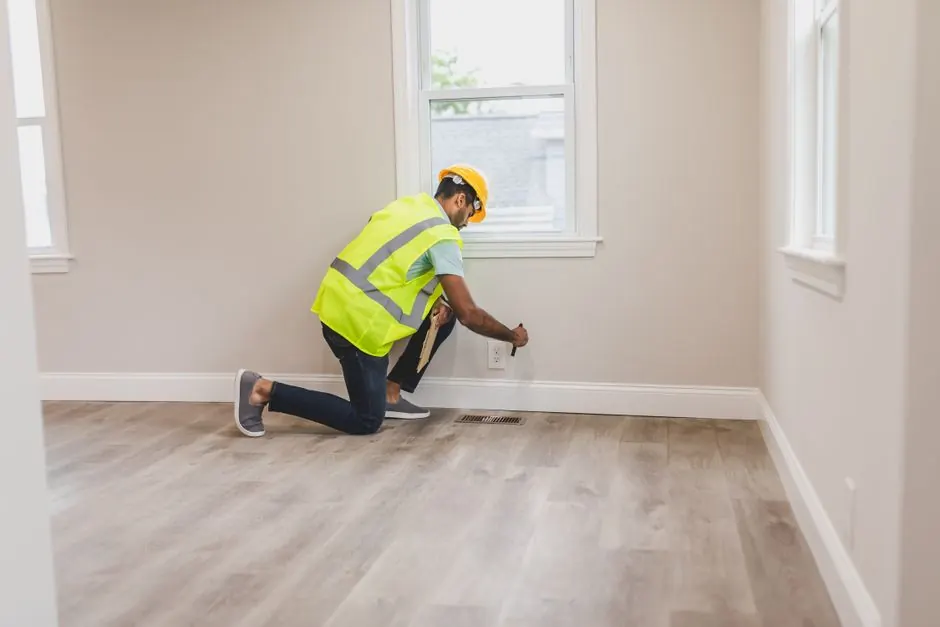
A home inspector in high visibility vest examines an electrical outlet in a modern room.
Licensed Licensed & Bonded
Fully Insured Insured & Bonded
24/7 Emergency Same-Day Response
Warranty Backed Workmanship Guaranteed

What Mold Inspection Covers

Mold Inspection and Assessment includes a visual review of reported areas, moisture checks on relevant materials, evaluation of likely water sources, and a plain-language review of findings. We note accessible areas inspected and conditions that need follow-up. Laboratory sampling is an additional step only when it addresses a specific question; the inspection itself focuses on building conditions and moisture pathways, not a species identification based on appearance.

Visual Area Review

We inspect the rooms and adjacent areas connected to your concern, looking for staining, visible growth, water damage, and material changes. When relevant and accessible, we also check attics, crawl spaces, or HVAC components. We record what we can see and explain any area that remains concealed.

Moisture Measurements

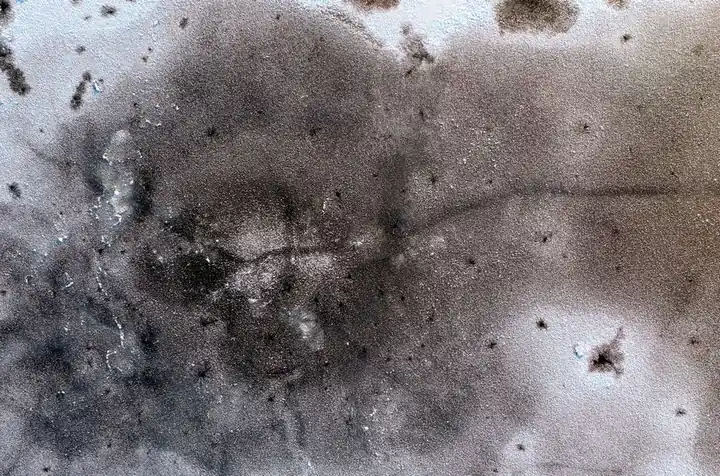
We take readings on suspect materials and compare them with nearby surfaces where practical. Humidity measurements help explain condensation risk, while thermal imaging can identify temperature patterns for further checking. We interpret each reading in context rather than treating one number as proof of mold.

Source Investigation

We trace likely moisture pathways, including plumbing leaks, roof entry, condensation, and damp crawl spaces. The inspection connects the location of a stain or odor with nearby building features. Finding the source is essential because surface cleanup alone will not prevent recurring mold after cleanup.

Findings and Priorities

We review observed conditions and practical next actions with you before the visit ends. You learn which moisture source needs attention, whether further evaluation is useful, and what materials may require drying or cleanup. If sampling is recommended, we explain the reason and what the result can clarify.

Mold Inspection and Assessment in South Carolina


Mold Inspection and Assessment in South Carolina is a property evaluation that identifies visible mold, moisture conditions, and likely sources before cleanup or repair decisions are made. We inspect affected rooms and adjoining areas, check building materials with a moisture meter, and use a thermal imaging camera where temperature patterns warrant a closer look. An assessment is not automatically an air test: the inspection findings guide whether sampling is useful. You receive a documented explanation of observed conditions, likely moisture pathways, and the next practical steps.

South Carolina's humid summers, wind-driven rain, and damp crawl spaces can keep building materials wet long after a leak looks repaired. Coastal homes around Beaufort and Port Royal face salt-air exposure and storm moisture, while inland properties may have attic mold from roof leaks or condensation on HVAC components. Our mold assessment services in South Carolina investigate those conditions at the source. If you need an indoor mold inspection and assessment in South Carolina after a plumbing leak, we check affected surfaces and adjacent cavities rather than treating the stain as the whole problem.

What to Expect During Inspection

Our South Carolina mold inspection and assessment process moves from your concerns to documented findings, with each step focused on the building and its moisture history. A typical residential visit takes about 2 to 4 hours; larger or more complex properties need more time. We explain what we are checking as we go, then review the findings with you before leaving.

01

Schedule

Call or book online — a real human picks up and confirms a 2-hour arrival window.

02

Diagnose

Licensed tech inspects on-site, then walks you through the cause and your options.

03

Fix

The job is completed to code and done right the first time — no shortcuts, no surprises.

04

Guarantee

Every job backed by a written workmanship warranty — and we stand behind it.

Tools and Inspection Methods

Tools & Equipment

Moisture meter

Measures moisture in suspect building materials and supports comparisons with nearby areas. We use the readings to guide investigation, not as a stand-alone mold test.

Thermal imaging camera

Shows surface temperature patterns that can point to hidden moisture or insulation differences. We confirm suspicious areas with direct inspection or moisture measurements.

Hygrometer

Records indoor relative humidity and helps explain condensation risk. We interpret the reading alongside temperature, ventilation, and the materials showing visible changes.

Borescope

Provides a view into a limited concealed cavity through a small access opening when appropriate. It helps inspect otherwise hidden areas without assuming a wall must be opened.

Air sampling pump

Collects a measured air sample when laboratory analysis can answer a defined question. Sampling supports, but never replaces, a visual and moisture-focused assessment.

Methods & Standards

Moisture-source tracing

We begin at the visible sign and follow likely pathways toward plumbing, roofing, windows, crawl spaces, or HVAC components. Readings are compared with nearby materials, and we note where access limits certainty. This method directs attention to the water source before cleanup decisions are made.

ANSI/IICRC S520-informed planning

When inspection findings lead to remediation planning, we use the ANSI/IICRC S520 Standard for Professional Mold Remediation as a practice reference. We consider affected materials, containment needs, and source correction. The standard informs work planning; it does not replace site-specific judgment or establish that every stained surface contains mold.

Targeted sampling

We use air or surface sampling only when results can resolve a defined question, such as comparing an indoor location with a reference sample. The sampling location and conditions matter, and a laboratory result must be interpreted with the inspection. It cannot identify a leak or determine the full extent of concealed damage on its own.

Building-condition review

We consider ventilation, occupancy, material type, weather exposure, and the property's water history alongside visible conditions. This prevents a single humidity or temperature reading from being treated as a diagnosis. The outcome is a practical summary of what was observed, what likely caused it, and what should happen next.

When to Schedule an Assessment

01

A pipe leaked behind a cabinet, and the floor still feels cool or damp several days after the repair.

What we do: We inspect the cabinet base, nearby wall, and accessible adjoining areas, then compare moisture readings across affected and unaffected materials. If you need mold inspection after water damage in South Carolina, we connect the readings to the leak history and explain whether additional drying or sampling is warranted.

→ You learn whether damp materials remain and which repair or drying step should happen next, before the cabinet conceals a continuing problem.

02

A musty smell appears after heavy rain in a home with a crawl space or low-level room.

What we do: We check accessible crawl space conditions, nearby flooring, and likely drainage or ground-moisture pathways. A hygrometer and moisture meter help show whether indoor humidity and building materials are contributing to the odor. We document areas that need attention and explain the cause in plain terms.

→ You get a focused plan to reduce moisture entry and determine whether cleanup is needed, rather than masking the odor with fragrance.

03

A business tenant reports staining and odor in a shared room or mechanical area.

What we do: We inspect the reported space and related building systems, considering occupancy, access, and nearby HVAC equipment. Our commercial building mold inspection services South Carolina approach documents affected locations and moisture evidence so building managers can coordinate repairs and decide if testing will answer a specific concern.

→ The property team receives findings that help prioritize repair and cleanup while limiting unnecessary interruption to occupied areas.

04

You are preparing to buy or occupy a property with a history of leaks or repeated cleanup.

What we do: We review the reported water history, inspect accessible concern areas, and check for staining, odor, and elevated moisture. You can use the findings to clarify whether a past condition appears dry, whether an active source remains, or whether a targeted follow-up is sensible.

→ You have a clearer record of observed conditions and can plan repairs or further evaluation around evidence rather than assumptions.

How Inspections Work Across South Carolina

Mold Inspection and Assessment in South Carolina must account for humid coastal air, intense summer rain, and inland temperature swings that affect condensation and drying. In October, roof leaks and storm-related water intrusion deserve prompt attention before cooler nights increase condensation on windows and HVAC components. Coastal properties around Beaufort and Isle of Palms may face wind-driven rain and salt-air exposure; homes around Columbia and Forest Acres often present crawl space moisture, plumbing leaks, or attic ventilation concerns. Building age and materials vary, so we adjust the inspection to the property rather than use a fixed checklist. Our professional mold inspection South Carolina process checks accessible areas, documents moisture readings, and considers the reported water history. If you need commercial building mold inspection services South Carolina, we also account for shared mechanical spaces and occupied rooms. We follow applicable safety practices, use appropriate personal protective equipment, and align remediation recommendations with EPA mold guidance and ANSI/IICRC S520. We do not claim a single statewide building code dictates every mold inspection; local requirements and project conditions can vary.

Neighborhoods We Serve

  • Forest Acres

    We check reported ceiling stains, window condensation, and plumbing-adjacent walls, then compare suspect surfaces with nearby materials to distinguish active moisture from old discoloration.

  • Port Royal

    Wind-driven rain and humid coastal air can complicate drying. We look at exposed openings, crawl spaces, and indoor humidity when an odor follows a storm.

  • Carolina Forest

    Homes with HVAC systems running through long humid periods can develop condensation concerns. We inspect accessible components and surrounding surfaces when spotting appears near a vent.

  • Georgetown

    For homes reporting damp lower levels or musty odors, we assess accessible crawl spaces and ground-level materials for moisture patterns and likely water pathways.

Local Conditions We Plan For

  • Warm humid air meets cool surfaces during long cooling seasons.

    Condensation can form around supply vents, windows, and other cooled surfaces. We compare humidity and material readings, then check ventilation and HVAC conditions before attributing growth to a leak.

  • Heavy rain pushes water toward roofs, openings, and crawl spaces.

    A brief storm can leave hidden materials damp after visible water disappears. We trace staining and moisture readings to likely entry points, especially in attics and low-level spaces, and recommend source correction before cleanup.

  • Coastal exposure brings persistent humidity and wind-driven rain.

    Properties near the coast need attention to exterior openings, indoor humidity, and drying time. We inspect the affected building materials and nearby areas so an isolated mark is not mistaken for the full extent.

Ceiling Leak and Attic Moisture

Before

A homeowner noticed a brown ceiling mark after rain and repainted it twice. The visible stain stayed small, but a musty odor continued above the hallway. The attic had not been checked since the roof repair, leaving uncertainty about whether the leak was active or the materials had dried.

After

We inspected the attic and ceiling area, compared moisture readings at the stain and nearby drywall, and documented damp insulation near the roof penetration. The findings pointed to a repair that needed verification and follow-up drying. The homeowner had a defined area to address instead of repainting another ceiling patch.

Maintenance: After roof work, check the attic and ceiling below during the next heavy rain. Keep insulation clear of ventilation paths and investigate any new staining promptly.

Before

A family in a humid area smelled dampness in a bedroom but saw no obvious leak. The odor strengthened after rainy weather. Insulation and floor framing were difficult to judge from the living space, so repeated air fresheners did nothing to resolve the source.

After

We inspected accessible crawl space areas, recorded elevated moisture on selected framing compared with a drier reference area, and found conditions consistent with ground moisture. The review identified drainage and vapor control as priorities. The family could plan moisture correction before considering any broader cleanup.

Maintenance: Keep gutters and downspouts directing water away from the foundation, and check the crawl space after prolonged rain. Reassess humidity and framing if the odor returns.

Before

Dark spotting appeared on a wall near a supply vent during the humid season. The occupant worried that mold was moving through the whole home, but no one had checked whether the surface was repeatedly getting wet from condensation.

After

We inspected the wall and accessible HVAC area, measured local humidity, and compared the vent-side surface with the adjacent wall. Findings supported a localized condensation concern rather than evidence of a widespread condition. The customer received a focused follow-up plan for HVAC and moisture control.

Maintenance: Keep supply vents unobstructed and monitor the wall after HVAC adjustments. If spotting returns or the surface remains damp, arrange a prompt reassessment rather than painting over it.

Solve Moisture Problems Before Mold Returns

A stain or odor is a clue, not a complete diagnosis. We connect visible conditions with moisture readings and building history so you can address the source before damage spreads. Our inspection helps distinguish an old dry mark from an active problem and sets a sensible order for repairs, drying, and cleanup.

Problem

A musty odor returns even after the room has been cleaned.

If moisture remains inside drywall, insulation, or flooring, surface cleaning can hide the sign without stopping deterioration or recurring mold after cleanup.

Our Fix

We inspect the odorous room and adjoining areas, check moisture in suspect materials, and look for plumbing, exterior, or HVAC sources. We explain what readings show and identify the next action, such as leak repair, drying, or targeted sampling. You get a reasoned path forward instead of repeated deodorizing.

Problem

A roof leak leaves attic staining after the rain has stopped.

Wet roof decking and insulation can remain damp, particularly where ventilation is limited, allowing attic mold from roof leaks to continue beyond the original storm.

Our Fix

We examine accessible attic surfaces, trace staining toward likely entry points, and compare suspect materials with dry areas. Findings help you separate a repaired leak from an active one and determine whether drying, insulation work, or remediation should follow.

Problem

Crawl space humidity leaves joists and insulation feeling damp.

Persistent crawl space moisture can affect wood, insulation, and indoor air conditions, while concealed growth may go unnoticed until odors reach living areas.

Our Fix

We inspect accessible framing and insulation, assess ground and drainage conditions, and take moisture readings. We identify whether the concern points to water entry, high humidity, or a missing barrier, then explain practical corrections such as drainage work or a crawl space vapor barrier.

Problem

A dark patch appears near a vent or window during humid weather.

Condensation on HVAC components or cool surfaces can repeatedly wet paint and nearby materials, causing damage even when there is no obvious plumbing leak.

Our Fix

We check the surrounding surfaces, humidity, and accessible HVAC conditions to distinguish condensation from water intrusion. Our findings identify which condition needs correction and whether affected porous materials require further attention. Appearance alone is not used to name a mold species.

Clear Findings, Practical Next Steps

Clear Findings, Practical Next Steps

Mold inspection gives you a useful answer to three questions: where moisture is entering, what materials are affected, and what needs attention first. We explain the evidence in plain language, so you can make decisions about repairs, sampling, or remediation without guessing from a musty smell or a single dark spot.

  • Trace Moisture Sources

    We look beyond the visible patch to locate active or recurring moisture, including plumbing leaks, roof entry, crawl space moisture, and condensation. A hygrometer helps establish indoor humidity, while surface readings help distinguish a dry stain from damp material. That evidence points you toward the repair that addresses the cause instead of another round of cosmetic cleaning.

  • Prioritize Affected Areas

    Your report separates observed growth from conditions that need monitoring or further investigation. We note rooms, material types, moisture readings, and access limitations, giving you a grounded plan instead of a vague warning. For a residential mold assessor South Carolina property owners can call after a leak, the goal is to identify the extent before porous materials are disturbed.

  • Choose Testing Wisely

    Sampling has a purpose when results will help answer a specific question, such as comparing indoor and outdoor airborne spores or checking a concealed area. We explain that distinction before recommending it. A visual inspection and moisture investigation often supply the first useful answers, avoiding unnecessary tests that do not change the repair or cleanup plan.

  • Document Conditions Clearly

    We record visual observations and relevant readings so you can discuss repairs with a contractor, property manager, or insurer. Photographs and room-by-room notes make it easier to track changes after a roof repair or drying work. If black mold growth is suspected, we describe what is observed without identifying mold species by appearance alone.

Training and Standards

Licensed & Certified

  • IICRC Applied Microbial Remediation Technician — issued by Institute of Inspection, Cleaning and Restoration Certification
  • IICRC Water Damage Restoration Technician — issued by Institute of Inspection, Cleaning and Restoration Certification
  • ACAC Council-certified Indoor Environmentalist — issued by American Council for Accredited Certification
  • EPA Renovation, Repair and Painting certification — issued by U.S. Environmental Protection Agency

Verified Reviews

Customer feedback Not stated

A homeowner described an attic inspection after a roof leak and said the technician used moisture readings to explain why the ceiling stain kept returning. The customer appreciated receiving a specific repair priority instead of a recommendation to repaint or test every room.

Customer feedback Not stated

A property owner reported that a musty smell near a vent was investigated without jumping to conclusions about mold species. The inspection checked humidity and nearby surfaces, then outlined how to follow up on the condensation concern.

Customer feedback Not stated

A resident with a damp crawl space said the assessment helped connect an indoor odor with ground moisture below the home. The findings gave the family a clear order for drainage correction, moisture control, and any later cleanup.

Field Knowledge and Training

Our technicians approach a mold concern as a building-moisture problem first: where water entered, how long materials stayed wet, and what could keep the condition active. We follow established practices including the ANSI/IICRC S520 Standard for Professional Mold Remediation when inspection findings connect to remediation planning. Training such as IICRC Applied Microbial Remediation Technician and IICRC Water Damage Restoration Technician supports practical understanding of contaminated materials and drying. We explain what the inspection confirms, what remains uncertain, and what action will reduce the chance of recurring mold after cleanup.

  • Moisture mapping distinguishes a damp building material from an old, dry stain and helps focus follow-up repairs.
  • Technicians assess roof leaks, plumbing events, crawl space moisture, and HVAC condensation as different moisture pathways.
  • IICRC Applied Microbial Remediation Technician training informs safe assessment and remediation planning practices.
  • We use ANSI/IICRC S520 principles to connect documented conditions with appropriate remediation recommendations.
  • Findings are explained in accessible terms, with limits clearly identified when concealed materials cannot be inspected.
Get Started Today
Field Knowledge and Training

Cities We Serve Across South Carolina

Our inspection coverage reaches coastal communities, the Midlands, and Upstate towns across South Carolina. We bring the same moisture-focused process to homes and commercial properties, adjusting the areas checked to the building and reported problem. Our mold assessment services in South Carolina help residents identify a likely source, document affected materials, and understand what action should come next. Choose your city below to find locally relevant service information.

Columbia

In Columbia, we investigate ceiling stains, plumbing leaks, attic moisture, and crawl space conditions with targeted readings and clear room-by-room findings.

Beaufort

For Beaufort properties, we consider humid coastal air and wind-driven rain while checking openings, lower levels, and materials affected after storms.

Carolina Forest

In Carolina Forest, we inspect vent-side spotting, condensation, and water history, then compare suspect surfaces with nearby dry materials.

St. Andrews

We assess reported odors and stains in St. Andrews homes by tracing moisture toward plumbing, exterior openings, or accessible attic and crawl space areas.

Port Royal

Port Royal inspections account for coastal humidity and storm exposure, with attention to damp crawl spaces, window areas, and recurring musty odors.

Oak Grove

In Oak Grove, we check the source behind recurring bathroom, kitchen, or ceiling moisture and explain whether drying or further evaluation is needed.

Forest Acres

Forest Acres property inspections cover reported wall staining, roof leaks, and HVAC condensation, with readings used to distinguish active dampness from old marks.

Georgetown

We inspect Georgetown properties for damp lower-level materials, attic leaks, and crawl space moisture, documenting the likely pathway and practical next step.

Hartsville

Hartsville inspections focus on water history, suspect drywall or flooring, and the moisture readings that show whether a concern remains active.

Marion

In Marion, we assess persistent odors and water stains by checking affected rooms and accessible adjacent spaces for moisture sources.

Belvedere

Belvedere homeowners can have us evaluate staining after plumbing or roof leaks and identify areas that need drying, repair, or targeted sampling.

Isle of Palms

On Isle of Palms, we consider humid air and wind-driven rain when inspecting exterior openings, attic areas, and materials affected by storm moisture.

India Hook

India Hook assessments trace musty odors and visible spotting to likely moisture sources, using material comparisons to guide practical follow-up.

Lakewood

For Lakewood properties, we check reported dampness around bathrooms, windows, and lower levels, then explain what the readings indicate.

Inman

Inman inspections assess roof and plumbing leaks, indoor humidity, and affected materials so homeowners can prioritize source repair before cleanup.

Frequently Asked Questions

Real answers to the questions we hear most often from local homeowners and property managers.

How much does a mold inspection and assessment cost in South Carolina?
A residential inspection commonly costs $250 to $700 and takes about 2 to 4 hours; typical 2026 pricing varies with property size and access. A larger commercial building, extensive crawl space, or added laboratory sampling increases the total. We explain the price before the visit proceeds. Sampling is a separate decision from the visual and moisture assessment, and it is recommended only when it answers a useful question.
What happens during a professional mold inspection?
A professional mold inspection includes a building history, visual review, moisture measurements, and a discussion of findings, usually over 2 to 4 hours for a home. We inspect suspect rooms and related areas, use tools such as a moisture meter, and note water entry or humidity conditions. Sampling is added only when it can clarify a specific concern. You receive practical next steps tied to observed evidence.
When should I schedule a mold assessment?
Schedule an assessment within 24 to 48 hours after finding persistent dampness, recurring mold, a musty odor, or water damage that has not dried. Call sooner if a leak is active or water is reaching electrical equipment; stop the water source safely first. We check the affected area and nearby materials, then identify whether drying, repair, sampling, or cleanup should come next.
Is a mold assessment different from mold testing?
Yes: an assessment inspects the property and moisture conditions, while testing collects samples for laboratory analysis. A mold assessment company in South Carolina should first establish whether sampling will answer a defined question. We inspect visible growth, check damp materials, and explain whether air or surface sampling could guide a decision. A test alone does not locate a leak or explain why growth returned.

Related Mold Services

Mold Remediation

When the assessment confirms affected materials, remediation addresses the contamination and the moisture conditions that allowed it to develop. We use inspection findings to define the work area and help prevent cleanup from missing adjacent damp materials or an unresolved leak.

View Mold Remediation

Mold Testing and Sampling

Sampling adds laboratory information when a specific question remains after the inspection. We can collect air or surface samples when results help compare areas or assess a concealed concern, then explain how those results fit with moisture readings and visible conditions.

View Mold Testing and Sampling

Black Mold Removal

Dark staining cannot identify a mold species, so inspection comes first. We assess the material, moisture source, and affected area before recommending removal. If cleanup is warranted, the assessment helps define containment and protect nearby rooms from cross-contamination.

View Black Mold Removal

Residential Mold Removal

Home inspections often identify affected drywall, insulation, or other porous materials that need removal after moisture is corrected. Assessment findings show which rooms and materials require attention, helping keep the work focused rather than opening unaffected areas.

View Residential Mold Removal

Commercial Mold Remediation

Commercial buildings need a clear account of affected spaces, moisture pathways, and occupant-use considerations. Our inspection documents findings that help property teams plan remediation, coordinate access, and prioritize essential rooms while limiting unnecessary disruption.

View Commercial Mold Remediation

Attic Mold Remediation

Attic mold from roof leaks or ventilation problems can spread across roof decking and insulation. An assessment checks staining, moisture, and nearby roof conditions, helping separate a past leak from an active source before remediation is planned.

View Attic Mold Remediation

Schedule Mold Inspection and Assessment in South Carolina

If a stain keeps returning, a room smells musty, or water damage left materials damp, call +18038120162. Our team will discuss the concern, explain upfront pricing, and arrange an inspection focused on finding the moisture source and the right next step.

Call Our Team Schedule Inspection

Talk With Our Team

Call us at +18038120162 to discuss visible mold, water intrusion, or a musty smell in your home or business. We take calls around the clock for urgent water-related concerns and arrange service across South Carolina. Tell us what happened, which rooms are affected, and whether the leak is still active so we can help you plan the next step.

Or call us right now at +18038120162 — we answer.

South Carolina Mold Remediation


  • Phone

    +18038120162
  • Address

    South Carolina

  • Hours

    Mon–Fri: 7AM – 7PM
    Sat: 8AM – 4PM
    Sun: Emergency Only
    24/7 Emergency Available

Call +18038120162 Get Quote
Call Quote