
Logo
Get Estimate

Crawl Space Mold Remediation in South Carolina

Remove mold below your home and control the moisture


Crawl Space Mold Remediation in South Carolina helps homeowners dealing with musty odors, visible growth, damp insulation, or water beneath the house. We inspect the crawl space, isolate affected areas, remove contaminated material where needed, and address moisture conditions that drive recurring growth. If your home has a persistent odor or recent water intrusion, our team can explain the work and help you choose a practical next step.

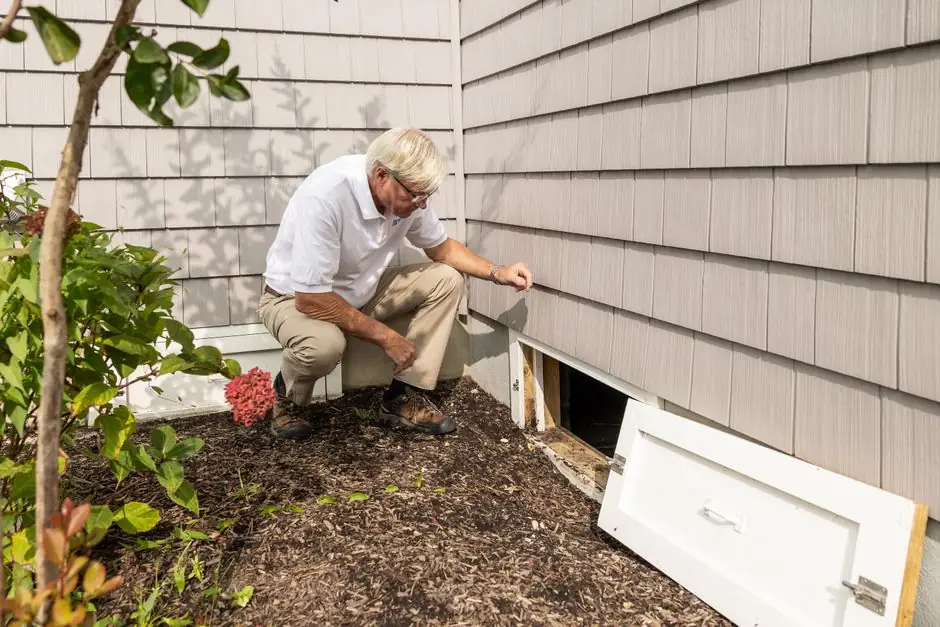
Senior adult inspecting a crawl space entrance during a home inspection on a sunny day.
Licensed Licensed & Bonded
Fully Insured Insured & Bonded
24/7 Emergency Same-Day Response
Warranty Backed Workmanship Guaranteed

What's Included in Crawl Space Cleanup

Crawl space remediation covers inspection, controlled cleanup of affected materials, and a review of moisture conditions. We explain the work tied to mold removal and identify related repairs such as plumbing, drainage, or vapor-barrier replacement when needed. Any additional construction or water-management work is discussed separately, so you can see how each step relates to the problem beneath your home.

Visual and Moisture Inspection

We inspect accessible framing, insulation, soil coverage, plumbing, and HVAC components, then record relevant moisture readings. The inspection helps locate visible growth and damp materials while identifying conditions that could support recurring mold after cleanup.
Containment and Air Filtration

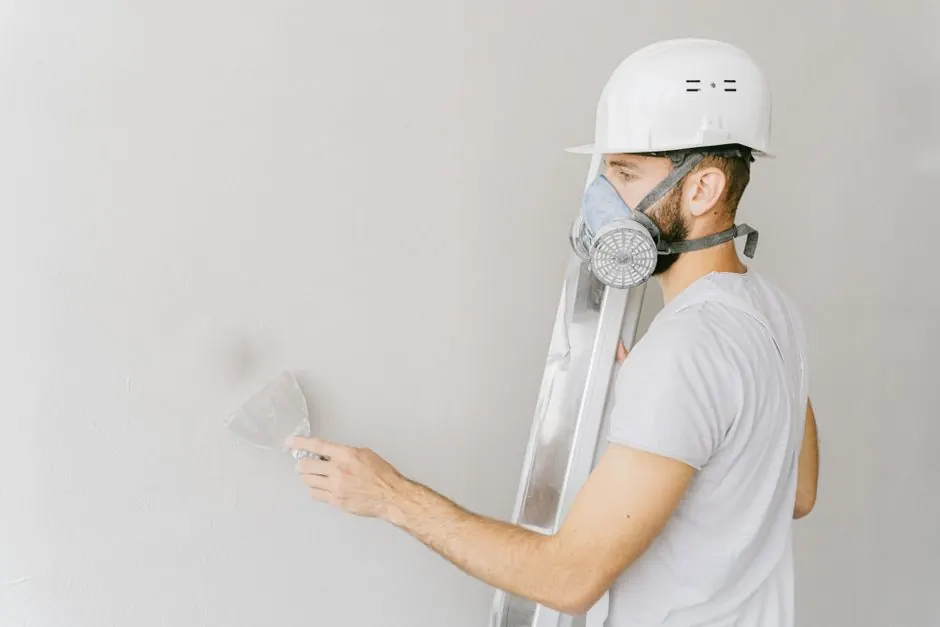
Where the job requires it, we isolate the work area with polyethylene containment sheeting and use HEPA filtration to control dust. Technicians wear protective equipment appropriate to the task and keep the cleanup process focused on the affected crawl space.

Material Cleaning or Removal

We HEPA-vacuum and clean salvageable surfaces using methods appropriate to the material. Wet or mold-contaminated porous materials that cannot be cleaned effectively, including damaged insulation, are removed and handled as controlled debris.

Moisture Findings Review

After cleanup, we review moisture readings and explain visible conditions that may need follow-up. This can include a plumbing leak, damaged crawl space vapor barrier, standing water, or condensation. You leave with specific monitoring guidance rather than a vague instruction to keep an eye on things.

Crawl Space Mold Remediation in South Carolina


Crawl Space Mold Remediation in South Carolina is a property-restoration service that removes mold growth from crawl-space surfaces and addresses moisture conditions that allow it to return. We begin by checking access, framing, insulation, floor joists, plumbing, and visible water pathways. A moisture meter and hygrometer help distinguish damp materials from dry surfaces, while a thermal imaging camera can help locate temperature differences associated with hidden moisture. The work may include containment, HEPA-filtered cleaning, removal of mold-contaminated porous materials, and correction of contributing moisture sources.

Warm, humid weather, heavy rain, plumbing leaks, and poorly managed ground moisture can leave crawl spaces damp for long periods. Homeowners often notice a musty smell indoors before they can see growth below the floor. Our South Carolina crawl space mold remediation process focuses on both the affected material and the conditions behind it. For crawl space mold removal and moisture control in South Carolina, we assess drainage, ventilation, insulation, and the condition of the crawl space vapor barrier so cleanup is not treated as a surface-only fix.

What to Expect During Service

Crawl space mold remediation in South Carolina follows a controlled sequence: inspect, contain, clean or remove affected material, then verify conditions. The size of the area, access height, water damage, and material condition determine the schedule. We explain each stage before work begins, so you know what is happening beneath your home.

01

Schedule

Call or book online — a real human picks up and confirms a 2-hour arrival window.

02

Diagnose

Licensed tech inspects on-site, then walks you through the cause and your options.

03

Fix

The job is completed to code and done right the first time — no shortcuts, no surprises.

04

Guarantee

Every job backed by a written workmanship warranty — and we stand behind it.

Tools and Cleanup Methods

Tools & Equipment

HEPA air scrubber

We use HEPA air filtration during controlled cleanup to capture airborne particles from the work zone. Placement and run time depend on containment, access, and the extent of material disturbance.

Moisture meter

A moisture meter checks affected wood and other suitable materials for dampness. We use readings alongside visual inspection to guide cleaning, drying, and follow-up decisions.

Thermal imaging camera

A thermal imaging camera helps identify temperature patterns that may point to concealed moisture. It does not confirm mold by itself, so we verify concerns with direct inspection and moisture measurements.

HEPA-filtered vacuum

We use a HEPA-filtered vacuum to capture fine debris from accessible surfaces during cleanup. It helps remove settled material without simply sweeping dust into the crawl space air.

Dri-Eaz dehumidifier

A Dri-Eaz dehumidifier can support drying where crawl-space conditions and the work plan call for active humidity control. We monitor conditions and do not treat equipment as a substitute for fixing a leak or water-entry source.

Methods & Standards

ANSI/IICRC S520 remediation approach

We use the ANSI/IICRC S520 Standard for Professional Mold Remediation as a framework for assessment, containment, removal, and cleaning. The work plan responds to the affected material and the extent of growth. This helps keep the process controlled and focused on source conditions, not just visible discoloration.

Source-focused moisture assessment

We check plumbing, ground coverage, condensation, and signs of water entry before choosing a cleanup method. Moisture readings and visible inspection help distinguish a dry stain from an active damp condition. When a separate repair is needed, we identify it so the source is not confused with remediation.

Contained HEPA cleaning

We isolate the work area as needed, use HEPA filtration during disturbance, and clean salvageable surfaces with methods suited to the substrate. Porous materials that cannot be cleaned effectively are removed. At completion, we review the area and discuss readings and moisture-control priorities with you.

When to Call for Crawl Space Help

01

You notice a musty smell indoors that becomes stronger near floor registers or after rainy weather.

What we do: We inspect the crawl space for damp insulation, visible growth, water entry, and gaps that connect the space to living areas. If the source is below the floor, we contain the affected area, clean or remove impacted materials, and explain the moisture conditions that need correction.

→ You get a clearer source assessment, controlled cleanup, and specific guidance on moisture checks after rain or plumbing work.

02

A pipe leak or appliance discharge has left standing water beneath your home.

What we do: We assess how far water traveled, identify wet insulation and framing, and determine which porous materials can be cleaned or must be removed. Once the affected area is controlled, we address visible mold and review the source of water so the same leak does not continue feeding the problem.

→ The wet materials are handled in a controlled way, and you understand what repair or drying work remains.

03

A home inspection finds dark marks on joists or damaged ground coverage before a sale.

What we do: We inspect the reported area, take moisture readings, and document visible conditions that need remediation. Our crew can clean affected framing, remove unsalvageable material, and identify whether a failed vapor barrier or separate water issue is contributing to the findings.

→ You receive a focused plan for the crawl space and a clear summary of the remediation work completed.

04

Your crawl space has recurring dampness despite previous cleaning or odor treatment.

What we do: We look beyond the treated surface for leaks, exposed soil, condensation, standing water, and airflow concerns. Cleaning is matched to the material, and moisture-control recommendations are based on what we find. This helps avoid repeating a cosmetic treatment while the underlying damp condition remains.

→ You can address the cause alongside cleanup and monitor measurable conditions rather than relying on odor alone.

How South Carolina Crawl Spaces Differ

South Carolina crawl spaces face varied moisture conditions, from humid coastal air and wind-driven rain to inland storm runoff and seasonal temperature swings. In lower coastal areas, homes may have persistent ground moisture or water entry after heavy rain. Inland properties can still develop damp framing from plumbing leaks, condensation, or exposed soil. Our team assesses the specific house rather than applying one statewide fix. South Carolina crawl space mold remediation starts with access, building materials, moisture readings, and the path water took into the space. Older homes may have low clearance, aging insulation, or an incomplete crawl space vapor barrier; newer construction can still have drainage or HVAC condensation concerns. For residential crawl space mold treatment in South Carolina, we adapt containment and cleanup to the space and explain when a plumbing, drainage, or building repair is also needed. We follow applicable safety practices and the ANSI/IICRC S520 framework; local code requirements for related repairs should be confirmed with the appropriate trade or authority having jurisdiction.

Neighborhoods We Serve

  • North Charleston

    Low-clearance spaces and storm-related water entry can complicate access. We plan inspection and containment around the crawl-space layout and affected materials.

  • Aiken

    Inland properties still face damp soil, plumbing leaks, and condensation. We check moisture conditions and ground coverage instead of assuming the issue is coastal humidity.

  • Socastee

    Heavy rain and humid conditions can leave crawl spaces damp. We look for water pathways, wet insulation, and damaged vapor-barrier coverage.

  • Seneca

    Terrain and drainage around a home can affect how water reaches the crawl space. We inspect visible entry points and assess framing and insulation for dampness.

Local Conditions We Plan For

  • Humid air and long periods of wet ground near coastal homes

    Persistent ground moisture can raise crawl-space humidity and keep framing or insulation damp. We inspect the vapor barrier, water entry, and condensation before selecting cleanup and moisture-control steps.

  • Storm runoff collecting around foundations and crawl-space access points

    Water can enter through low areas, damaged access covers, or gaps in the foundation. We identify visible pathways and affected materials, then explain which drainage or building repairs are needed alongside remediation.

  • Condensation on HVAC components during humid weather

    Condensation can wet nearby insulation and wood without a major plumbing leak. We inspect the affected area and use moisture readings to distinguish recurring condensation from another source of water.

Musty Odor Beneath the Hallway

Before

A homeowner noticed a persistent odor near a hallway vent, especially after rain. The crawl space had damp insulation, dark marks on several joists, and a torn section of ground coverage. The visible discoloration alone did not show whether the framing was still wet or whether the odor came from one or several affected areas.

After

The crew contained the work area, removed the damaged insulation, and cleaned accessible framing with HEPA filtration. Follow-up readings showed the cleaned wood was drier than at the initial inspection. The torn ground covering was identified for correction, and the homeowner received clear monitoring steps for the next rainy period.

Maintenance: Check the crawl space after heavy rain and repair any damaged ground coverage promptly. If the odor returns or a new leak appears, have the area assessed before damp materials remain in place.

Before

A plumbing leak had wet a section of crawl space beneath a bathroom. Insulation sagged, water had collected on the ground, and growth was visible along nearby framing. The homeowner needed to know which materials could be cleaned and whether the leak had affected areas beyond the visible patch.

After

The leak source was identified for repair, wet insulation was removed, and the affected framing was cleaned under containment. The crew used moisture readings to check the work area and reviewed the remaining water-management needs. The homeowner could see which material had been removed and which surfaces were retained.

Maintenance: After the plumbing repair, check for new drips and confirm the area remains dry. Review the crawl space after repairs and keep access clear so future inspections can reach the plumbing and framing.

Before

After a storm, the homeowner found standing water beneath the house and a musty smell in two rooms. Several insulation sections were wet, and water had reached a low area near the crawl-space entrance. The home needed cleanup and a review of how runoff was entering.

After

The team removed affected porous material, controlled airborne debris during cleaning, and documented moisture conditions in the accessible work area. The inspection identified the low entry point and damaged ground coverage. The homeowner received a practical list of water-management concerns to address so the same conditions would not remain unexamined.

Maintenance: Keep gutters and downspouts clear, check the low area after storms, and look for standing water or new odor. Schedule prompt inspection if water returns or insulation becomes damp again.

Solve Crawl Space Moisture Problems

Crawl space mold cleanup in South Carolina works best when we address both the visible growth and the moisture that supports it. We inspect the conditions below your home, identify affected materials, and explain the practical steps needed to reduce repeat problems.

Problem

Musty odors rising through floor gaps into occupied rooms

A persistent odor can spread through openings around pipes and ducts, making living areas uncomfortable and signaling damp materials below the floor.

Our Fix

We inspect the crawl space for visible growth, damp insulation, standing water, and airflow pathways. Containment and HEPA filtration help control particles during cleanup, while moisture readings guide the work. We also explain whether a leak, damaged ground coverage, or condensation needs correction to address the source of the odor.

Problem

Mold growth returning on joists after a surface-only cleaning

Recurring mold after cleanup often points to unresolved moisture, untreated adjacent materials, or cleaning that did not match the surface and extent of contamination.

Our Fix

We check affected framing and nearby materials, measure moisture, and identify the conditions that remain damp. Our team cleans salvageable surfaces and removes porous material that cannot be effectively restored. We then review moisture-control steps, such as repairing a leak or improving ground coverage, to help prevent the same cycle.

Problem

Wet insulation and pooled water after a storm or plumbing leak

Water left beneath the house can keep insulation and framing damp, increase indoor humidity, and create conditions for mold growth over time.

Our Fix

We locate visible water entry, assess the affected materials, and remove damaged porous insulation when cleaning is not suitable. Crawl space mold remediation after flooding in South Carolina also includes controlled handling of contaminated debris and a review of moisture readings. We explain which drainage or plumbing repairs are needed to keep water from returning.

Problem

Condensation forming on ducts and cold plumbing lines

Repeated condensation wets nearby insulation and framing, allowing mold growth to develop even when no major leak or flood has occurred.

Our Fix

We inspect the affected components and surrounding materials, then distinguish condensation from active leakage using visual checks and moisture readings. Cleanup addresses impacted surfaces and porous materials. We explain ventilation, insulation, or humidity-control concerns that should be corrected by the appropriate trade so the area can dry and stay drier.

Cleaner, Drier Crawl Spaces

Cleaner, Drier Crawl Spaces

A thorough cleanup targets the affected area while reducing the conditions that support growth. We focus on practical results you can verify: cleaner framing, removed contaminated debris, documented moisture readings, and a plan to keep water from collecting beneath your home.

  • Remove Visible Growth

    We clean accessible, salvageable framing with an appropriate antimicrobial cleaning solution and remove porous materials that cannot be effectively cleaned. A HEPA-filtered vacuum captures fine debris rather than redistributing it. The goal is a cleaner crawl space, not a cosmetic cover-up that leaves contaminated material or loose dust behind.

  • Address Moisture Sources

    Mold returns when damp conditions remain. We look for plumbing leaks, standing water, wet soil, condensation on HVAC components, and gaps in ground coverage. Your technician records moisture readings and explains which moisture-control steps are needed to lower the chance of recurring mold after cleanup.

  • Protect Indoor Air Pathways

    Air can move between a crawl space and living areas through gaps around pipes, ducts, and floor penetrations. We use containment and HEPA air filtration during cleanup to limit dust movement. If you have a musty odor upstairs, we inspect likely pathways rather than assuming the visible patch is the only concern.

  • Clarify Next Steps

    After the work, you receive a clear explanation of what was cleaned, what materials were removed, and which moisture issues need attention. We can identify concerns such as wet insulation or a damaged vapor barrier and outline practical follow-up steps, including monitoring humidity and checking for leaks after storms.

Standards and Work Practices

Licensed & Certified

  • IICRC Applied Microbial Remediation Technician — issued by Institute of Inspection, Cleaning and Restoration Certification
  • IICRC Water Damage Restoration Technician — issued by Institute of Inspection, Cleaning and Restoration Certification
  • ACAC Council-certified Indoor Environmentalist — issued by American Council for Accredited Certification
  • OSHA respiratory protection requirements — issued by Occupational Safety and Health Administration

Verified Reviews

Google ★★★★★4.9

The technician explained why the insulation had to come out and showed us where the crawl space was still damp. The crew contained the area, cleaned the framing, and reviewed the moisture readings before leaving. We knew what had been completed and what needed attention after the plumbing repair.

Google ★★★★★5.0

We called after finding standing water and a strong odor under the house. The team identified damaged ground coverage and wet insulation, then handled the cleanup in a controlled way. Their explanation of the next steps was specific to our crawl space, not a generic recommendation.

Yelp ★★★★★4.8

Our inspection found growth on several joists, but we did not know whether it was active. The crew checked moisture, cleaned the affected framing, and told us what to monitor after rain. The work area was left orderly, and the process was explained clearly.

Field Knowledge and Training

Crawl space conditions vary across South Carolina, so our approach starts with the building and the source of moisture rather than a one-size-fits-all treatment. Our technicians use established remediation practices, protective equipment, and measured inspection methods to make decisions about cleaning and material removal. We follow the ANSI/IICRC S520 Standard for Professional Mold Remediation as a technical framework and apply EPA mold guidance when explaining safe cleanup practices. We do not claim a founding year or years-in-business figure; we focus on clear findings, sound work methods, and a useful handoff to you.

  • Assessment uses moisture readings and visual inspection to distinguish active dampness from old staining before cleanup begins.
  • Technicians apply personal protective equipment and containment practices suited to the work area and material condition.
  • The ANSI/IICRC S520 Standard for Professional Mold Remediation informs safe, controlled cleanup methods.
  • We assess insulation, framing, soil coverage, plumbing, and HVAC components as connected parts of crawl-space moisture conditions.
  • After service, we explain readings, removed materials, moisture concerns, and practical monitoring steps in direct language.
Get Started Today
Field Knowledge and Training

Cities We Serve Across South Carolina

Our statewide team provides crawl space mold remediation across coastal, inland, and upstate communities. We adapt the inspection to local drainage, building access, and moisture conditions rather than relying on one cleanup plan for every property. From North Charleston and Socastee to Aiken, Seneca, and Bennettsville, we assess affected materials, control the work area, and explain the moisture findings. Crawl space mold removal services in South Carolina are available for homeowners facing odors, visible growth, leaks, or storm-related water entry.

North Charleston

We inspect for storm water entry, damp insulation, and low-clearance access challenges, then tailor containment and cleanup to the affected crawl-space layout.

Aiken

Our team checks framing, plumbing, and ground coverage for moisture, then removes or cleans affected materials according to their condition.

Socastee

For homes with musty odors after wet weather, we look for standing water, condensation, and damaged vapor barriers before planning cleanup.

Ladson

We assess visible growth and moisture pathways beneath Ladson homes, using controlled cleaning and material removal suited to the space.

Orangeburg

Our inspection checks for plumbing leaks, damp insulation, and exposed soil, then outlines cleanup and moisture-control steps for the property.

Red Bank

We evaluate crawl-space humidity, water entry, and affected framing, then use containment and HEPA filtration where the work requires it.

Seneca

Drainage around a home can influence crawl-space dampness. We inspect accessible entry points and measure affected materials before selecting remediation methods.

Bennettsville

We respond to musty odors, visible growth, or leak damage with an inspection of insulation, framing, and ground coverage beneath the home.

Homeland Park

Our team checks for recurring dampness and contamination, then cleans salvageable surfaces and identifies materials that require removal.

Piedmont

We assess crawl-space moisture and water pathways, documenting affected areas so the cleanup and any needed moisture correction are clear.

Woodruff

For wet insulation or growth on joists, we inspect the extent, contain the work area, and explain practical steps to reduce repeat moisture.

Walhalla

We inspect crawl spaces for damp framing, condensation, and water entry, adapting cleanup to access and material condition.

Whitney

Our technicians assess visible mold and underlying dampness, then use measured findings to guide cleaning, removal, and follow-up recommendations.

Winnsboro

We check for plumbing leaks, storm-related water, and damaged ground coverage before cleaning affected surfaces or removing unsalvageable materials.

Saluda

We provide crawl-space inspection and controlled cleanup for properties with musty odors, visible growth, damp insulation, or water intrusion.

Crawl Space Mold Questions

Real answers to the questions we hear most often from local homeowners and property managers.

How much does crawl space mold remediation cost in South Carolina?
In 2026, crawl space mold remediation commonly ranges from about $1,500 to $6,000 for contained residential work, with extensive damage costing more. Price depends on the affected square footage, crawl-space access, contaminated insulation, standing water, and containment needs. Your inspection should identify the work area and moisture issues that influence cost. We provide upfront pricing before work begins, so you can understand the planned cleanup and related moisture-control steps.
What causes mold in a crawl space?
Mold grows when moisture remains on suitable materials, often because of leaks, wet soil, condensation, or poor ground coverage. In South Carolina, humid air and storm-driven water can add to those conditions. A hygrometer and moisture meter help us assess humidity and damp materials, but we also inspect plumbing, insulation, drainage, and the crawl space vapor barrier. Removing growth without addressing the moisture source increases the chance of recurrence.
Can crawl space mold affect the air inside my home?
Yes, crawl-space odors and airborne particles can move into living areas through gaps around plumbing, ducts, and floor penetrations. The degree of transfer depends on the house, airflow, and the condition of the crawl space. During cleanup, we use containment and HEPA filtration to limit particle movement. If you notice a persistent musty odor indoors, we inspect the crawl space and likely pathways instead of assuming the odor has a single cause.
Does a crawl space need a vapor barrier after mold cleanup?
A vapor barrier is often appropriate when exposed soil is adding moisture, but the right solution depends on drainage, existing coverage, and crawl-space conditions. We inspect seams, tears, and uncovered areas before recommending replacement or repair. A crawl space vapor barrier does not fix a plumbing leak or standing-water problem by itself. We explain whether ground coverage, a dehumidifier, or a separate water-management repair is needed alongside cleanup.

Related Home Services

Mold Remediation

When growth extends from the crawl space into another part of your home, broader remediation can address connected affected areas. We inspect the extent, contain the work zone, and clean or remove impacted materials using methods suited to each surface.

View Mold Remediation

Mold Inspection and Assessment

An inspection helps identify visible growth, damp materials, and likely moisture pathways beneath your home. We document conditions and readings so you can decide whether cleanup, moisture correction, or further investigation is appropriate.

View Mold Inspection and Assessment

Mold Testing and Sampling

Sampling can help answer a specific question when visual inspection alone is not enough. We discuss the purpose and limits of testing before it is performed, then interpret results alongside the crawl-space condition and moisture findings.

View Mold Testing and Sampling

Black Mold Removal

Dark growth in a crawl space should be assessed by its location, extent, and the material beneath it, not color alone. We use containment and controlled removal methods to address affected areas and investigate the moisture supporting growth.

View Black Mold Removal

Residential Mold Removal

When crawl-space contamination affects insulation, flooring, or adjoining rooms, residential cleanup can cover the connected areas. We coordinate the assessment and remediation plan around how the affected materials relate to the space below.

View Residential Mold Removal

Commercial Mold Remediation

Commercial buildings with crawl spaces need attention to access, occupancy, and affected building materials. We assess the work area, control dust, and explain how remediation can be organized around the property's use.

View Commercial Mold Remediation

Get Crawl Space Mold Remediation Help

If your crawl space smells musty, has visible growth, or took on water, call our team at +18038120162. We use controlled cleanup methods and explain the moisture findings before work begins.

Call Today Call for Help

Talk With Our Team

Call us at +18038120162 to discuss visible mold, water intrusion, or a musty smell in your home or business. We take calls around the clock for urgent water-related concerns and arrange service across South Carolina. Tell us what happened, which rooms are affected, and whether the leak is still active so we can help you plan the next step.

Or call us right now at +18038120162 — we answer.

South Carolina Mold Remediation


  • Phone

    +18038120162
  • Address

    South Carolina

  • Hours

    Mon–Fri: 7AM – 7PM
    Sat: 8AM – 4PM
    Sun: Emergency Only
    24/7 Emergency Available

Call +18038120162 Get Quote
Call Quote