



Residential Mold Remediation in Greenville Homes
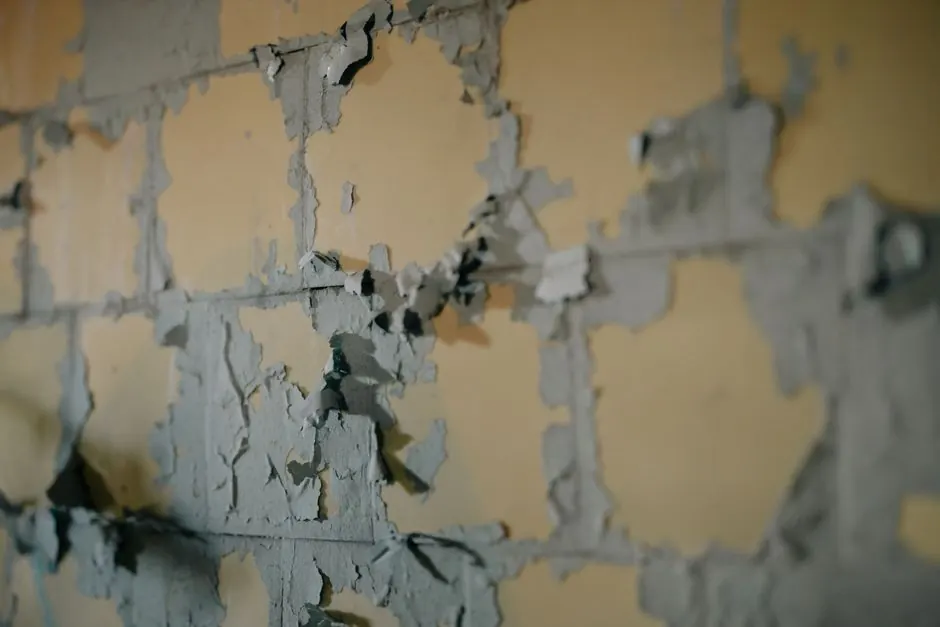
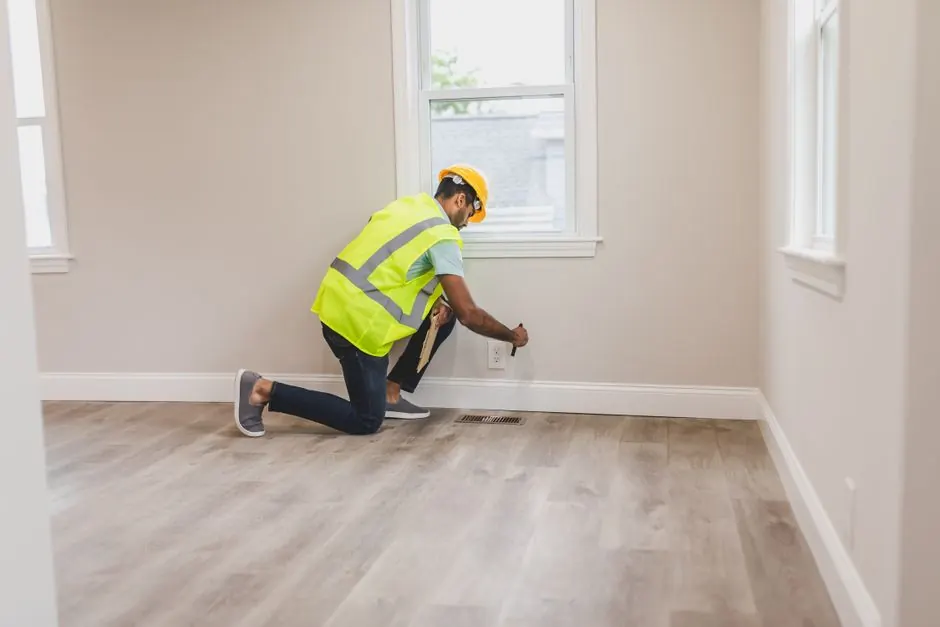
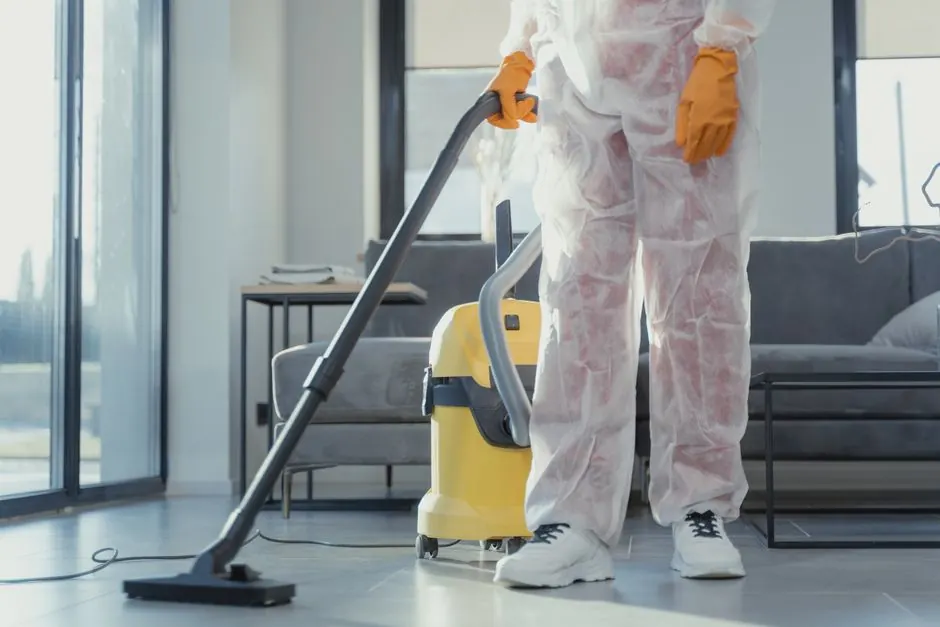
Greenville homes range from older houses with remodeled rooms to newer construction with attics, crawl spaces, and finished lower levels. A roof leak after a thunderstorm, a slow bathroom plumbing leak, or humid crawl space conditions can affect materials out of sight. We inspect before opening walls and explain how we will protect the parts of your home that are not affected. Residential mold removal in Greenville, South Carolina, includes containment where needed, removal of unsalvageable porous material, cleaning of appropriate surfaces, and drying checks. You get a plan that follows the water source and the assembly, whether the issue is confined to one room or spans an attic and ceiling below.
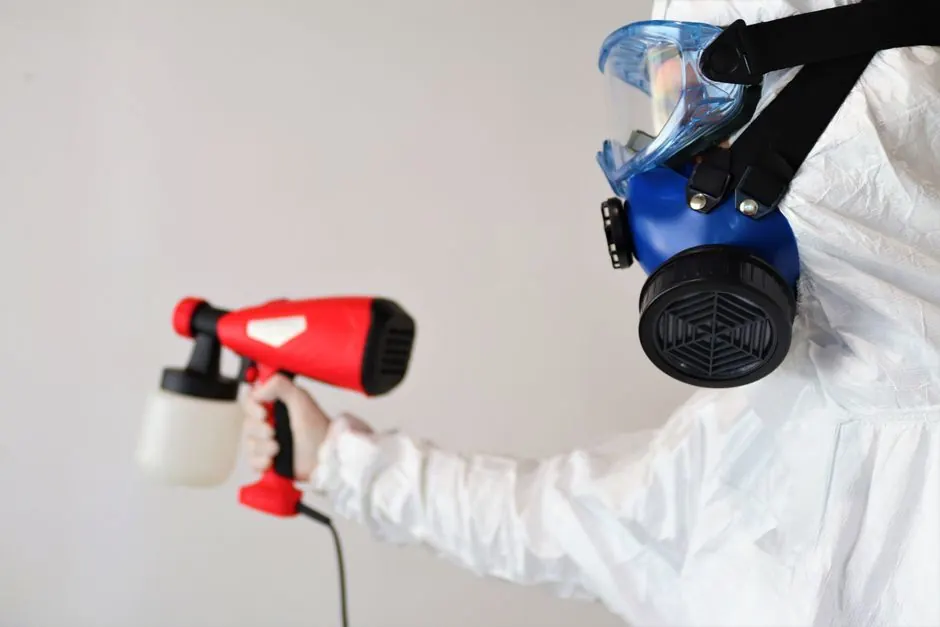
- Room and wall containment — We isolate the affected room or wall section to limit disturbance to the rest of your Greenville home. Before removal, we identify the likely moisture boundary and protect nearby floors and contents. You will know which areas remain accessible and what equipment will be placed in the work zone.
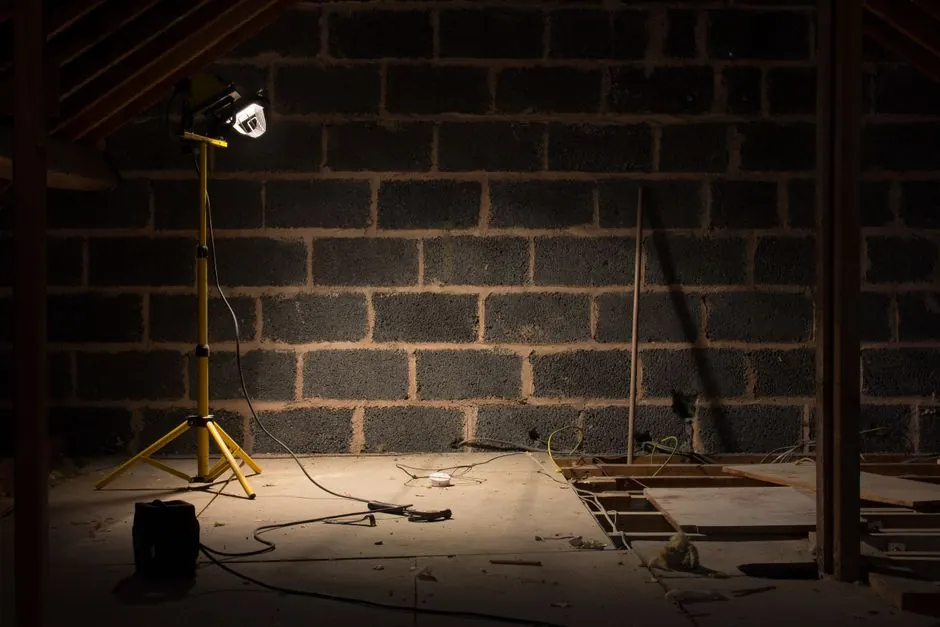
- Attic and roof leak cleanup — We inspect sheathing, insulation, and visible roof leak patterns in Greenville attics before selecting materials for removal or cleaning. If condensation appears more likely than direct roof entry, we note the conditions that need correction. Drying and source control come before replacing insulation or closing access.
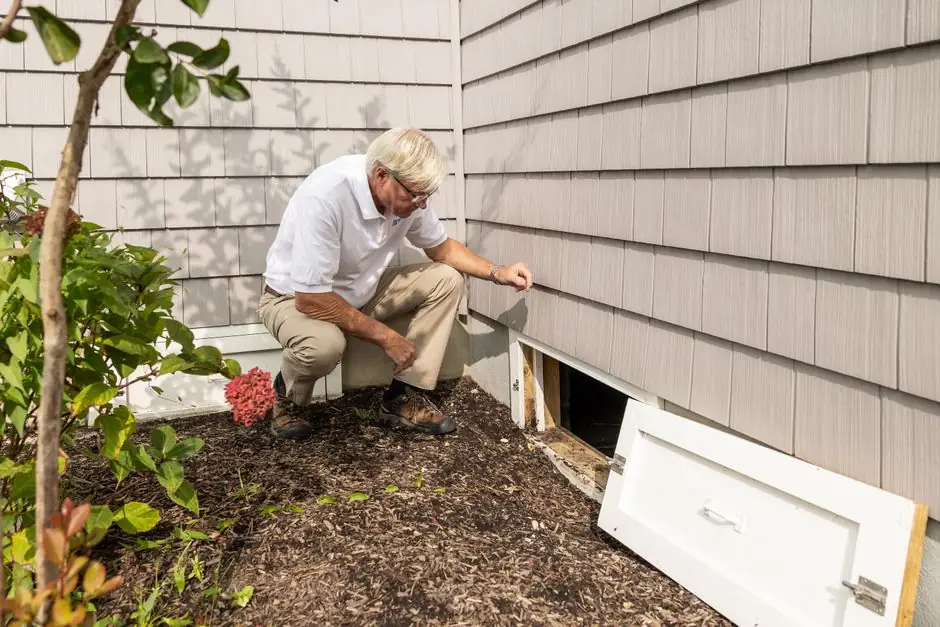
- Crawl space moisture remediation — Our crawl space work checks framing, plumbing, ground moisture, and accessible foundation edges. We remove affected materials as needed, clean appropriate surfaces, and dry the space. When conditions call for it, we identify whether a vapor barrier or drainage correction should be part of the moisture-control plan.
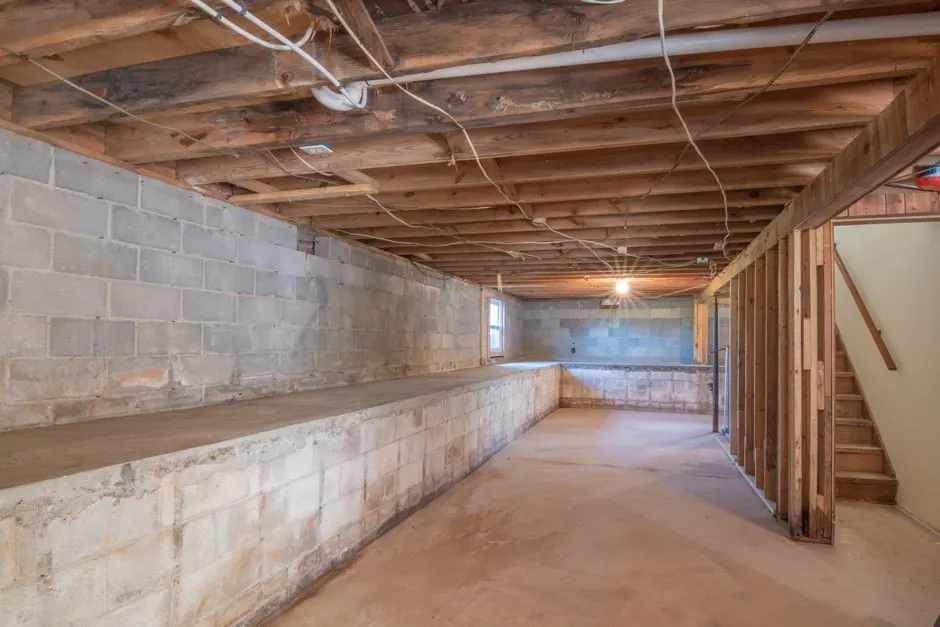
- Basement and bathroom cleanup — We address growth and water-damaged materials in Greenville bathrooms, utility rooms, and basements by tracing leaks or seepage first. Soft drywall, damaged trim, and other porous materials are evaluated for removal. The work area is contained as appropriate, and surfaces are cleaned before repairs begin.