
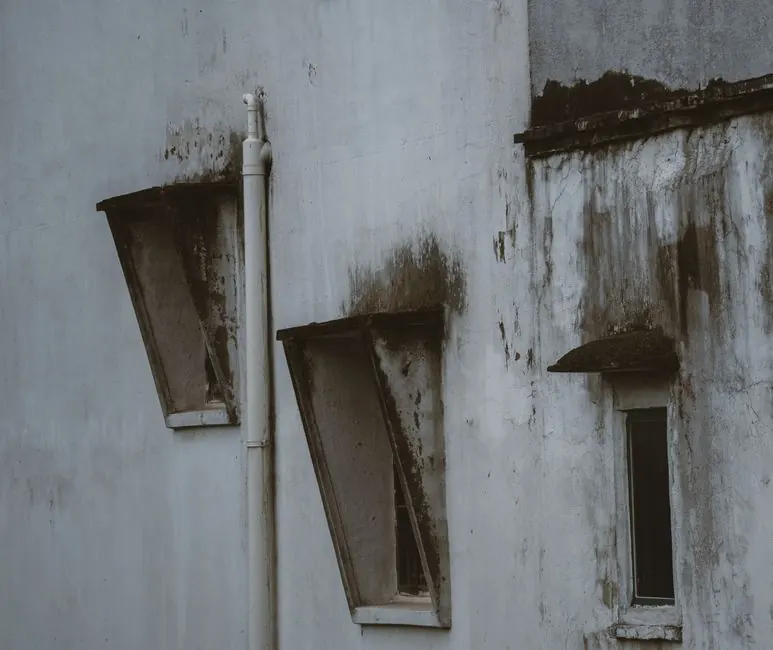
Mold keeps coming back after remediation when moisture still reaches the area, hidden contaminated materials remain, or the cleanup did not control airborne dust and spores during removal. The visible patch may be gone, but mold will grow again if damp drywall, a leaking pipe, humid air, or wet framing continues to supply the conditions it needs.
That is why repeated mold in a house calls for more than another coat of paint or a second surface wipe. We trace the moisture, inspect nearby cavities and building materials, and make sure the repair addresses the reason the growth started. Moisture control is what makes remediation last.
Why Mold Keeps Coming Back After Remediation is a home-maintenance problem involving unresolved dampness and incomplete removal that requires correction before regrowth can be prevented. In South Carolina, warm weather, heavy rain, crawl spaces, and air-conditioning condensation can keep a small leak from staying small.
Why Does Mold Keep Coming Back After Remediation?
Mold returning after removal in South Carolina usually means moisture remains in the building or affected materials were not fully cleaned or removed. If the same stain appears in the same place, look first for a continuing leak, condensation, elevated indoor humidity, or damp material behind the finished surface.
Remediation removes contamination from the affected area; it does not automatically repair a roof, plumbing line, drainage issue, or HVAC problem. We check whether the space dried properly and whether the moisture source was corrected before rebuilding or closing a wall.
A useful clue is location. Growth below a window often points to rain intrusion or condensation; a stain beneath a bathroom may connect to plumbing, while a musty smell near a return vent calls for attention to the HVAC system. Our Mold Remediation in South Carolina work begins with the conditions that let mold return, not just the patch you can see.
The Moisture Source Was Never Fully Corrected
Unrepaired water entry is the most common reason recurring mold growth after cleanup returns to the same room in South Carolina. A cleanup can leave a wall looking sound while a slow pipe leak, roof opening, failing flashing, or wet crawl space continues feeding moisture into the structure.
Some sources are intermittent. Wind-driven rain may only enter during a strong storm; a drain line may leak only while a fixture runs; and an air-conditioning drain can overflow during heavy summer use. Keep a simple record of when the area becomes damp, what was running, and whether rain preceded the odor or stain.
Common sources we look for include:
- Loose supply or drain connections beneath sinks, tubs, and washing machines.
- Roof, gutter, window, or siding leaks that wet framing during rainfall.
- Condensation on cold pipes, air handlers, or supply ducts.
- Groundwater or plumbing moisture in a crawl space or basement.
After a leak is repaired, drying still matters. Wet framing and sheathing can take several days to dry, depending on material, airflow, and the amount of water. A handheld moisture meter helps compare a damp location with an unaffected part of the same wall; one reading alone should not replace a full inspection.
Hidden Moisture Makes Mold Hard to Find
Hidden moisture behind drywall, under flooring, or inside a crawl space often explains why mold returns even when the visible surface looked clean. Water can travel along framing and settle somewhere other than the point where it entered, so the stain is not always directly below the leak.
We follow the moisture pattern rather than guessing from appearance. That can include checking baseboards, the back of accessible cabinets, ceiling cavities, insulation, and the floor below a suspected plumbing leak. An inspection can also help distinguish active moisture from old staining.
If a room smells musty but you see no growth, check adjoining spaces and the underside of the structure where accessible. In homes around Charleston, coastal humidity and wind-driven rain can complicate drying; homeowners dealing with those conditions can find local support through Mold Remediation in Charleston.
Look for changes that repeat: paint bubbling after rain, flooring edges lifting, a damp closet wall, or a bathroom ceiling stain that returns after showers. Those clues help narrow down how to find hidden moisture causing mold to return. Avoid opening a large section of wall yourself if you suspect extensive contamination; disturbance can spread settled dust into the room.
Cleanup Did Not Remove All Affected Materials
Incomplete removal can allow mold to return if porous materials stayed wet, contaminated debris remained in a cavity, or the work area was not contained during cleanup. Mold on a hard, cleanable surface is different from growth embedded in drywall paper, insulation, carpet pad, or other porous materials.
Proper remediation includes controlling the work area, removing materials that cannot be effectively cleaned, cleaning remaining surfaces, and drying the structure. The specific approach depends on the affected area and materials; a quick bleach wipe is not a substitute for removing water-damaged drywall or correcting a leak.
Ask what was affected and what was done to control dust, protect adjacent rooms, and verify drying. A qualified team should explain the moisture source, the materials removed or cleaned, and the steps taken before the area is closed. Our mold remediation company in South Carolina approach focuses on correcting the cause as well as treating the affected materials.
Visible mold may also be only part of the problem. If growth is extensive, returns across multiple rooms, or involves an HVAC system, a broader assessment can help identify connected areas before repairs begin.
South Carolina Humidity Raises the Stakes
High outdoor humidity, heavy rainfall, and long cooling seasons make moisture management especially important for South Carolina homes. In warm months, humid air entering a cool house can condense on cold surfaces, and air-conditioning systems can add trouble if drain pans or condensate lines clog.
Indoor relative humidity is a practical number to monitor: aim to keep it below 60%, with roughly 30% to 50% a useful target for many homes. A basic hygrometer gives you a reading; check it in problem rooms, not only beside a thermostat in a central hallway.
As October gives way to cooler weather, watch for roof and gutter issues after fall storms, then keep an eye on condensation as temperatures drop. Spring rain and summer humidity bring different pressure points. A home in Columbia with a shaded crawl space may need attention to ground moisture, while a coastal home can face persistent damp air and wind-driven rain.
Vent bathroom fans outdoors and run them during bathing and for about 20 minutes afterward. Use a kitchen exhaust fan while cooking, keep gutters clear, and direct downspouts away from the foundation. These are simple measures, but they only help when leaks and wet materials have already been addressed.
Common Mistakes That Let Mold Return
Painting over a stain, cleaning only the visible patch, or closing a wall before it dries are common mold remediation failure causes. These shortcuts hide symptoms without changing the moisture conditions, so the same problem can reappear weeks or months later.
Watch out for these avoidable steps:
- Using paint or sealant to cover active growth instead of locating the water source.
- Running a dehumidifier while leaving a plumbing or roof leak unrepaired.
- Replacing drywall before framing and insulation are dry.
- Turning off an HVAC system without checking its drain line, pan, and nearby insulation.
- Assuming a musty odor is harmless because no mold is visible.
Do not rely on bleach as a universal fix. On porous materials, surface treatment may not reach growth inside the material, and mixing bleach with other cleaners can create dangerous fumes. Keep the area undisturbed if contamination is widespread and arrange an appropriate inspection.
When mold comes back after water damage repair, the repair may have stopped the leak but left wet building materials in place. Drying and cleanup need to follow the water repair; otherwise, the work has fixed the entry point without resolving the damage already inside the home.
When to Call a Professional
Professional mold inspection is warranted when growth returns after cleanup, covers more than about 10 square feet, appears in multiple rooms, or follows water intrusion that affected walls or flooring. That area threshold is a practical screening point often used in EPA guidance, not a guarantee that smaller growth is safe to ignore.
Call sooner if you suspect contamination in an HVAC system, cannot find the source, or notice a persistent musty smell with no visible patch. We inspect the affected area, look for hidden moisture, and explain what needs to be dried, repaired, cleaned, or removed. Mold Inspection and Assessment in South Carolina can help establish where the problem extends before repair work closes access to the affected materials.
Our team at South Carolina Mold Remediation can assess recurring mold and connect the visible growth to the moisture conditions behind it. If you are unsure whether the issue is new or a return of the original problem, start with the pattern: where it appears, when it worsens, and what leaks or repairs came first.
Frequently Asked Questions
Why does mold keep coming back after remediation?
Mold usually returns because moisture remains, hidden materials were not addressed, or the original water source still leaks. Note where and when growth reappears, then check nearby plumbing, exterior openings, HVAC components, and humidity rather than treating the surface again.
Can mold return if the moisture source is fixed?
Yes, mold can return if wet or contaminated porous materials remain after the leak is repaired. Drying may take several days, and the area should be checked before it is enclosed. If moisture readings stay elevated or odor persists, investigate the cavity rather than assuming the repair solved everything.
Does recurring mold mean the first cleanup was incomplete?
Not always. A new leak, storm intrusion, or seasonal condensation can cause fresh growth after a thorough cleanup. But if mold returns in the same spot within weeks or months, incomplete drying, hidden contamination, or an unresolved moisture source deserves a closer look.
How do I prevent mold from returning in South Carolina?
Keep indoor humidity below 60%, repair leaks promptly, dry wet materials, and use exhaust fans during bathing and cooking. Check crawl spaces, gutters, condensate drains, and roof openings after heavy rain. A hygrometer makes it easier to notice humidity problems before a musty smell develops.
When should recurring mold be professionally inspected?
Arrange an inspection when growth returns after cleanup, spreads across multiple rooms, reaches roughly 10 square feet, or appears near HVAC equipment. Call sooner if you cannot locate a leak, suspect mold behind a wall, or have persistent odor despite drying and cleaning.
Get Help with Mold Remediation in South Carolina
If mold keeps returning, we can help find the moisture source and plan cleanup that addresses the conditions behind the growth. Call South Carolina Mold Remediation at +1 (803) 812-0162 to discuss the problem in your home.