
Logo
Get Estimate

HVAC and Air Duct Mold Remediation in South Carolina

Cleaner HVAC airflow starts with finding the moisture.


HVAC and Air Duct Mold Remediation in South Carolina helps homeowners and commercial property managers address visible growth, musty supply air, and moisture around heating and cooling equipment. We inspect the system, isolate affected areas, and clean or remove contaminated materials according to the condition we find. South Carolina HVAC and air duct mold remediation also tackles the moisture source, so you are not simply masking an odor before the next humid spell.

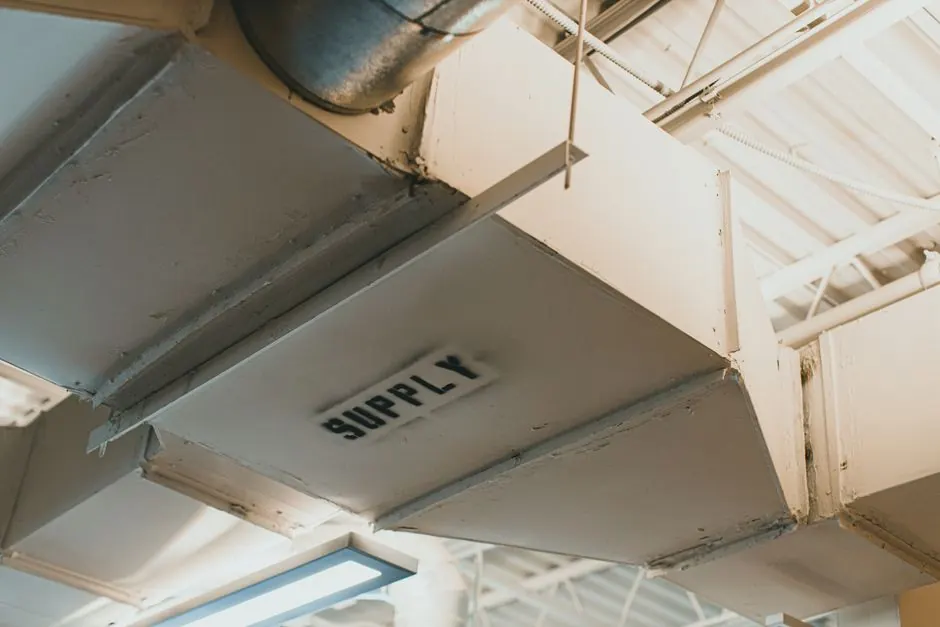
Close-up view of an air duct labeled 'SUPPLY' in an industrial setting.
Licensed Licensed & Bonded
Fully Insured Insured & Bonded
24/7 Emergency Same-Day Response
Warranty Backed Workmanship Guaranteed

What's Included in HVAC Cleanup

Your service starts with inspection of accessible HVAC components and the duct areas connected to the reported problem. We clean salvageable surfaces, remove contaminated porous materials when needed, and control debris with appropriate containment and filtration. Work on unrelated roof, plumbing, or equipment failures is handled separately, but we identify those sources because cleanup alone will not stop growth if water keeps entering.

HVAC Condition Inspection

We review accessible air handler surfaces, drain pans, coil areas, registers, returns, and duct connections. Moisture readings and visual findings help us establish which components need attention and whether the problem extends beyond the vent you first noticed.

Containment and Protection

Where disturbance could spread debris, we isolate the work area with suitable barriers and operate HEPA filtration. We protect nearby furnishings and keep removed material contained, adjusting the setup to the access route and affected area.

Surface Cleaning and Removal

We clean appropriate nonporous HVAC surfaces and remove porous materials that cannot be restored through cleaning. A HEPA-filtered vacuum captures settled debris, and waste is bagged and taken out of the controlled work area.

Moisture Findings Review

We explain whether condensation, a blocked drain, water intrusion, or high indoor humidity contributed to the growth. You receive practical next steps for drainage, equipment service, ventilation, or building repair so the system is less likely to become wet again.

HVAC and Air Duct Mold Remediation in South Carolina


HVAC and Air Duct Mold Remediation in South Carolina is a professional cleaning and containment service that removes mold contamination from accessible HVAC components and air ducts when moisture has allowed growth. We inspect the air handler, drain pan, coil area, supply and return ducts, registers, and nearby insulation. A moisture meter and thermal imaging camera help locate damp materials without opening every wall. We then protect clean areas, remove or clean affected materials as appropriate, and verify that the moisture source is addressed before the system returns to normal operation.

South Carolina's humid summers, coastal salt air, sudden downpours, and tightly closed buildings can leave condensation on HVAC components or dampen insulation. A clogged condensate line, roof leak above a duct run, or crawl space moisture can feed recurring mold after cleanup. Our team checks the whole pathway rather than treating a dark vent cover as the source. For air duct mold removal and HVAC cleaning in South Carolina, we pair controlled removal with practical moisture corrections such as clearing drainage, improving airflow, or replacing mold-contaminated porous materials.

Our Five-Step Service Process

South Carolina HVAC and air duct mold remediation follows a measured sequence: inspect, isolate, remove contamination, correct moisture, and review the result. We tell you what we are doing as the work moves through your home or facility. A straightforward system cleaning can take several hours; multi-zone or concealed contamination takes longer because safe containment and material removal cannot be rushed.

01

Schedule

Call or book online — a real human picks up and confirms a 2-hour arrival window.

02

Diagnose

Licensed tech inspects on-site, then walks you through the cause and your options.

03

Fix

The job is completed to code and done right the first time — no shortcuts, no surprises.

04

Guarantee

Every job backed by a written workmanship warranty — and we stand behind it.

Tools and Remediation Methods

Tools & Equipment

HEPA air scrubber

We use a HEPA air scrubber to capture airborne particles in the controlled work zone during disturbance. Proper placement supports containment and helps prevent debris from moving into clean areas.

Moisture meter

A moisture meter checks suspect insulation, drywall, and other materials. Readings help distinguish a dry stain from an active moisture problem and guide decisions about cleaning or removal.

Borescope

A borescope lets us view accessible duct interiors through an existing opening. It helps assess the condition beyond a grille without opening additional surfaces unnecessarily.

Negative air machine

When the job requires containment, a negative air machine helps maintain controlled airflow toward filtration. We use it to reduce the movement of disturbed particles outside the work zone.

Tramex moisture meter

Tramex equipment supports noninvasive moisture checks on suitable building materials. We compare readings with visual conditions and other observations rather than using a single number to make the whole diagnosis.

Methods & Standards

ANSI/IICRC S520-based remediation

We use the ANSI/IICRC S520 Standard for Professional Mold Remediation as a framework for assessment, containment, removal, and post-work review. The method is adapted to the material and contamination extent: cleanable nonporous surfaces are treated differently from saturated duct liner or insulation that cannot be restored.

Source and moisture tracing

Before removal, we trace likely water pathways through the drain pan, condensate line, coil area, roof or plumbing leaks, and nearby crawl space or attic. We use visual checks and moisture readings to identify the condition that must change, then explain repairs that fall outside remediation.

HEPA-controlled cleaning

We control dust and debris during cleaning with HEPA-filtered equipment and containment suited to the work area. Accessible surfaces are cleaned using an appropriate method; contaminated porous materials that cannot be cleaned are removed and contained. We do not rely on odor masking or a coating to substitute for removal.

Humidity and operation review

At completion, we review humidity, filter fit, condensate drainage, and system operation with you. We discuss practical indoor humidity management around 30-50% relative humidity, manufacturer filter guidance, and when to request HVAC service if condensation continues at the coil or duct surface.

When to Call an HVAC Mold Pro

01

You notice a persistent musty smell from supply vents after a humid South Carolina summer.

What we do: We inspect the coil area, drain pan, duct openings, and nearby insulation for visible growth and moisture. Our team checks whether condensate is draining and measures indoor humidity before deciding how much cleaning or removal is needed.

→ You get a cause-based plan that distinguishes an odor source in the HVAC system from damp building materials nearby, with practical steps to limit a repeat.

02

A roof leak has wet duct insulation in the attic after heavy fall rain.

What we do: We locate the affected run, assess whether the insulation can be restored, and contain removal where porous material is contaminated. We coordinate the remediation sequence with correction of the roof leak so newly cleaned areas are not exposed to continuing water.

→ Your damaged duct section is addressed, surrounding areas are protected during removal, and you know which moisture repair must remain in place.

03

Visible spotting returns at several vents even after routine filter changes.

What we do: We inspect the return path and air handler rather than assuming the filter is the only issue. The team checks for condensation, poor drainage, dust buildup, and damp duct liner, then cleans accessible surfaces and removes material that cannot be safely cleaned.

→ You receive a specific explanation for the repeat spotting and a maintenance plan tied to the equipment, humidity, and affected duct sections.

04

A business needs commercial air duct mold remediation in South Carolina without treating every room alike.

What we do: We assess the system zones, identify rooms served by affected duct sections, and set containment around the work area. Our team plans cleaning and removal to reduce cross-contamination while helping the property contact understand access and operational needs.

→ The remediation targets documented areas rather than disrupting the entire building, and the manager receives clear findings for maintenance and moisture correction.

How HVAC Remediation Works Across South Carolina

HVAC and Air Duct Mold Remediation in South Carolina has to account for long humid summers, coastal moisture, heavy rain, and sharp shifts between air-conditioned interiors and warm outdoor air. Those conditions can create condensation on cold ducts, especially where insulation is damaged or the system cycles unevenly. Coastal buildings also face salt-laden air and wind-driven rain; inland homes may have attic heat, crawl space moisture, or older duct runs with limited access. We adapt containment and inspection to each property rather than assuming the same layout statewide. For air duct mold removal and HVAC cleaning in South Carolina, our team checks the air handler, duct route, and nearby building materials, then explains whether a leak, drainage issue, or humidity pattern is feeding growth. We follow applicable safety practices and recognized remediation standards; building repairs and HVAC mechanical work are coordinated with the appropriate qualified trade. Fall is a useful time to inspect before heating season increases system run time, while spring maintenance can catch drainage and humidity issues before summer cooling demand returns.

Neighborhoods We Serve

  • Downtown Charleston

    Older homes and renovated buildings can have tight chases and mixed duct layouts. We plan access carefully and check for moisture where duct runs meet exterior walls or attic spaces.

  • Seven Oaks

    Homes with attic ductwork can develop condensation when insulation shifts or humid air reaches a cold surface. We inspect the duct exterior and nearby roof areas along with the HVAC unit.

  • North Hartsville

    Seasonal heating and cooling changes can expose damp insulation or drainage problems that were less noticeable during mild weather. We check the equipment and connected duct sections together.

  • Kiawah Island

    Coastal humidity and wind-driven rain make moisture tracking important. We inspect air handlers, duct insulation, and nearby building materials for signs of water intrusion or persistent condensation.

Local Conditions We Plan For

  • Coastal humidity and salt air increase condensation risk

    Warm humid air meeting cold HVAC surfaces can leave water on coils, ducts, or poorly insulated connections. We look for repeated wetting and corrosion-prone areas, then separate mold cleanup from mechanical repairs that require HVAC service.

  • Heavy rain can expose leaks around attic duct runs

    Water intrusion from a roof or exterior opening can wet insulation and nearby framing before a vent odor appears. We identify the affected materials and explain why the leak must be repaired before those surfaces can stay dry.

  • Crawl space moisture can affect ductwork below homes

    High humidity beneath a home can increase moisture around ducts and floor framing, particularly where insulation is damaged. We inspect the return path and nearby materials, then identify whether crawl space moisture control is part of preventing recurrence.

Musty Air Handler and Drain Pan

Before

A homeowner reported a damp odor whenever cooling started. Inspection found residue and moisture around the air handler drain pan, with a nearby duct connection showing elevated moisture. The filter was in place, but the condensate outlet was draining slowly. Cleaning only the visible supply grille would have left the main source untouched.

After

We contained the work area, cleaned suitable nonporous surfaces, and removed a small section of contaminated porous insulation. The drainage issue was identified for correction, and follow-up readings showed the treated insulation area had dried. The musty odor was no longer noticeable during the post-work system check.

Maintenance: Keep the condensate drain accessible and have it checked during routine HVAC service. Replace filters according to the equipment maker's schedule, and call if water appears around the air handler or musty odor returns.

Before

A roof leak had dampened insulation around an attic duct run, and two bedroom vents carried a stale smell after rain. The affected insulation was discolored and remained wet when checked. The homeowner had changed filters but had not connected the odor to the roof opening above the duct.

After

After the roof leak was addressed, we isolated the attic work area and removed the contaminated porous insulation. We cleaned accessible duct surfaces and checked adjacent materials for moisture. The two affected registers were visually clear, and the duct exterior readings were dry at the final review.

Maintenance: Inspect the repaired roof area after significant storms and keep attic ventilation paths clear. If a vent develops a new odor or condensation, check the roof and duct insulation promptly rather than waiting for visible staining.

Before

Several supply registers showed dark spotting that returned after household cleaning. Inspection found dust on the grille, but also condensation near a cold duct connection and indoor humidity above the desired range. The repeated marks were a signal to inspect the system, not just repaint the vent covers.

After

We cleaned the affected register and accessible duct surfaces, removed debris with HEPA filtration, and documented the condensation location. The homeowner arranged HVAC attention for the cold connection and adjusted humidity management. At the follow-up visual check, the treated grilles remained clean and no fresh moisture was present.

Maintenance: Check indoor humidity with a hygrometer during cooling season and keep it near 30-50% when practical. Confirm filters fit correctly and ask an HVAC technician to inspect recurring condensation at duct connections.

Problems Solved by HVAC Mold Cleanup

Professional HVAC mold remediation South Carolina property owners need begins with the symptom but does not stop there. We connect musty supply air, visible vent growth, damp insulation, and recurring condensation to the system conditions behind them. That lets you address the affected materials and the source together, rather than repeating a surface wipe every few weeks.

Problem

Musty odor appears whenever the air conditioner starts

The odor can move through connected rooms and signal damp material near the coil, drain pan, or duct lining. Leaving the moisture source active encourages recurring growth.

Our Fix

We inspect the air handler and duct path, check drainage and moisture readings, then contain and clean or remove affected material. If a clogged condensate line or equipment issue is contributing, we identify it so it can be corrected before the system runs normally again.

Problem

Dark growth keeps returning around supply registers

Repeated spotting can point to condensation, dust accumulation, or contamination inside the duct rather than a problem with the grille alone. Repainting or spraying the cover does not resolve that condition.

Our Fix

We inspect both the register and accessible duct interior, then check temperature and humidity conditions that may be creating condensation. We clean suitable surfaces, remove unsalvageable porous material, and give you specific guidance on filter fit and airflow.

Problem

Wet insulation surrounds an attic or crawl space duct

Damp insulation can lose performance and provide a place for indoor mold growth, while moisture may affect nearby framing or spread into connected HVAC components.

Our Fix

We trace the water source, protect the work area, and remove mold-contaminated porous materials that cannot be cleaned. If the cause is a roof leak or crawl space moisture, we explain the required repair and check the duct after the wet condition has been addressed.

Problem

A commercial system serves multiple affected rooms

Shared duct runs can distribute odors and debris beyond the first room, disrupting occupants and making a single-register cleanup inadequate.

Our Fix

We map affected zones, identify the air handler and duct sections involved, and plan containment around the building's use. We clean or remove affected components in a controlled sequence, then review operational and moisture findings with the property contact.

What a Thorough Cleanup Delivers

What a Thorough Cleanup Delivers

A clean-looking vent is not enough if contamination remains inside the system or moisture keeps returning. We work from the source outward, so you know what was affected, what was cleaned or removed, and what needs correction. The result is a documented plan for safer HVAC operation, not a fragrance or spray used to cover a persistent odor.

  • Cleaner Airflow Path

    We trace contamination through registers, duct sections, and HVAC components instead of stopping at the grille. A HEPA-filtered vacuum captures settled debris during controlled cleaning, while affected porous insulation is removed when cleaning cannot restore it. You receive a clear account of the treated area and the condition found, helping you decide whether further system work is needed.

  • Moisture Source Addressed

    Mold control lasts only when the wet condition changes. We check condensate drainage, coil-area condensation, nearby plumbing leaks, and air leakage that can create cold surfaces. A hygrometer records indoor humidity, and we explain practical targets; keeping occupied spaces near 30-50% relative humidity helps limit conditions that support growth.

  • Contained Work Area

    We use polyethylene containment sheeting and appropriate personal protective equipment when the job calls for isolation. A negative air machine equipped with HEPA filter media helps keep disturbed particles from moving into clean rooms. You can keep using unaffected parts of the property while we control the work zone and protect furnishings.

  • A Useful Follow-Up Plan

    After cleaning, we explain what to watch and when to recheck the system. You will know how often to change the filter based on the equipment maker's guidance, how to keep the drain line clear, and when a return inspection makes sense. If moisture readings remain elevated, we identify the next correction rather than calling the job finished.

Standards and Safe Work

Licensed & Certified

  • IICRC Applied Microbial Remediation Technician — issued by Institute of Inspection, Cleaning and Restoration Certification
  • IICRC Water Damage Restoration Technician — issued by Institute of Inspection, Cleaning and Restoration Certification
  • ACAC Council-certified Indoor Environmentalist — issued by American Council for Accredited Certification
  • EPA Renovation, Repair and Painting certification — issued by U.S. Environmental Protection Agency

Verified Reviews

Customer feedback Not stated

A homeowner described a crew that inspected the air handler and duct connection before cleaning. They found damp insulation, controlled the work area, and explained the drainage issue. The clear explanation of what was removed and what needed repair helped the customer understand why a quick vent wipe would not have solved the odor.

Customer feedback Not stated

A property manager reported visible marks at several vents and appreciated that the team inspected the system rather than treating every grille as an isolated problem. HEPA equipment was used during cleaning, and the manager received specific filter and humidity steps for routine maintenance.

Customer feedback Not stated

After a leak affected attic duct insulation, a customer said the crew contained the area and removed material that could not be cleaned. They also identified the roof repair needed to keep the duct dry and reviewed moisture readings before leaving.

Practical HVAC Remediation Expertise

Our technicians approach HVAC contamination as both a mold problem and a moisture-control problem. We use accepted remediation practices, including the ANSI/IICRC S520 Standard for Professional Mold Remediation, and training relevant to microbial remediation and water damage. South Carolina properties range from coastal homes with persistent humidity to inland buildings with seasonal heating and cooling swings; that changes where condensation forms and how we protect a work area. We explain the findings in plain language, identify materials that can be cleaned versus removed, and connect the cleanup to the moisture correction your system needs.

  • Technicians use moisture readings and visual inspection together, so a stain alone does not determine the removal plan.
  • Containment and HEPA filtration are selected for the affected area, access conditions, and amount of material disturbed.
  • Our process follows IICRC remediation principles for controlling contamination and preventing cross-contamination during removal.
  • We check condensate drainage, coil access, duct insulation, and nearby building materials as part of the system investigation.
  • You receive direct guidance on humidity, filter maintenance, and follow-up when moisture conditions remain unresolved.
Get Started Today
Practical HVAC Remediation Expertise

Cities We Serve Across South Carolina

Our statewide coverage brings HVAC and Air Duct Mold Remediation in South Carolina to coastal, inland, and Upstate properties. We plan each visit around the building's equipment, access, and moisture conditions, rather than assuming every home has the same duct layout. For air duct mold removal services in South Carolina, we serve communities from Florence and Newberry to Hanahan and Anderson, with nearby smaller towns included in our coverage. Tell us what you see and where the odor or moisture appears.

Florence

We inspect air handlers and duct runs for condensation, drainage problems, and attic moisture, then contain cleaning or removal to the affected sections.

Anderson

Our team checks duct connections and nearby building materials when musty airflow or recurring vent marks point to a hidden moisture source.

Hanahan

Humid coastal conditions make moisture checks important. We assess the air handler, drain pan, and accessible ductwork before choosing a cleaning method.

Seven Oaks

For homes with attic ductwork, we look for damp insulation, roof-related water intrusion, and cold connections that can collect condensation.

Parker

We trace odors through supply and return paths, using inspection and moisture readings to distinguish surface dust from active contamination.

Newberry

Our service includes checking condensate drainage and duct insulation, then containing cleanup where affected materials connect to occupied rooms.

Lancaster

We inspect the full accessible HVAC pathway when vent spotting returns, address cleanable surfaces, and identify porous materials that need removal.

Sans Souci

When musty airflow persists, we check the air handler, duct openings, and nearby surfaces for water intrusion or sustained indoor humidity.

Welcome

We assess the system and moisture source together, then explain practical steps for drainage, filter fit, and preventing repeat growth.

Central

Our technicians inspect accessible duct sections and HVAC components, using containment and HEPA filtration when cleaning could disturb debris.

Northlake

We investigate recurring odors and visible vent growth by checking duct connections, condensation, and nearby insulation before starting remediation.

Saxon

Service focuses on identifying where moisture enters or condenses, protecting unaffected areas, and cleaning or removing affected HVAC materials.

Wyboo

We check humidity and drainage alongside visible growth, then tailor the work to the air handler and duct sections affected.

North Hartsville

Seasonal system changes can reveal damp insulation or a slow drain. We inspect those areas and explain the correction needed to prevent recurrence.

Hilltop

Our team follows the odor or staining through the accessible system, contains the work area, and reviews moisture findings before completion.

Frequently Asked Questions

Real answers to the questions we hear most often from local homeowners and property managers.

How much does HVAC and air duct mold remediation cost in South Carolina?
In 2026, a limited, accessible HVAC cleanup often costs about $500-$1,500, while extensive duct or multi-system remediation can range from $1,500-$6,000 or more. Price depends on the number of air handlers, contamination area, access, containment, and whether porous insulation must be removed. We inspect first and give you upfront pricing for the identified work. Repairs to a roof, plumbing line, or HVAC equipment are separate from mold cleanup.
Can mold in air ducts spread through a home?
Yes, operating HVAC airflow can move mold spores and contaminated dust from an affected area into connected rooms. The extent depends on where growth is located, whether the blower is running, and how the duct system is configured. We isolate the work zone, control air movement, and clean affected surfaces with HEPA equipment. If contamination is limited to a register, the plan differs from growth inside a return trunk or air handler.
Who removes mold from HVAC systems in South Carolina?
A trained mold remediation contractor with HVAC-system knowledge should remove contamination and address the moisture source. Our team inspects the equipment and ducts, contains affected areas, cleans salvageable surfaces, and removes porous materials that cannot be restored. For air duct mold removal services in South Carolina, we also check drainage, condensation, and humidity so you are not left with the same conditions that caused growth.
Should air ducts be tested before mold removal?
Not always; visible growth and a moisture source can be enough to plan remediation, while testing is useful when the source or extent is unclear. Air sampling alone cannot confirm that a duct is clean or identify every hidden growth area. We start with inspection and moisture checks, then discuss sampling when it answers a specific question. A qualified indoor environmental professional can help interpret results when independent assessment is needed.

Related Home and Building Services

Mold Remediation

HVAC contamination sometimes connects to growth on nearby walls, ceilings, or building materials. Our broader remediation service addresses those affected areas with containment, removal, and moisture correction, helping keep the duct cleanup from leaving a related source untreated.

View Mold Remediation

Mold Inspection and Assessment

An inspection helps locate visible and concealed moisture around an air handler, duct route, or ceiling cavity. We assess the affected materials and access conditions, then explain whether targeted HVAC work is enough or adjoining areas also need attention.

View Mold Inspection and Assessment

Mold Testing and Sampling

Sampling can help answer a defined question when contamination is not visible or when occupants need additional environmental information. We explain what sampling can and cannot establish, and coordinate it with inspection rather than treating a laboratory result as a substitute for finding moisture.

View Mold Testing and Sampling

Black Mold Removal

Dark discoloration in a vent or around an air handler should be assessed before anyone assumes its identity. Our removal approach is based on the material, moisture, and affected area, with appropriate containment and disposal when contaminated porous components cannot be cleaned.

View Black Mold Removal

Residential Mold Removal

Homes may have HVAC growth alongside damp closets, ceilings, or crawl space materials. Residential removal addresses the connected building sources and protects living areas during work, so you can manage the system and affected rooms as one moisture-control problem.

View Residential Mold Removal

Commercial Mold Remediation

Commercial air systems often serve multiple rooms and occupants, so work planning must account for access, schedules, and operating zones. We assess affected equipment and duct sections, contain the work, and coordinate a practical sequence for offices, retail spaces, and other facilities.

View Commercial Mold Remediation

Get HVAC Mold Help in South Carolina

Musty vents, recurring spotting, or wet duct insulation deserve a system-level inspection. Our team traces the moisture, explains the affected materials, and gives you upfront pricing before work starts. Call South Carolina Mold Remediation at +18038120162 to schedule your next step.

Call today Schedule Inspection

Talk With Our Team

Call us at +18038120162 to discuss visible mold, water intrusion, or a musty smell in your home or business. We take calls around the clock for urgent water-related concerns and arrange service across South Carolina. Tell us what happened, which rooms are affected, and whether the leak is still active so we can help you plan the next step.

Or call us right now at +18038120162 — we answer.

South Carolina Mold Remediation


  • Phone

    +18038120162
  • Address

    South Carolina

  • Hours

    Mon–Fri: 7AM – 7PM
    Sat: 8AM – 4PM
    Sun: Emergency Only
    24/7 Emergency Available

Call +18038120162 Get Quote
Call Quote