

Residential Mold Remediation for Awendaw Homes
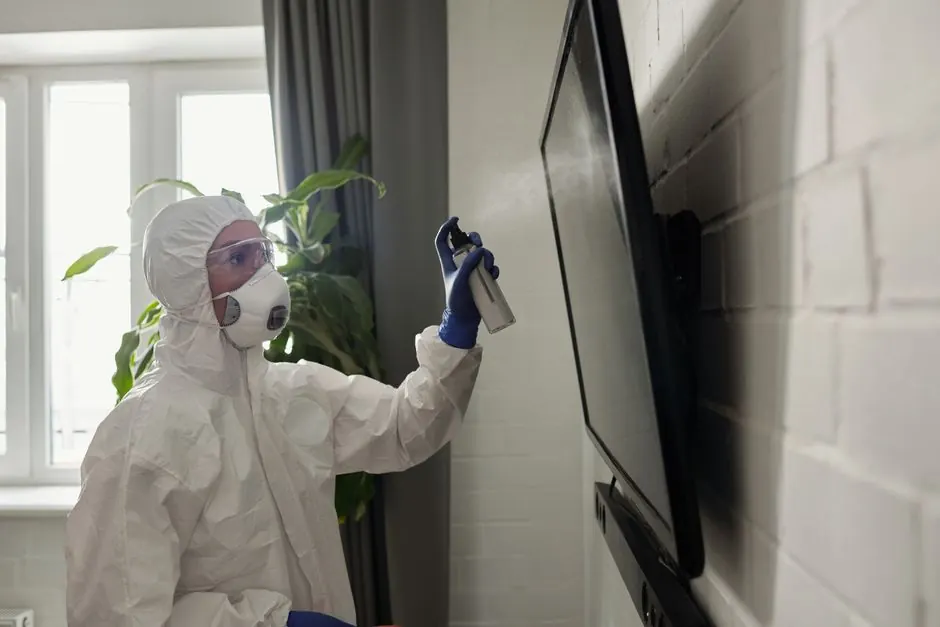
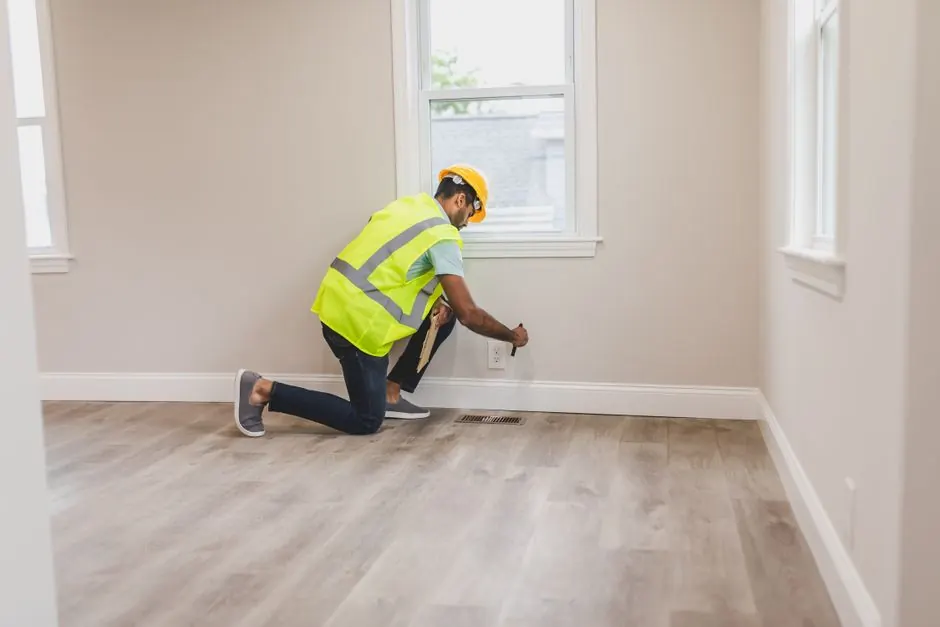
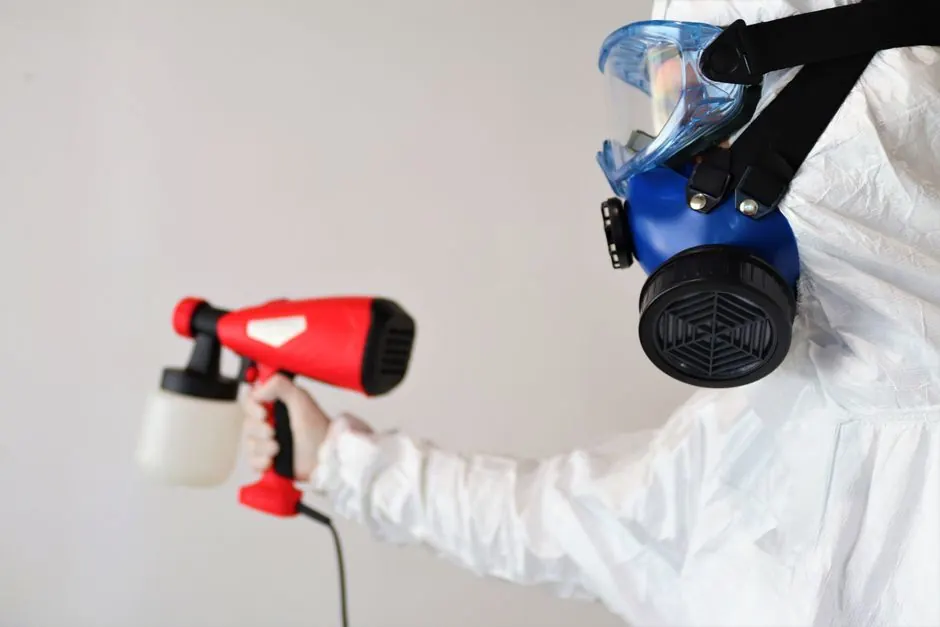
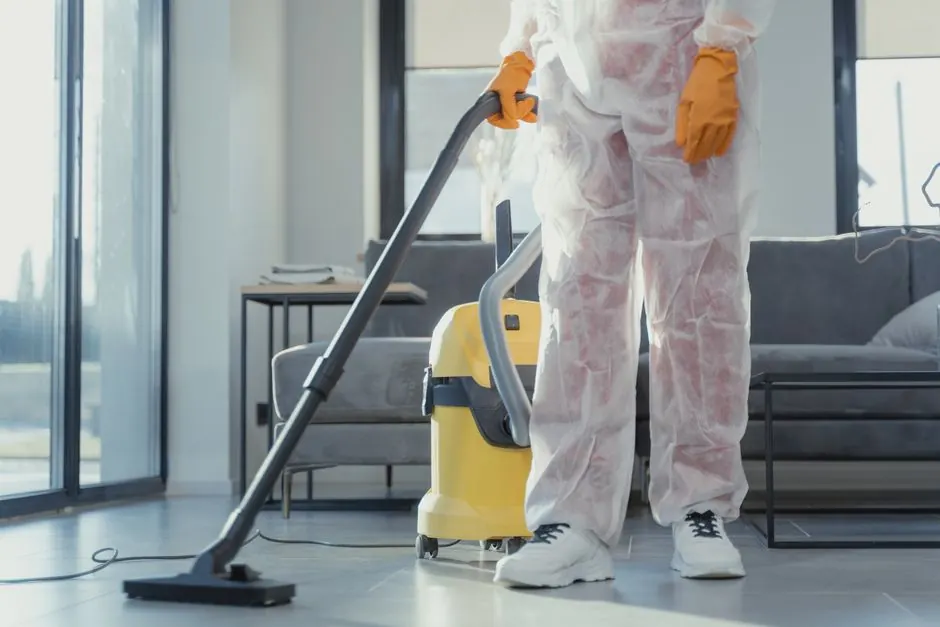
Awendaw homes include raised houses, rural properties, cottages, and newer construction, so the inspection has to fit the building. A damp crawl space can affect subflooring, while a roof leak may show first as a small bedroom ceiling mark. Families often need rooms protected and usable pathways maintained while work is underway. We plan residential mold removal around where you live, sleep, and store belongings, and we keep the containment zone focused on affected materials. We also explain which moisture repair should happen before drywall, insulation, or trim is replaced. If an odor has returned after a previous cleanup, we look beyond the visible surface to find why the material stayed damp.
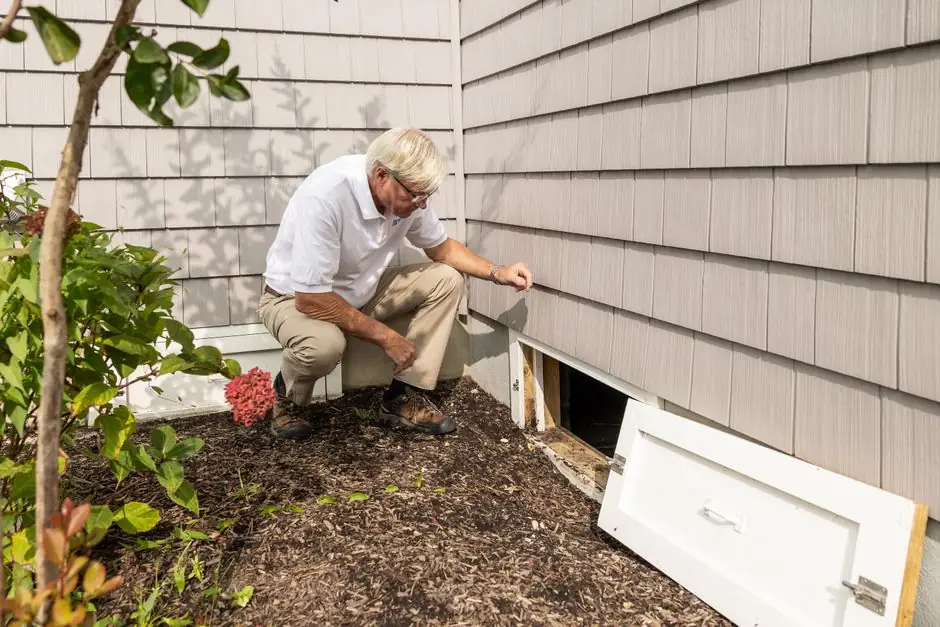
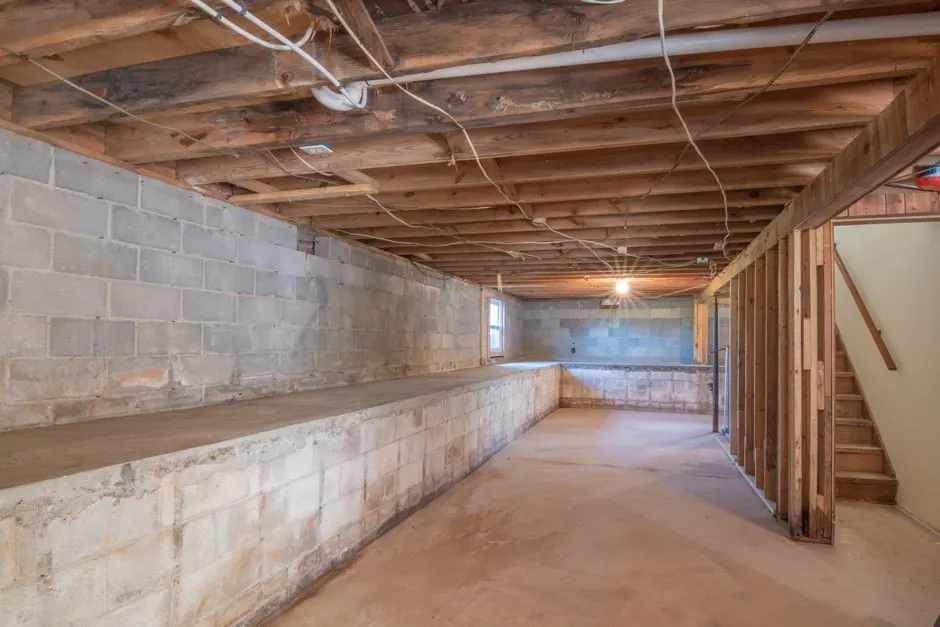
- Crawl space moisture cleanup — We inspect the underside of your Awendaw home for damp framing, affected insulation, and visible growth. After identifying the likely moisture source, we contain the work path, remove material that cannot be cleaned, and explain what needs correction before replacement. This approach helps protect floors and occupied rooms above.
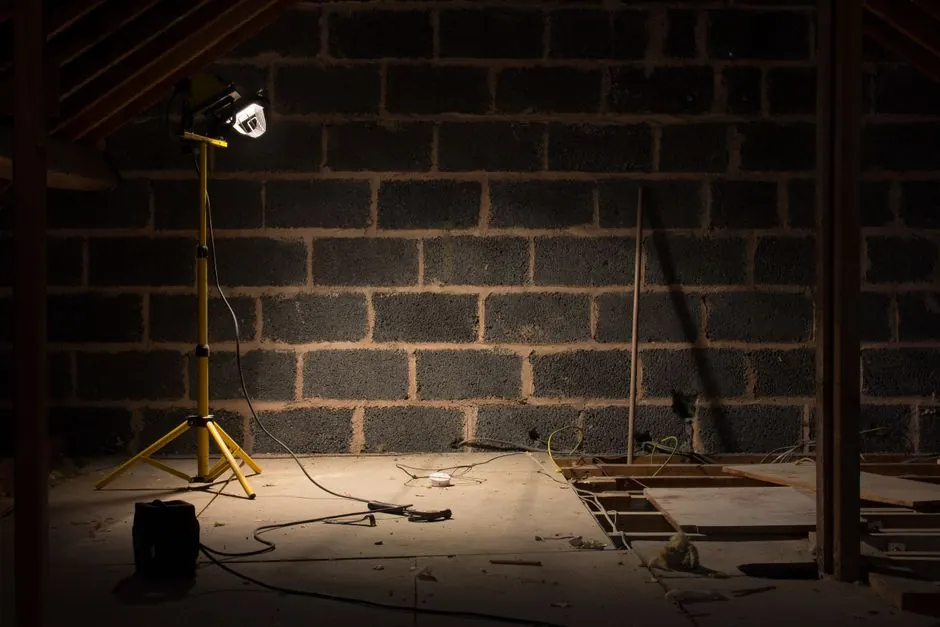
- Attic leak and mold repair — A ceiling stain after rain can lead to a larger attic problem. We inspect the room and accessible roof framing, check insulation and sheathing, and remove affected materials where needed. In Awendaw, coordinating with roof repair is essential so new finishes do not conceal an active opening.
- Bathroom and laundry area cleanup — Persistent moisture around showers, laundry connections, or exhaust fans can affect drywall and trim. We check for leaks and ventilation problems, then remove or clean materials according to their condition. Your household gets a contained work area and practical steps to keep the repaired space dry.
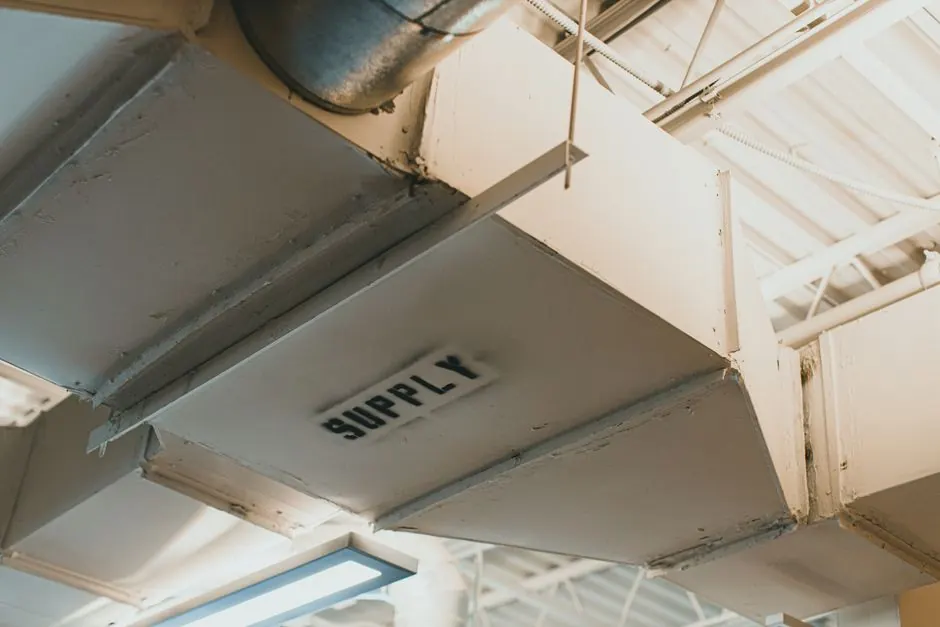
- HVAC condensation assessment — We look at drain pans, condensate lines, nearby insulation, and surfaces around cooling equipment. If a closet or utility area in your Awendaw home smells musty, the inspection follows the moisture rather than treating the odor alone. We identify affected materials and the correction needed to stop repeat wetting.