

Residential Mold Remediation for Beaufort Homes
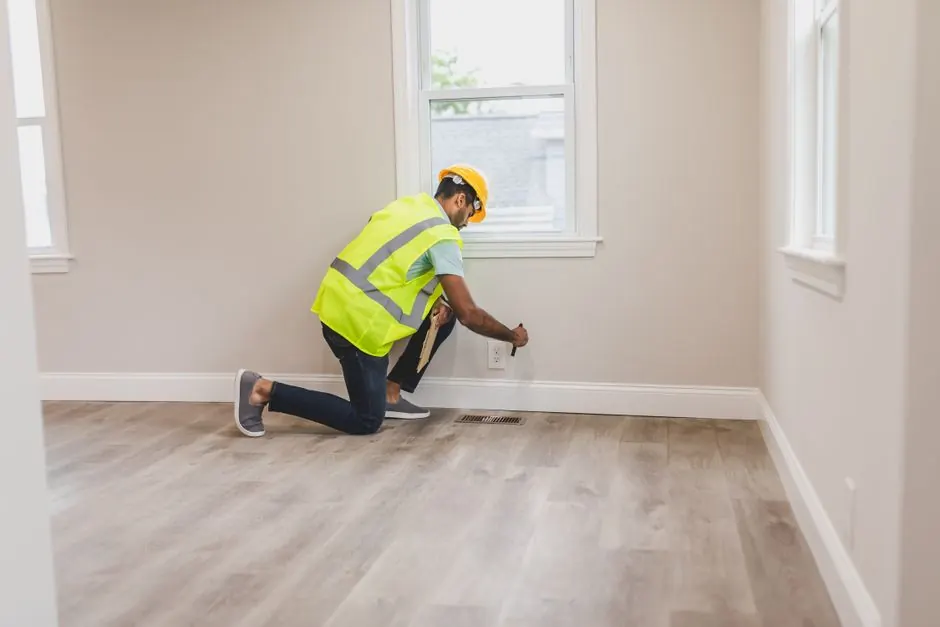
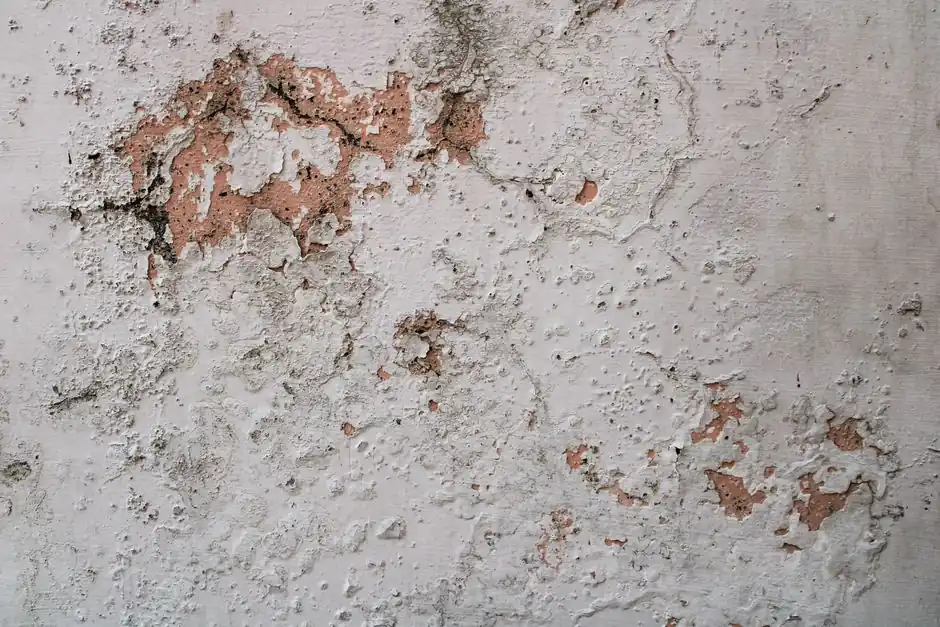
Beaufort homes range from historic buildings with older foundations and crawl spaces to properties with later additions and modern HVAC systems. Moisture can start under a bathroom, at a roof penetration, around a plumbing line, or in a crawl space, then show up somewhere else as odor or staining. We inspect the reported area and connected materials, protect occupied rooms, and explain what can be cleaned and what needs removal. Residential mold removal in Beaufort, South Carolina is not complete until the moisture source and drying conditions are addressed. We plan around your household, pets, access needs, and the rooms you need to keep usable, then leave a clear path for repairs once materials are dry.
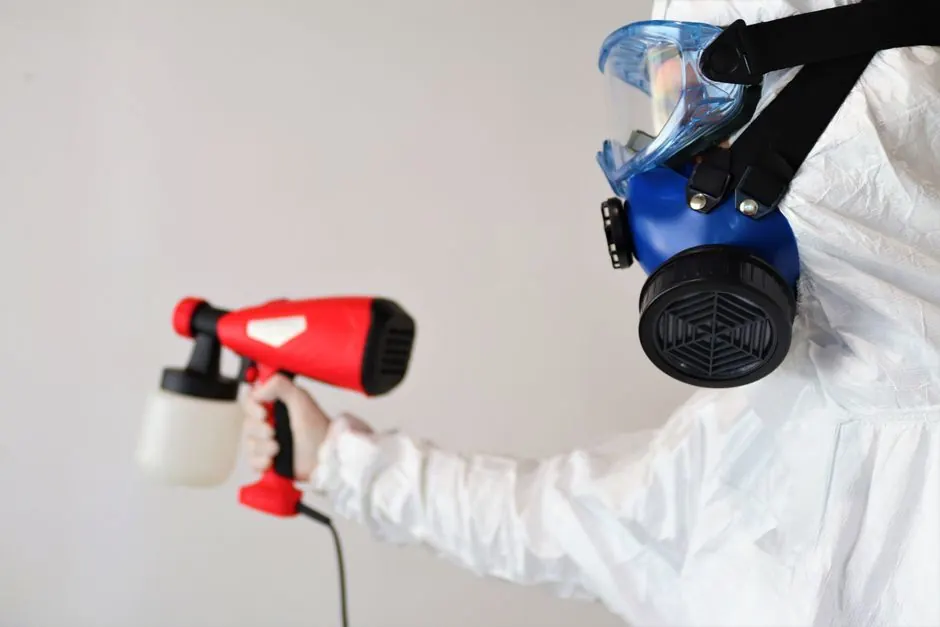
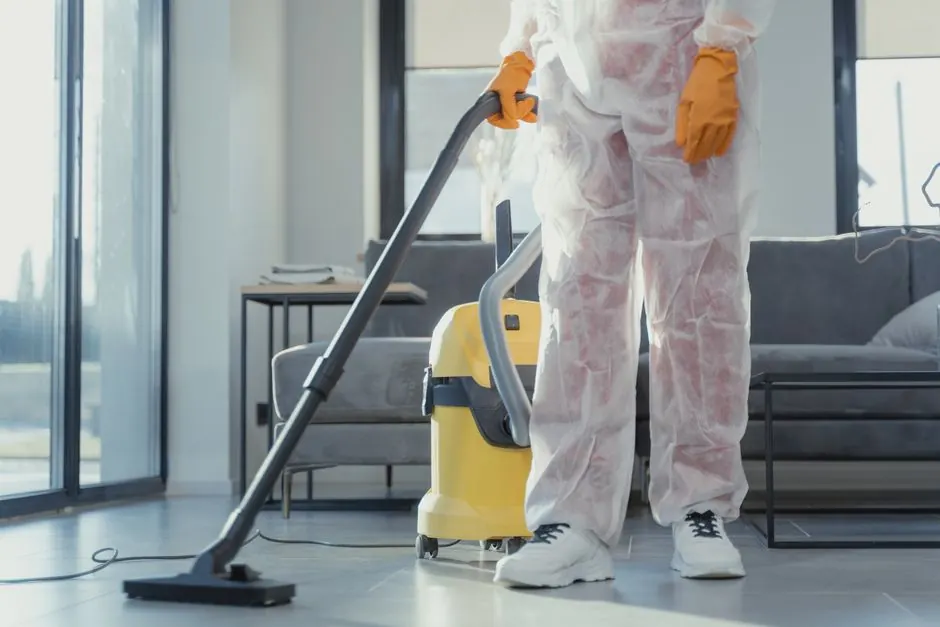
- Occupied-room containment and cleanup — We set a work boundary around affected rooms, protect paths through your home, and use filtration suited to the removal task. In Beaufort residences, careful access planning matters when a work area sits beside a kitchen, bedroom, or historic finish. We explain which rooms remain accessible during cleanup.
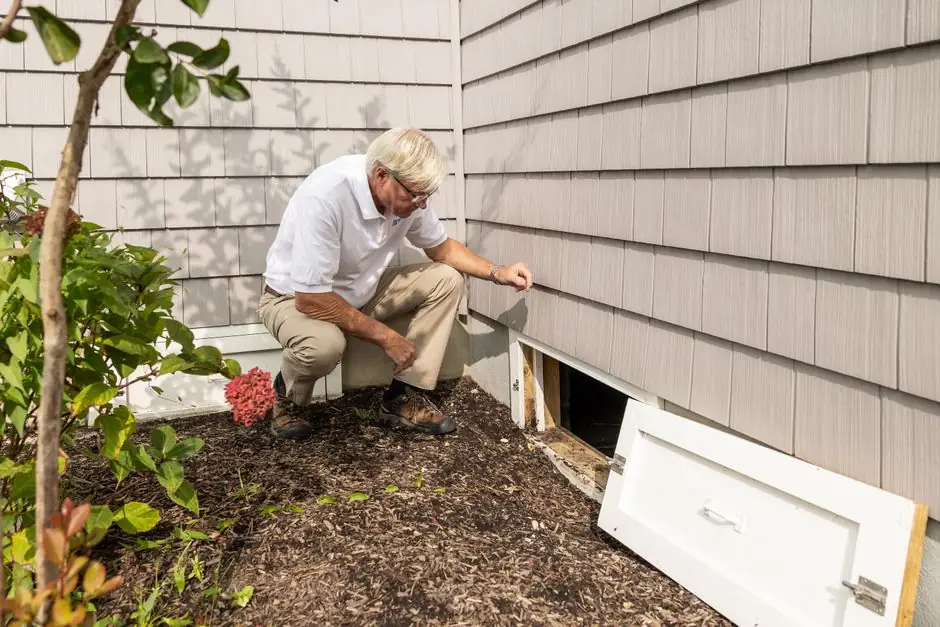
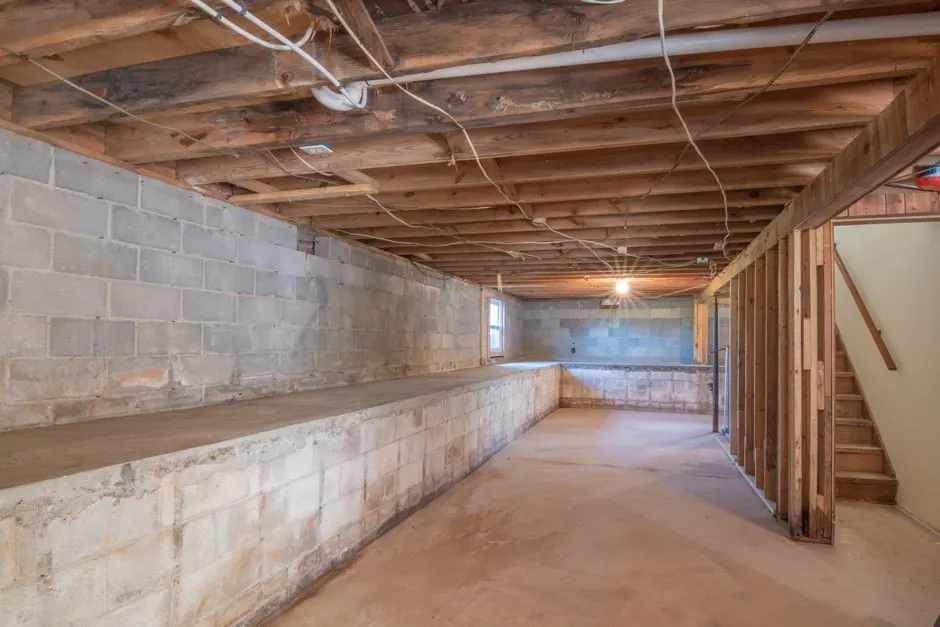
- Crawl-space moisture and framing assessment — We inspect framing, insulation, and the vapor-control layer for visible growth and damp conditions. If contaminated porous material cannot be cleaned, we remove it and clean salvageable surfaces. Beaufort crawl spaces need a moisture plan that addresses water entry and persistent ambient dampness.
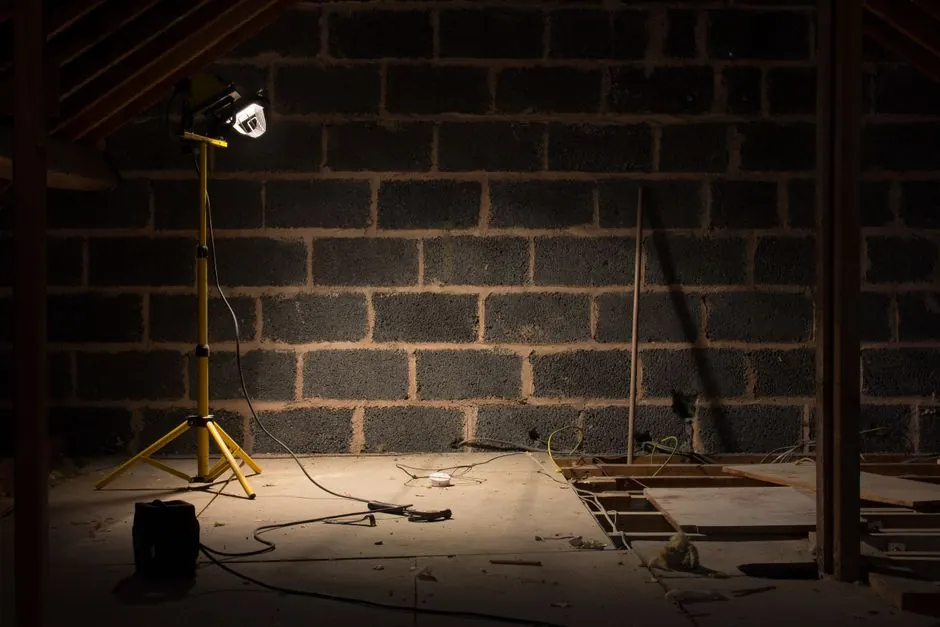
- Attic leak and insulation remediation — After rain or a roof leak, we check sheathing, framing, and insulation near the entry point. We contain removal, clean surfaces that can be restored, and verify drying before replacement. Your roof repair needs to stop further water intrusion before the attic assembly is closed.
- Bathroom and plumbing-leak cleanup — A supply-line leak or failed seal can wet drywall, flooring, and cabinet materials quickly. We trace the affected area, remove unsalvageable material, and dry exposed surfaces before repairs. In Beaufort homes, we check adjacent rooms when moisture readings suggest water has traveled beyond the visible stain.