





Residential Mold Remediation for Burton Homes
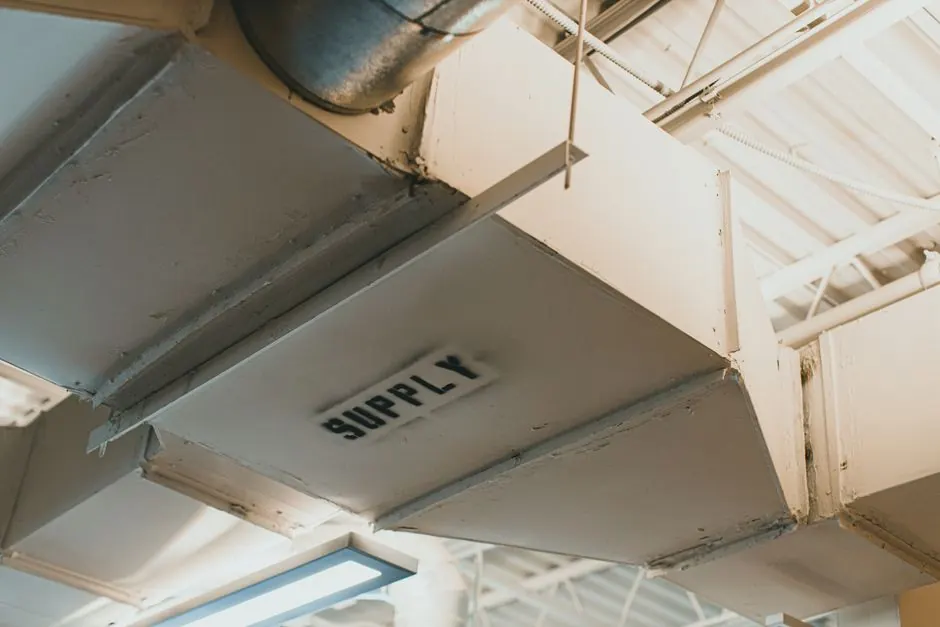
Burton homes range from established houses to newer residential construction, rentals, and properties with crawl spaces or attic assemblies that need direct inspection. A leak under a sink can affect a cabinet and wall; a roof leak can wet ceiling drywall and insulation; high indoor humidity can leave condensation around HVAC components. We start with your concern and check connected materials before disturbing anything. Residential Mold Removal includes containment when appropriate, selective removal of materials that cannot be cleaned, surface cleaning, and monitored drying. We keep you informed about room access and the order of work, especially when a bedroom, kitchen, or shared hallway is involved. If you are handling a recent leak, tell us when it happened and whether the source has been repaired.
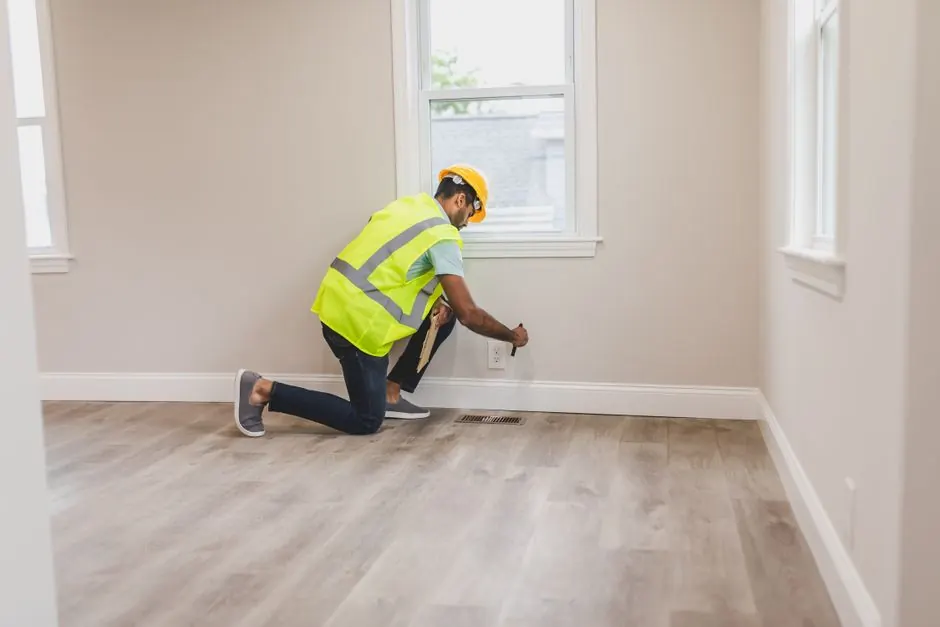
- Leak-affected room cleanup — We assess the room and adjacent wall or floor areas, then set the work boundary according to moisture readings. In Burton, a small stain can connect to a larger damp area behind drywall. We remove material that cannot be cleaned and protect nearby furnishings during the work.
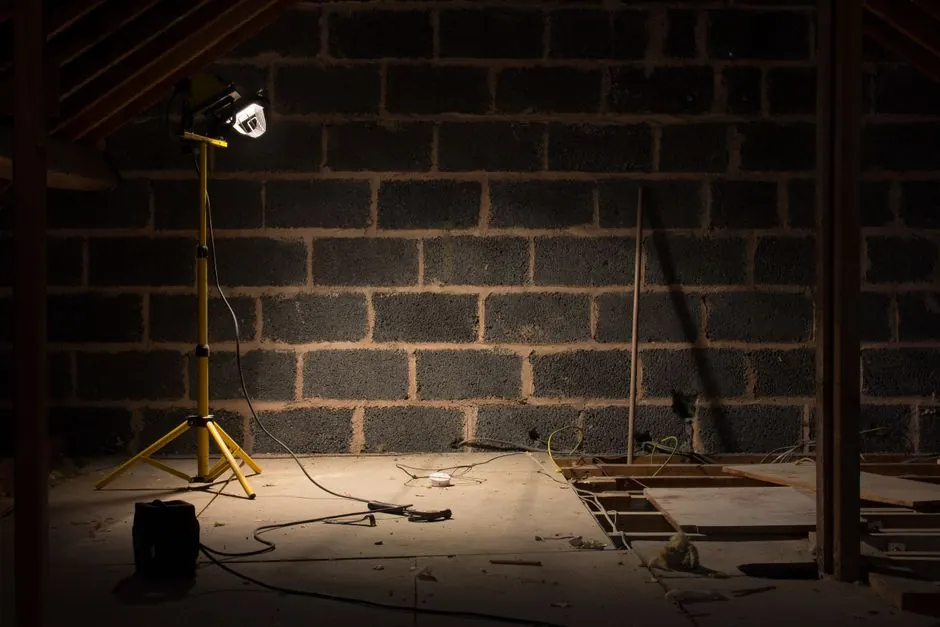
- Attic and ceiling assessment — When you see a ceiling mark, we check the attic side where accessible and look for wet insulation, roof-deck staining, and moisture spread. Burton homeowners receive a clear distinction between the visible finish damage and the affected materials above it before removal and drying are planned.
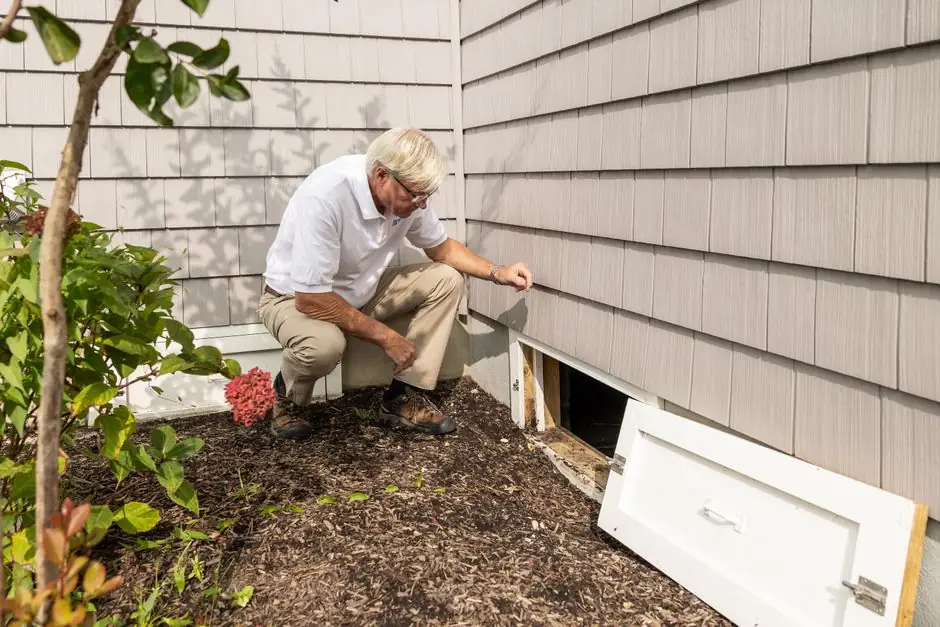
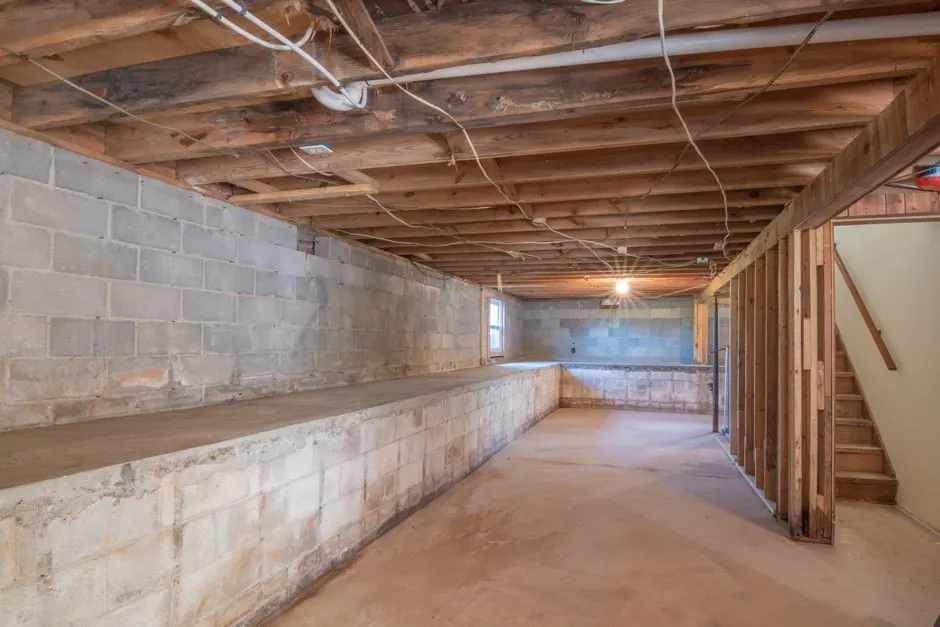
- Crawl space material removal — We inspect accessible joists, subflooring, and insulation, then remove contaminated porous materials when cleaning is not suitable. For Burton properties, limited crawl-space clearance is considered before equipment and worker access are planned. We track moisture and discuss practical control measures after remediation.
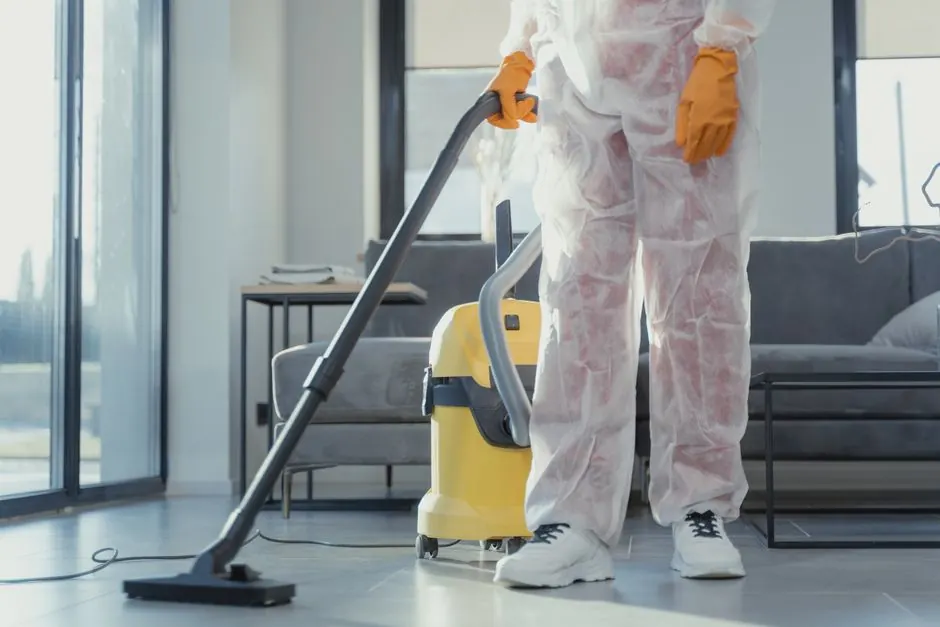
- Occupied-home containment — We separate the work area where conditions call for it and plan a route that avoids unnecessary contact with family spaces. In Burton, the work sequence accounts for pets, bedrooms, HVAC operation, and daily access. We explain which areas should remain closed until cleaning and drying are complete.