





Residential Mold Remediation for Camp Croft Homes
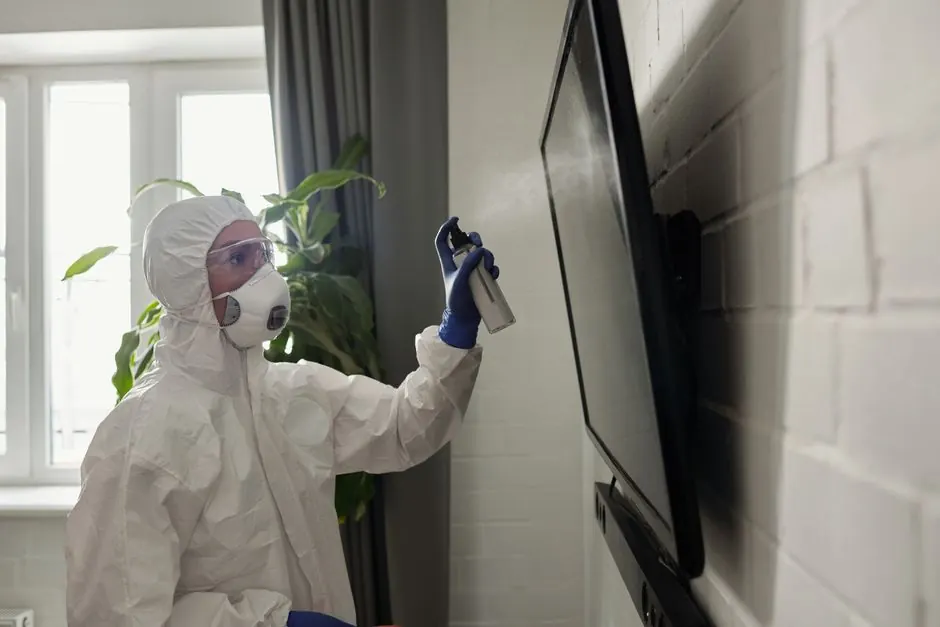
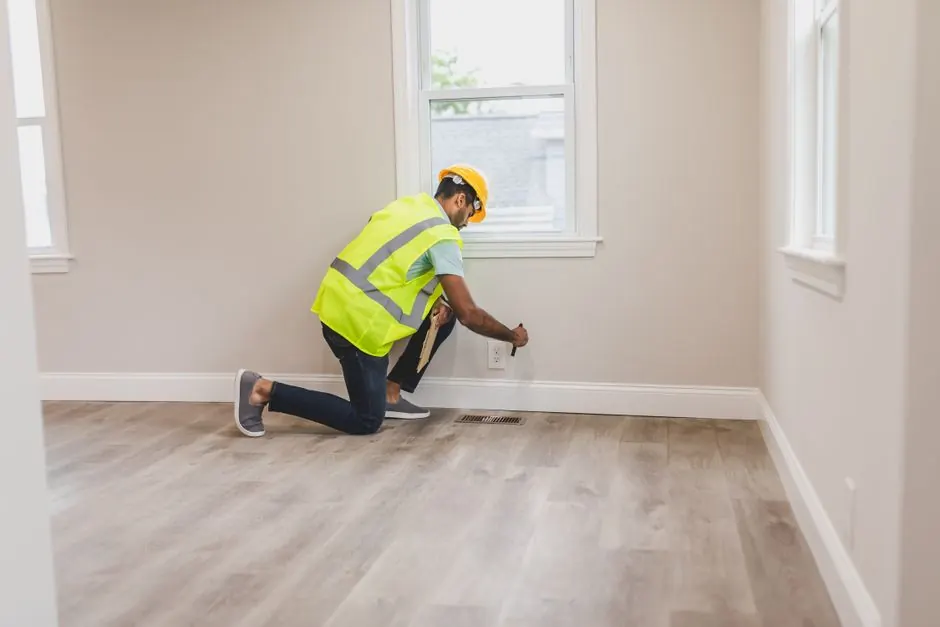
Camp Croft homes range from established detached houses to newer residences, and each layout presents different access and drying issues. Crawl spaces, attics, bathrooms, laundry rooms, and HVAC closets are common places to investigate when a leak or musty odor appears. We protect living areas, keep household routes usable where practical, and explain what is happening before removing finishes. Residential Mold Removal is planned around the actual material: drywall may need removal, while sound framing can often be cleaned and dried. If your family has an active leak, we first help identify the wet boundary and the next necessary step. We also discuss how to reduce high indoor humidity and prevent recurring mold after cleanup.
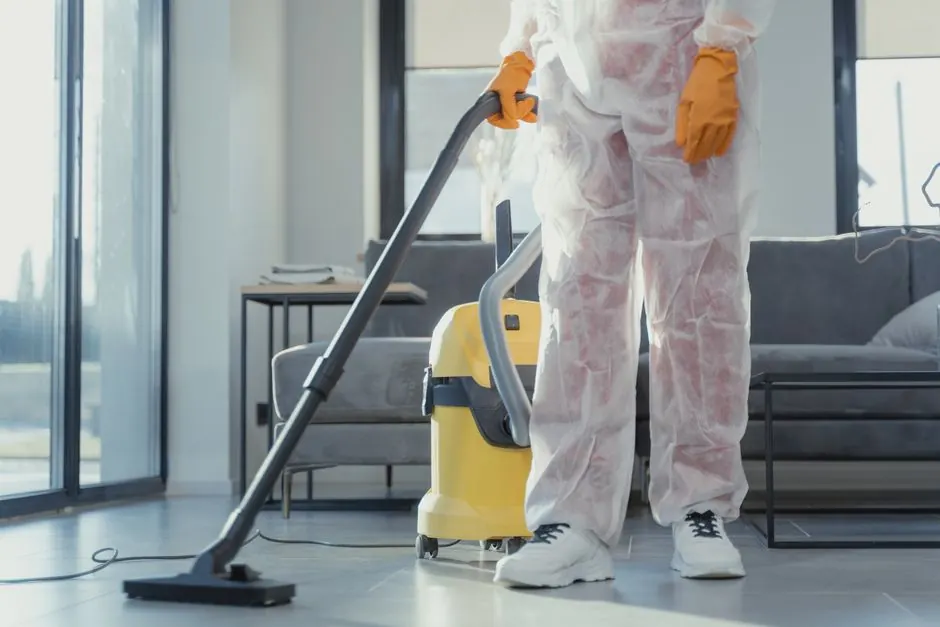
- Targeted room containment — In a Camp Croft bedroom, bathroom, or utility room, we isolate the affected work zone with polyethylene containment sheeting when conditions call for it. Furniture and nearby belongings are protected, and HEPA filtration helps control airborne debris. We keep the setup proportionate to the affected area so the rest of your home remains easier to use.
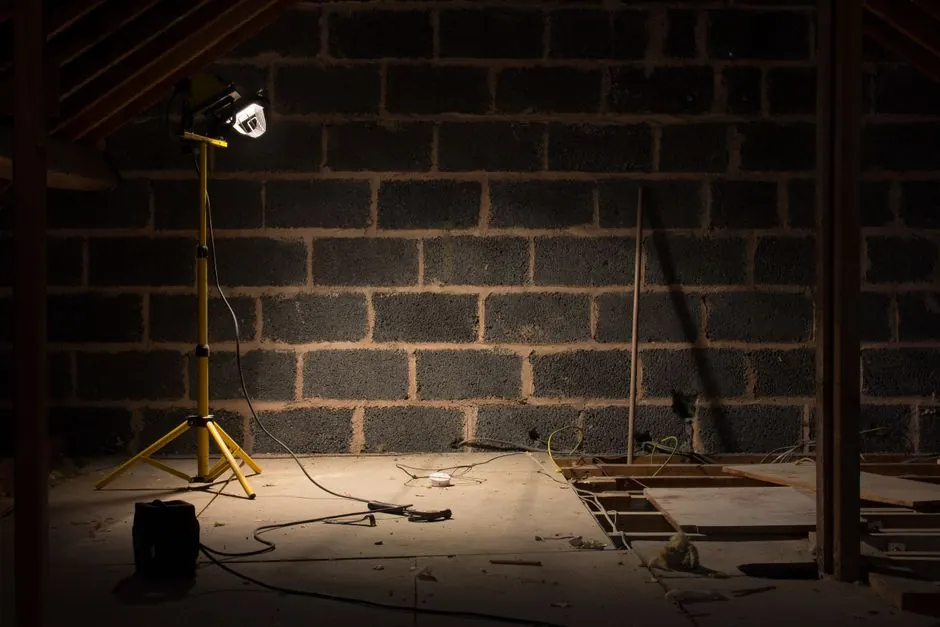
- Attic leak cleanup — For a Camp Croft attic stain, we inspect the sheathing and insulation around roof penetrations before choosing a cleanup boundary. Wet insulation is assessed for removal, and framing is measured as it dries. The roof leak must be corrected; otherwise, new rain can undo the cleanup and damage ceiling finishes again.
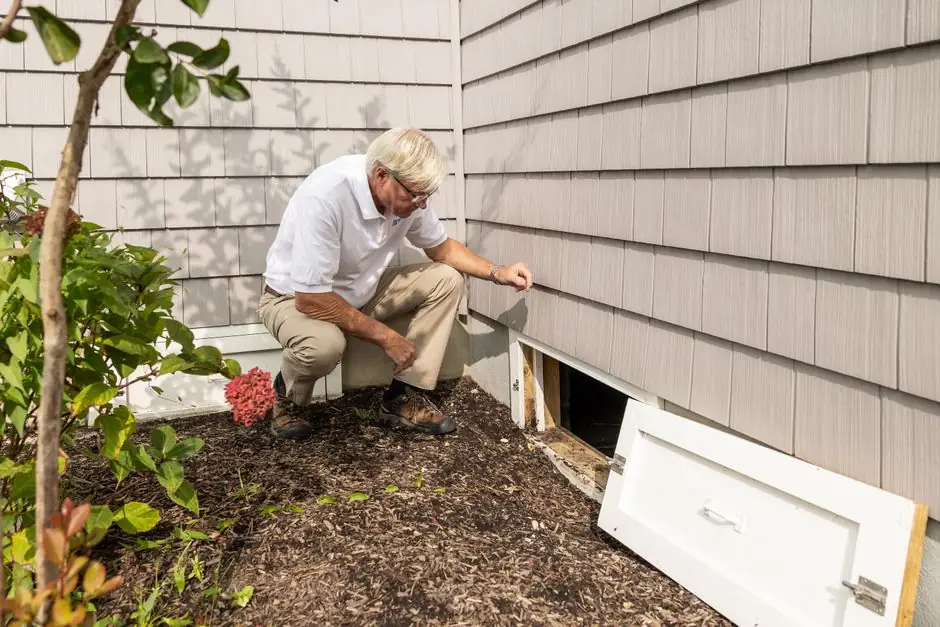
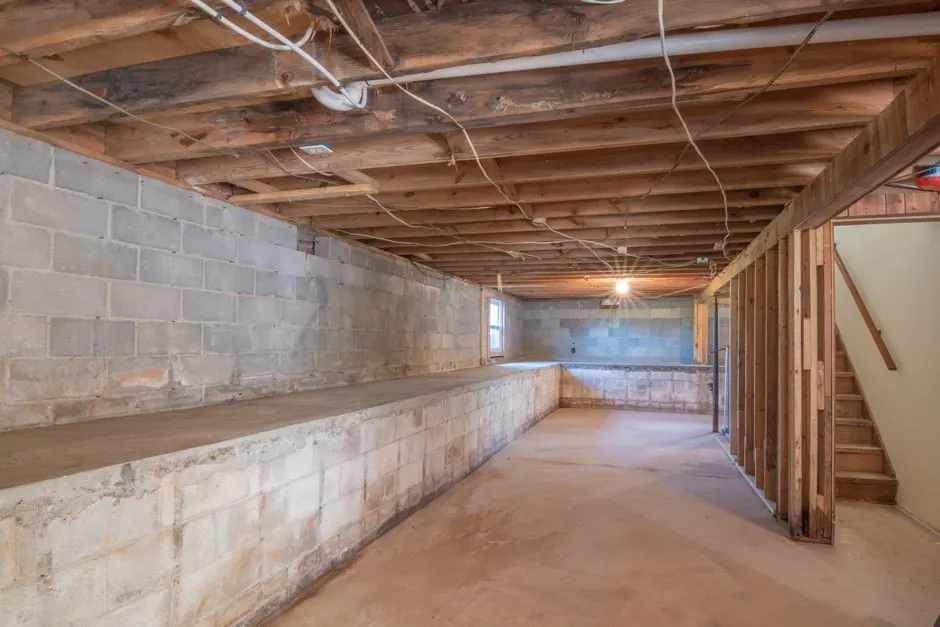
- Crawl-space moisture control — We inspect under Camp Croft homes for wet joists, plumbing leaks, standing water, and damaged insulation. A vapor barrier can help manage ground moisture when the conditions support it, but it is not a substitute for correcting active leaks or drainage problems. We dry and recheck materials before the work is complete.
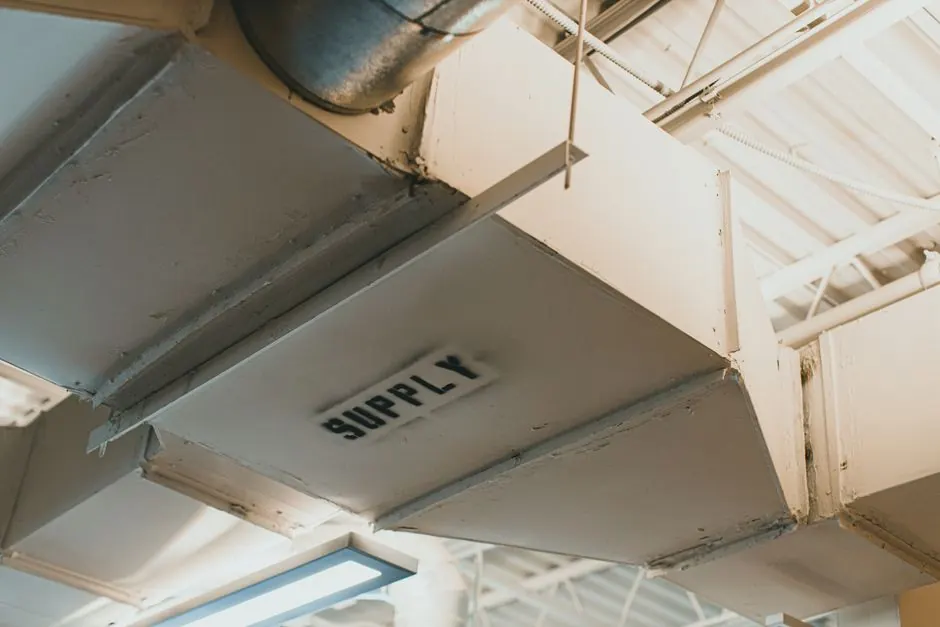
- HVAC-area mold assessment — If a Camp Croft household notices odor near a vent or condensation on HVAC components, we inspect the accessible surfaces and surrounding ceiling or wall materials. We look at drain conditions and moisture boundaries before recommending cleaning. This avoids treating one stained register as proof that the entire air distribution system needs remediation.