

Residential Mold Remediation in Chesterfield
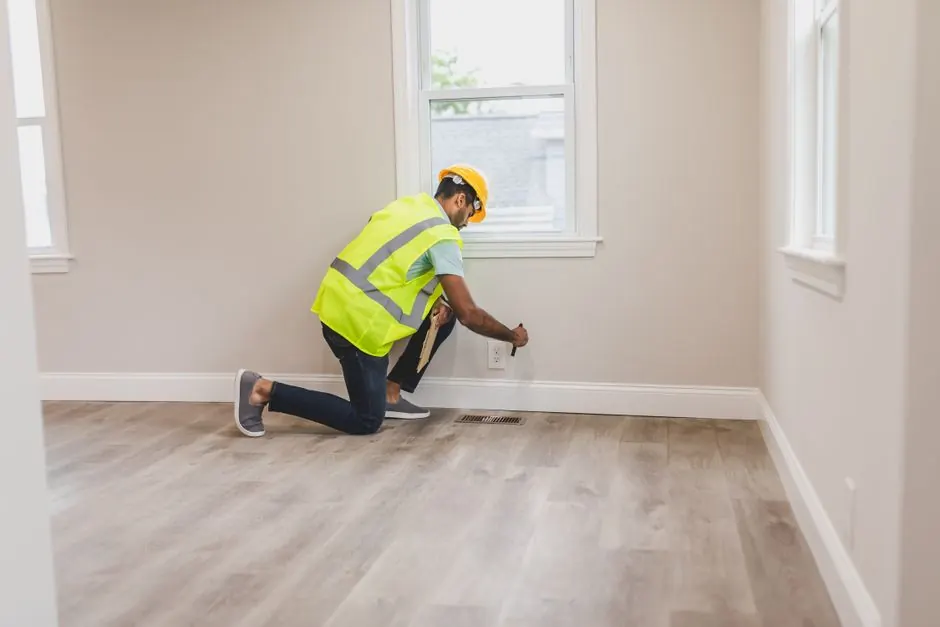
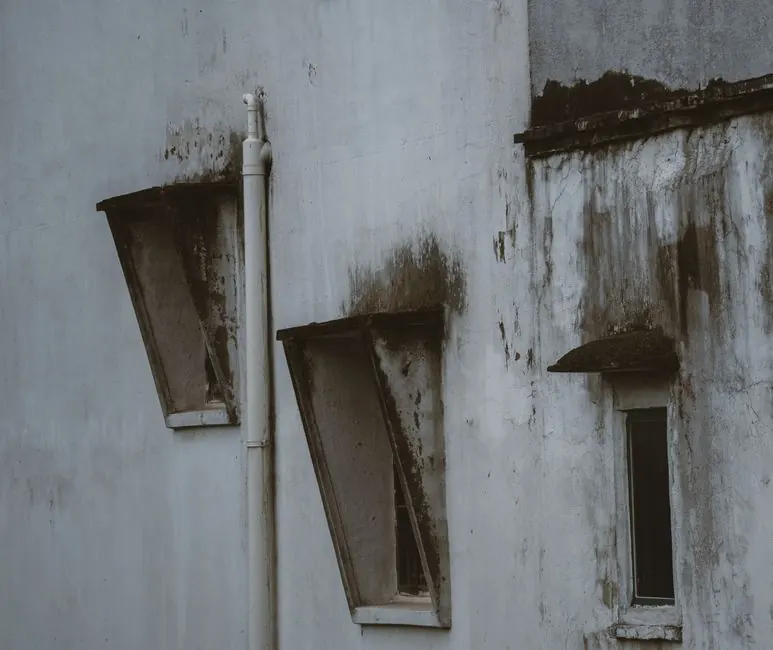
Residential mold removal in Chesterfield covers everything from a bathroom wall opened after a pipe leak to a damp crawl space beneath a rural home. Property layouts vary: older houses may have enclosed wall cavities, additions can create changes in airflow, and homes with attics or raised floors require checks beyond the living room stain. We plan around your household, isolate the work zone, and keep unaffected rooms accessible where the layout allows. Before removal, we explain what materials are affected and whether belongings need to move. After cleanup, our team checks moisture conditions and points out the source that must stay corrected. That gives you a practical route from visible damage to a dry, usable space.
- Leak-affected room cleanup — When a pipe leak wets drywall or flooring in your Chesterfield home, we locate the affected boundary and protect the route into the room. We remove porous material that cannot be cleaned, clean suitable framing, and dry the cavity. We also identify whether plumbing repair is needed to stop further wetting.
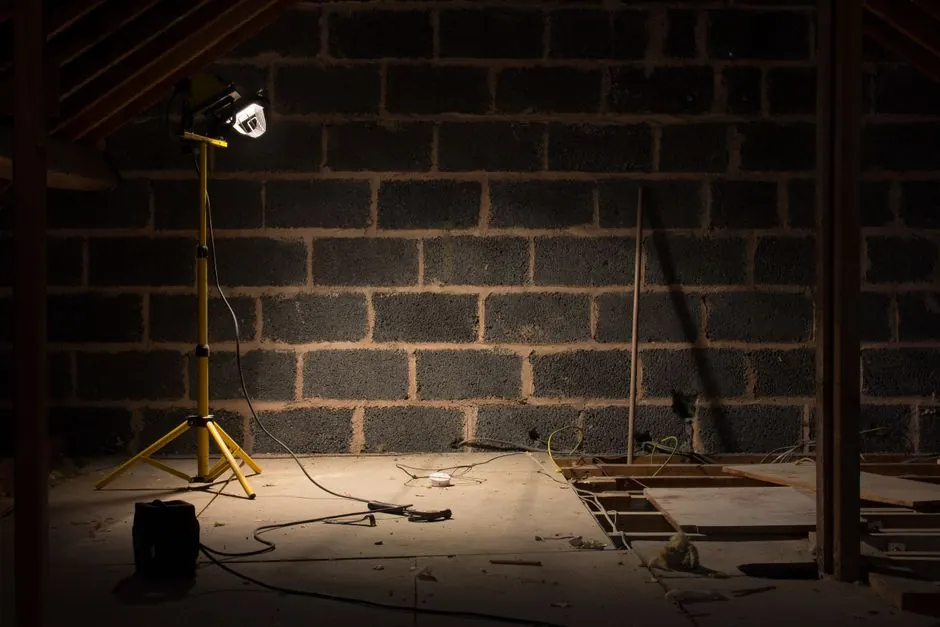
- Attic and roof leak cleanup — We inspect attic sheathing, rafters, and insulation after a roof leak rather than treating the ceiling stain alone. In Chesterfield homes, we follow the water path, remove insulation that cannot be salvaged, and dry affected structure. The roof opening must be corrected so the cleaned area stays dry.
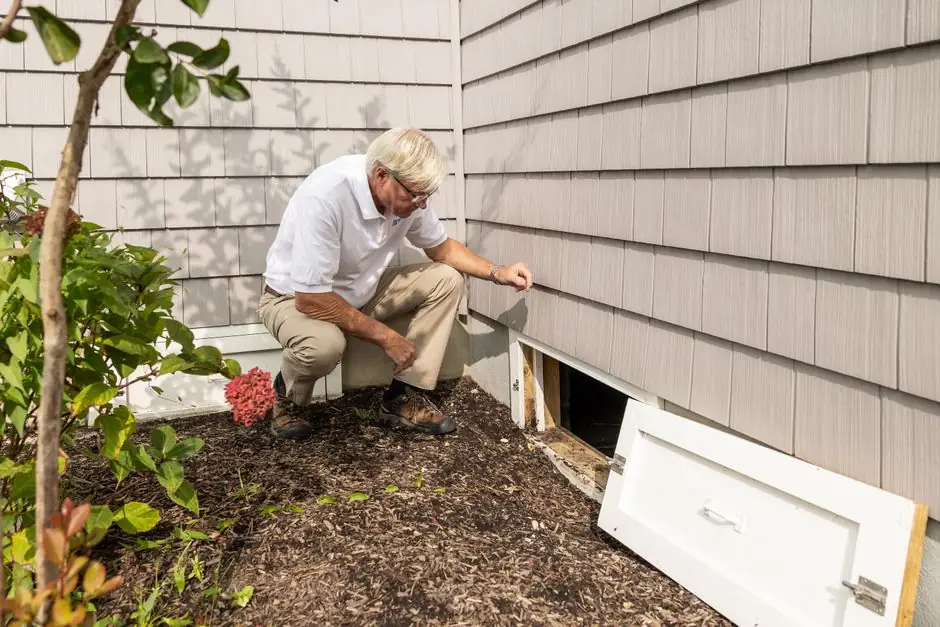
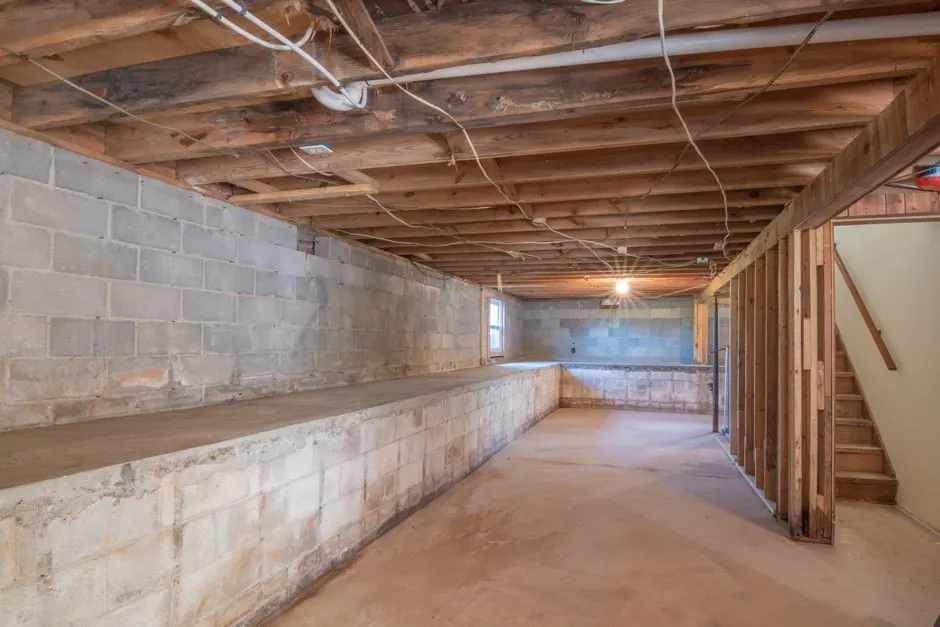
- Crawl space moisture removal — Our crew checks crawl space framing, insulation, and ground conditions at Chesterfield properties with raised floors. We contain removal, clean appropriate structural surfaces, and dry them with measured checks. If ground moisture is contributing, we discuss suitable vapor-barrier measures after the immediate mold and water issues are addressed.
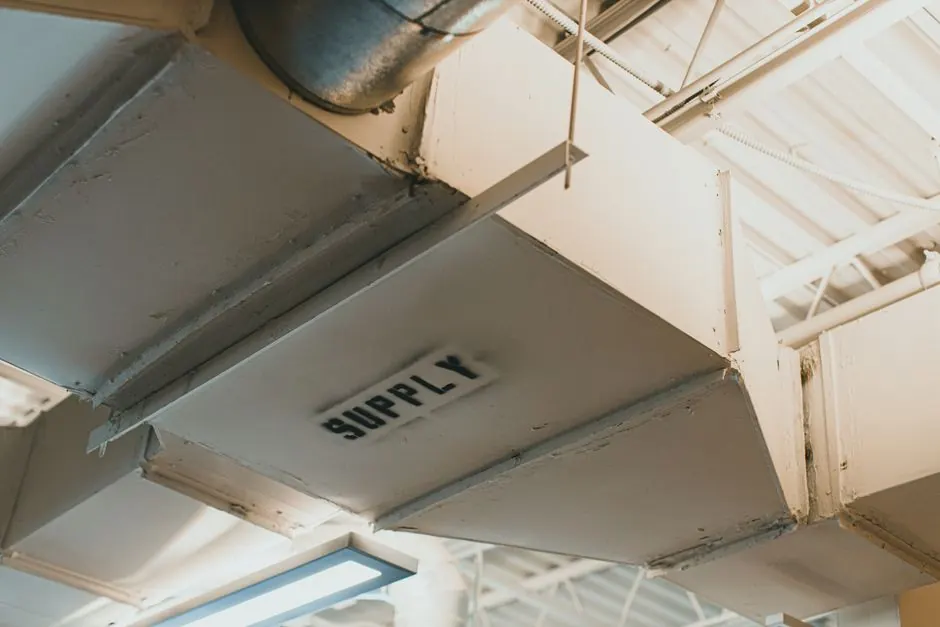
- HVAC condensation assessment — If you notice an odor near a vent or dampness around equipment, we inspect accessible HVAC components and nearby materials before recommending work. In your Chesterfield home, we look for condensation, drainage problems, or another source. We avoid broad duct-cleaning claims when the evidence points to a localized issue.