


Logo
Get Estimate

Mold Remediation in Clearwater After Leaks

Mold Remediation in Clearwater starts with finding why the affected material stayed wet, not simply wiping what you can see. South Carolina Mold Remediation serves Clearwater, South Carolina, with inspections, controlled removal, and moisture correction for homes and commercial spaces. We check roof and plumbing leaks, crawl spaces, HVAC components, and wall cavities before setting containment. You get a clear work plan focused on removing affected material and lowering the chance of recurring growth.

Call Our Team Request Inspection
Emergency inquiries Work area control Local coverage
Licensed Licensed & Bonded
Fully Insured Insured & Bonded
24/7 Emergency Same-Day Response
Warranty Backed Workmanship Guaranteed in Clearwater
Clearwater

Mold Remediation in Clearwater, SC


Mold Remediation in Clearwater is a building cleanup service that removes mold-contaminated materials, controls airborne dust, and addresses the moisture source that allowed growth. Clearwater sits in the Aiken area, where humid spells, heavy rain, and plumbing or roof leaks can leave building materials damp long enough for indoor mold growth. Our team approaches each property by locating the water path, measuring moisture, and separating affected rooms from clean areas before removal begins.

We provide mold inspection and assessment for homeowners, landlords, and local businesses dealing with musty rooms, visible growth, or water damage that did not dry promptly. Mold testing and sampling is available when the results will answer a specific question, such as whether a cleanup area is ready for re-occupancy. We do not treat a sample as a substitute for correcting a leak.

Clearwater properties include detached homes, rental housing, and small commercial buildings with different ventilation and access needs. We adapt containment to the room, explain what will be removed, and use HEPA filtration while work is underway. After cleanup, we recheck moisture conditions and identify practical steps to keep the area dry.

  • Locally licensed and insured in Clearwater
  • Same-day diagnostics and written estimates
  • Real workmanship warranty in writing
  • Background-checked, in-house technicians

Clearwater Mold Remediation Services

Clearwater mold calls often begin after a roof leak, a supply-line failure, or a humid crawl space that has stayed damp through several days of rain. We inspect the visible damage and nearby cavities because staining does not always show the full wet area. If you are searching for mold removal after a water leak in Clearwater, our first step is to locate and stop the moisture source, then set a safe work boundary. The service list below covers residential and commercial properties, from attic sheathing to HVAC-related growth.

Mold Remediation

Mold Remediation

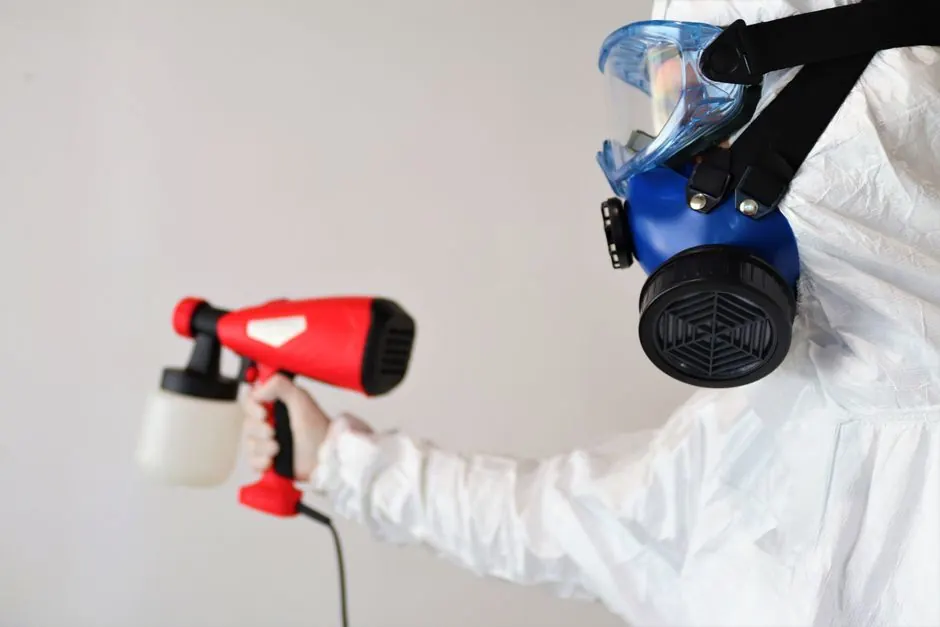
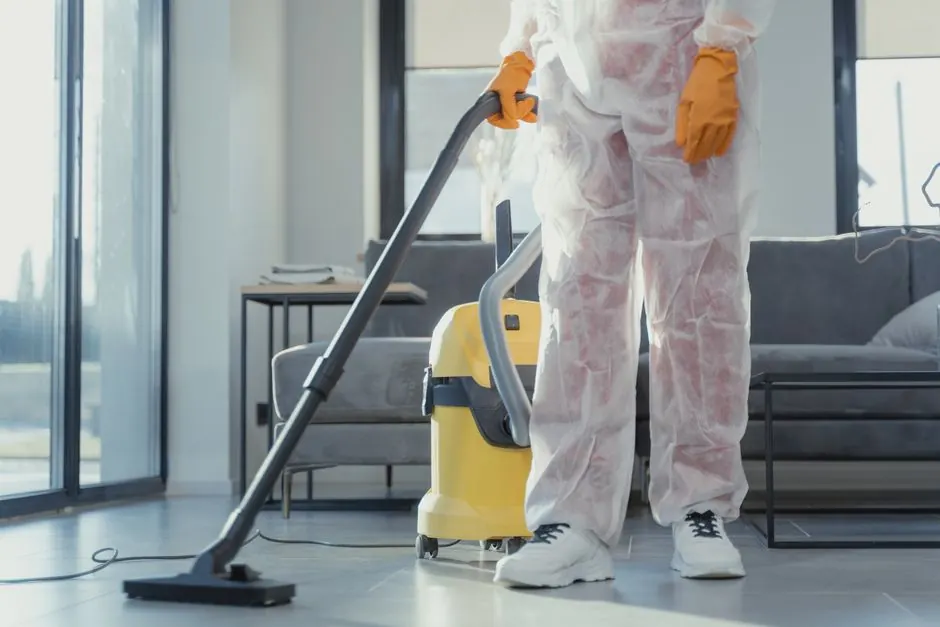
For Clearwater properties, we map the affected area, identify the moisture source, and establish containment before removing damaged materials. A HEPA air scrubber helps capture airborne particles during controlled work. We then clean remaining sound surfaces and check moisture readings so you know whether the leak repair or drying work is complete.

View Details
Mold Inspection and Assessment

Mold Inspection and Assessment

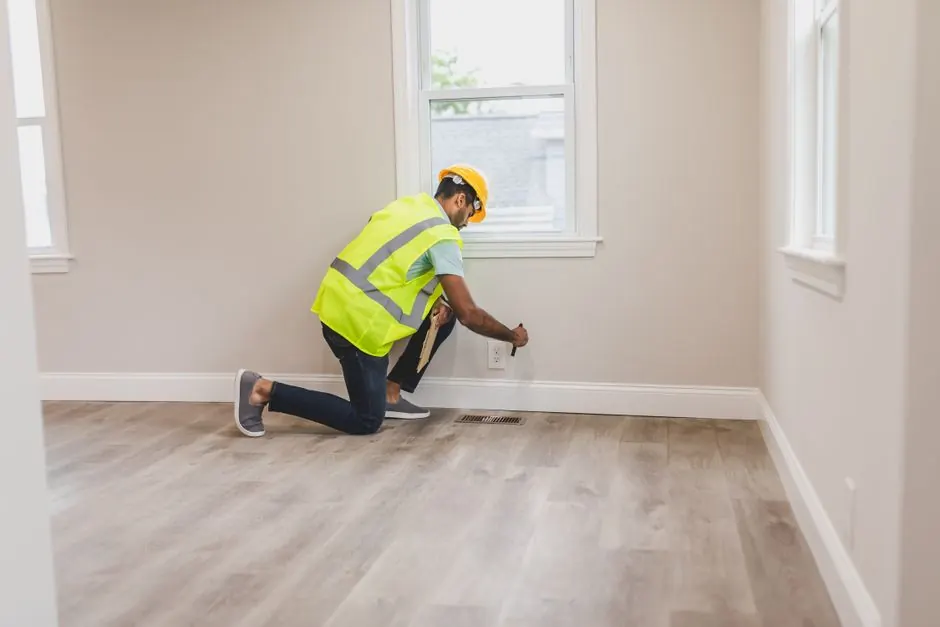
Our Clearwater inspection follows visible staining, musty odors, and water marks to likely sources such as roof edges, plumbing chases, or crawl-space framing. A moisture meter and thermal imaging camera help locate damp areas without opening every wall. We explain what is affected and which next step will answer your concern.

View Details
Mold Testing and Sampling

Mold Testing and Sampling

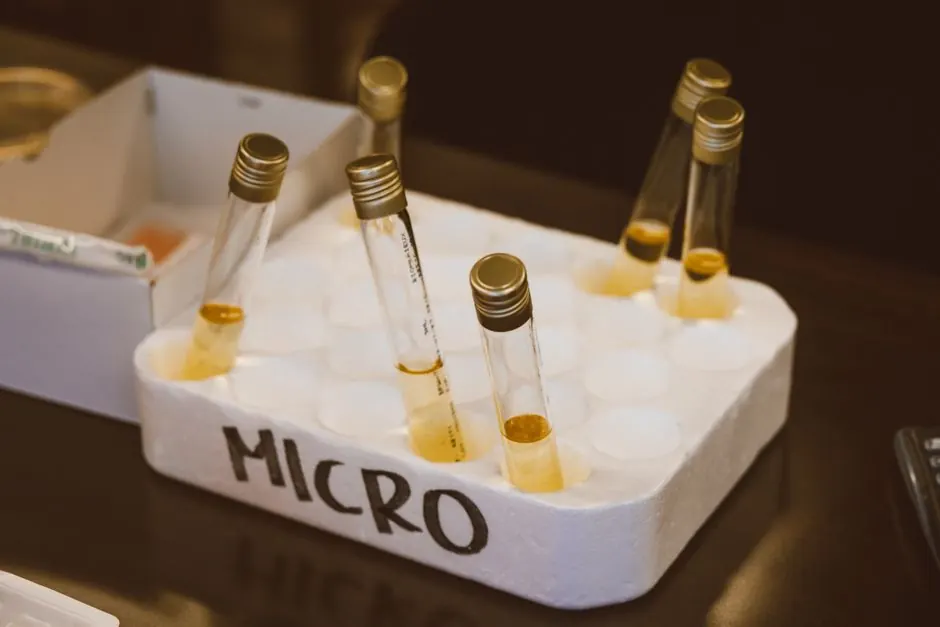
When a Clearwater property needs a defined air or surface sample, we select locations based on the inspection question and document the conditions at the time of collection. Testing can help compare indoor and outdoor findings or support a post-cleanup check. Results are interpreted alongside moisture evidence, not used alone to diagnose a building.

View Details
Black Mold Removal

Black Mold Removal

Dark growth in a Clearwater bathroom, utility area, or wall cavity needs careful identification and moisture control; color alone does not establish species or risk. We isolate the work zone, remove unsalvageable porous material, and clean appropriate surfaces with controlled methods. We also trace the leak or condensation pattern behind the growth.

View Details
Residential Mold Removal

Residential Mold Removal

For Clearwater homes, we plan around bedrooms, kitchens, pets, and daily access. The crew protects clean routes, uses containment where appropriate, and removes affected drywall or insulation only after establishing the wet boundary. We address common trouble spots such as attic leaks, under-sink plumbing failures, and damp crawl spaces.

View Details
Commercial Mold Remediation

Commercial Mold Remediation

Clearwater offices, shops, and other commercial spaces need a work sequence that limits interruption and keeps unaffected areas separated. We coordinate access, isolate the damaged room or section, and use filtered air control during removal. The plan accounts for operating hours, shared ventilation, stored contents, and the source repair needed to prevent return.

View Details
Attic Mold Remediation

Attic Mold Remediation

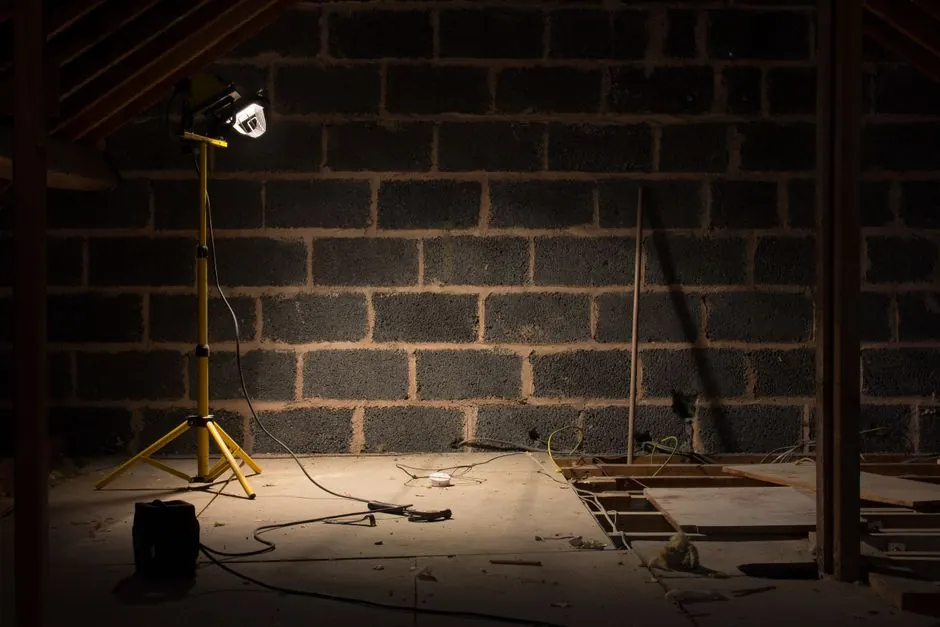
In Clearwater attics, we inspect roof sheathing, framing, insulation, and ventilation conditions when staining follows a leak or persistent condensation. We identify whether the moisture came from roof entry or indoor air movement before removing affected material. The work area is contained, debris is controlled, and the roof or ventilation issue is flagged for correction.

View Details
Crawl Space Mold Remediation

Crawl Space Mold Remediation

Clearwater crawl spaces can remain humid when drainage, plumbing, or ground moisture is not controlled. We inspect framing and insulation, take moisture readings, and check the condition of the crawl space vapor barrier. If growth is present, we remove affected materials and clean sound surfaces after the source of dampness is addressed.

View Details
Basement Mold Removal

Basement Mold Removal

Where a Clearwater property has a below-grade or partly below-grade room, we check for seepage, plumbing leaks, and damp stored materials. We separate affected porous contents from clean areas, remove material that cannot be restored, and dry the space with suitable equipment. The goal is to resolve the moisture pattern, not cover the stain.

View Details
HVAC and Air Duct Mold Remediation

HVAC and Air Duct Mold Remediation

If Clearwater occupants notice an odor that changes when the system runs, we inspect accessible HVAC components for condensation and visible growth. We determine whether the problem is limited to a drain pan or extends into nearby materials. Cleaning is paired with correcting drainage, insulation, or humidity conditions that keep components wet.

View Details
Mold Remediation in Clearwater
Service · #1

Mold Remediation in Clearwater


Mold Remediation in Clearwater addresses active growth and the moisture that allows it to return. In homes around Clearwater's established neighborhoods, humid summers, heavy rain, and slow-drying interiors can affect drywall, trim, and stored belongings. South Carolina Mold Remediation identifies the affected materials, contains the work area, and removes contamination using a plan suited to the building, helping residents restore cleaner, usable spaces.

Finding Moisture Sources

Remediation begins by tracing dampness to its source rather than treating visible discoloration alone. Technicians check plumbing, roof penetrations, window seals, and ventilation in Clearwater homes, where summer humidity can keep materials wet after a leak. This careful assessment helps distinguish a one-time water event from an ongoing condition and guides practical repairs before removal work proceeds.

Containing Affected Rooms

Before disturbing contaminated materials, crews isolate the work zone and use appropriate protective measures to limit dust movement. This mold remediation process is adapted to the room layout, whether the affected area is a bathroom in an older house or a utility room in a newer Clearwater property. Contents and unaffected surfaces receive protection, and debris is handled in a controlled manner.

Restoring Clean Surfaces

After removal, technicians clean remaining structural surfaces and check that materials are dry enough for repair or replacement. Clearwater's humid climate makes moisture control essential, so the team can recommend ventilation improvements, leak repairs, or other preventive steps. The goal is a well-documented, orderly restoration that addresses both visible growth and the conditions that supported it.

  • Moisture-source findings documented for affected rooms and building materials
  • Work-area containment installed to protect adjoining living spaces
  • Contaminated porous materials removed and securely packaged for disposal
  • Post-remediation cleaning and moisture-control recommendations provided

Mold Inspection and Assessment in Clearwater


Mold inspection and assessment in Clearwater helps property owners understand suspicious odors, stains, or damp materials before choosing a response. South Carolina Mold Remediation examines homes and businesses across Clearwater, considering local humidity, recent storms, and building features such as crawl spaces and attic ventilation. The assessment records visible conditions, moisture readings, and likely sources so clients can make informed decisions about repairs or remediation.

  1. 01

    Systematic Interior Review

    An inspection covers rooms where moisture commonly collects, including bathrooms, kitchens, closets, and utility areas. In Clearwater's mix of established houses and newer construction, the assessor also looks behind accessible finishes and around windows or plumbing fixtures. A mold inspection helps connect visible signs with building conditions, giving property owners a clearer account of where attention is needed and what should be monitored.

  2. 02

    Moisture Mapping And Notes

    Technicians use suitable moisture-measuring tools to compare affected areas with nearby dry materials. They note staining, material deterioration, ventilation concerns, and any musty odors without assuming every discoloration is mold. Clearwater's warm, humid weather can prolong drying after roof leaks or plumbing failures, so careful readings help establish whether materials remain damp and whether further investigation is warranted.

  3. 03

    Clear Findings For Decisions

    A useful assessment explains observations in plain language and prioritizes next steps. The findings can identify likely water sources, affected building components, and areas that may require testing or controlled removal. For Clearwater owners managing storm-related damage or recurring condensation, the report provides a practical starting point for repair planning and helps avoid unnecessary work when evidence does not support it.

  • Room-by-room visual observations recorded with location details
  • Moisture readings collected from selected building materials
  • Likely water entry points and contributing conditions identified
  • Written findings organized into practical next-step recommendations
Mold Inspection and Assessment in Clearwater

02 / 10

Service

5+ YEARS · CLEARWATER

Mold Testing and Sampling in Clearwater

Mold testing and sampling in Clearwater can provide additional information when visible conditions or indoor concerns need clarification. South Carolina Mold Remediation selects sampling methods based on the property and the questions being investigated, rather than relying on a one-size-fits-all approach. In Clearwater, humid weather and storm-related moisture may affect indoor conditions, so samples are interpreted alongside a visual inspection and moisture findings.

Choosing Suitable Samples

Sampling plans depend on the concern, the suspected source, and the areas accessible for evaluation. A mold air test may be considered when clients need information about airborne particles, while surface sampling can help examine a specific spot. In Clearwater homes, the team first reviews leaks, odors, and damp materials so testing answers a focused question rather than replacing a thorough inspection.

Careful Collection Procedures

Samples are collected using appropriate tools and handling practices to reduce the risk of contamination during the process. Technicians record the location and conditions surrounding each sample, including nearby moisture or visible damage. Because Clearwater's outdoor humidity and recent rainfall can influence indoor readings, documenting the setting helps provide context when results are reviewed.

Results With Useful Context

Laboratory results are explained together with inspection observations, not treated as a standalone verdict on a building. The report describes what was sampled, what the findings indicate, and where repairs or further investigation may be sensible. For property owners in Clearwater, this context helps distinguish a sampling result from the more important question of whether a moisture source remains active.

  • Sampling locations selected to address specific indoor concerns
  • Air or surface samples collected with documented handling procedures
  • Laboratory findings reviewed alongside visible and moisture observations
  • Results summary provided with recommended follow-up actions
Black Mold Removal in Clearwater

Black Mold Removal in Clearwater


Black mold removal in Clearwater starts with a careful assessment, not assumptions based on color alone. Dark staining can have different causes, and the appropriate response depends on the material, extent, and moisture source. South Carolina Mold Remediation evaluates affected areas in Clearwater properties, then uses containment and controlled removal where warranted. The process also addresses damp conditions common during the region's humid summers and rainy periods.

Darkened surfaces assessed alongside moisture and surrounding materials

Promise

“Technicians inspect stained surfaces, nearby materials, and likely water entry points before recommending removal. Appearance alone cannot establish mold type, so the team considers moisture readings and the full cond…”

— Clearwater customer
Assessing Dark Growth +

Technicians inspect stained surfaces, nearby materials, and likely water entry points before recommending removal. Appearance alone cannot establish mold type, so the team considers moisture readings and the full condition of the area. In Clearwater houses, recurring leaks near windows, bathrooms, or rooflines can leave dark marks that require a measured evaluation and a repair plan suited to the source.

Safe Controlled Removal +

When removal is appropriate, crews isolate the affected zone, protect adjacent rooms, and remove contaminated materials using controlled procedures. This black mold removal service focuses on reducing dust and preventing debris from spreading through the property. Clearwater residents receive a work plan that reflects the affected surface and building layout, with disposal and cleaning handled as part of the documented project.

Preventing Repeat Growth +

Removing visible material is only part of the solution if the area stays wet. The team checks whether a plumbing leak, roof issue, or ventilation problem needs correction and explains suitable moisture-control steps. Clearwater's warm, damp seasons can challenge drying, so prompt repairs and appropriate airflow help protect cleaned surfaces and reduce the chance that the same location will develop problems again.

  • Darkened surfaces assessed alongside moisture and surrounding materials
  • Containment barriers installed around the affected work area
  • Impacted materials removed and debris prepared for controlled disposal
  • Moisture-source correction needs documented for property owners
Residential Mold Removal in Clearwater
Service · #5

Residential Mold Removal in Clearwater


Residential mold removal in Clearwater helps homeowners address growth while protecting the rest of the household. South Carolina Mold Remediation works in properties ranging from older homes with crawl spaces to newer houses with tightly sealed interiors. The crew identifies affected materials, controls the work area, and removes contamination according to site conditions. Attention to local humidity, plumbing leaks, and storm-driven water helps shape a suitable cleanup plan.

Protecting Everyday Living

A home project needs to account for family routines, pets, furnishings, and access between rooms. Crews discuss the affected space with homeowners and establish appropriate barriers before work begins. This residential mold removal approach is especially useful in Clearwater homes where bedrooms, kitchens, or shared hallways sit close to the source, allowing the team to limit disruption while keeping the work focused.

Removing Affected Materials

Technicians determine whether porous items can be cleaned or should be removed, based on their condition and exposure. They protect belongings near the work zone and handle affected drywall, insulation, or trim with care. In Clearwater's humid conditions, materials may retain moisture longer after a leak, so removal decisions consider both visible growth and the likelihood of adequate drying.

Guidance After Cleanup

Once the affected area is cleaned, homeowners receive information about repairs and moisture management that can help prevent recurrence. Recommendations may address a bathroom exhaust fan, roof leak, plumbing connection, or crawl-space condition. For Clearwater residents, addressing these underlying factors is important because repeated humid weather can expose weaknesses in ventilation and water control.

  • Home-specific work plan prepared around affected rooms and access
  • Household contents near remediation zones protected before removal
  • Contaminated residential materials removed and work areas cleaned
  • Homeowner receives repair priorities and moisture-prevention guidance

Commercial Mold Remediation in Clearwater


Commercial mold remediation in Clearwater helps businesses respond to moisture damage while considering employees, customers, and daily operations. South Carolina Mold Remediation evaluates affected offices, retail spaces, and other commercial interiors, then plans containment and removal around the building's use. Clearwater's humid climate and seasonal storms can affect roofs, HVAC equipment, and storage areas, making prompt investigation valuable for limiting disruption and protecting building materials.

  1. 01

    Planning Around Business Hours

    Commercial projects begin with a review of access, occupancy, and the spaces that must remain operational. The team coordinates work boundaries and scheduling with property representatives, accounting for shared corridors or neighboring tenants. For Clearwater businesses, a commercial mold remediation plan can help reduce interruption while ensuring affected areas are isolated and workers understand the route around the work zone.

  2. 02

    Tracing Building Moisture

    Assessors check the affected materials and investigate likely sources such as roof assemblies, plumbing lines, mechanical rooms, and exterior openings. Clearwater's downpours and humid air can expose weaknesses that are less apparent during dry periods. Identifying the source informs the scope of removal and gives managers clear direction on repairs needed before cleaned spaces are returned to regular use.

  3. 03

    Documenting Work Progress

    Commercial property owners benefit from organized records of conditions, containment, removal, and cleaning. Technicians document project steps and communicate relevant findings to the designated contact, supporting coordination with maintenance teams or contractors. In Clearwater, this clear project record helps facilities staff track repairs and follow-up actions, especially when remediation affects multiple rooms or shared building systems.

  • Site-specific containment and access plan prepared for building occupants
  • Moisture sources inspected across affected commercial spaces
  • Removal and cleaning activities documented for property representatives
  • Repair and reopening considerations communicated to facility contacts
Commercial Mold Remediation in Clearwater

06 / 10

Service

5+ YEARS · CLEARWATER

Attic Mold Remediation in Clearwater

Attic mold remediation in Clearwater addresses growth that may develop when roof leaks, ventilation issues, or indoor moisture affect the roof space. South Carolina Mold Remediation checks sheathing, framing, insulation, and ventilation pathways to determine the extent of the problem. Clearwater's humid summers and heavy rain can place added demands on roof assemblies, so the team connects cleanup decisions with the conditions that allowed attic materials to remain damp.

Inspecting Roof Space Conditions

Attic assessments look for water marks, damp insulation, staining on sheathing, and restricted airflow. Technicians also consider roof penetrations and bathroom exhaust ducts that may release moisture into the space. In Clearwater homes, a thorough attic mold remediation plan begins with identifying whether moisture came from outside leaks or indoor condensation, since each source calls for different corrective work.

Cleaning Framing And Sheathing

The appropriate treatment depends on the material's condition and the extent of affected growth. Crews establish safe access and containment, remove materials that cannot be salvaged, and clean suitable structural surfaces. This work is performed with attention to insulation and stored items, which can be affected by debris or disturbed dust during attic cleanup in Clearwater properties.

Improving Attic Moisture Control

After remediation, the team explains which building conditions require attention, such as roof repairs, blocked vents, or improperly routed exhaust fans. Clearwater's warm, moisture-laden air makes balanced ventilation and a sound roof assembly important. Correcting these issues helps the attic dry more reliably and reduces the chance that cleaned framing or replacement insulation will face the same problem.

  • Attic sheathing, framing, and insulation inspected for moisture damage
  • Affected materials identified for cleaning or removal
  • Roof leaks and ventilation concerns recorded for repair planning
  • Post-cleanup moisture-control recommendations prepared for homeowners
Crawl Space Mold Remediation in Clearwater

Crawl Space Mold Remediation in Clearwater


Crawl space mold remediation in Clearwater targets damp conditions beneath homes that can affect framing, insulation, and indoor comfort. Many local properties have raised foundations where groundwater, plumbing leaks, or humid air may collect. South Carolina Mold Remediation assesses the space, identifies affected materials, and plans controlled cleanup alongside moisture corrections. The work reflects Clearwater's wet seasons and the specific access and foundation conditions of each property.

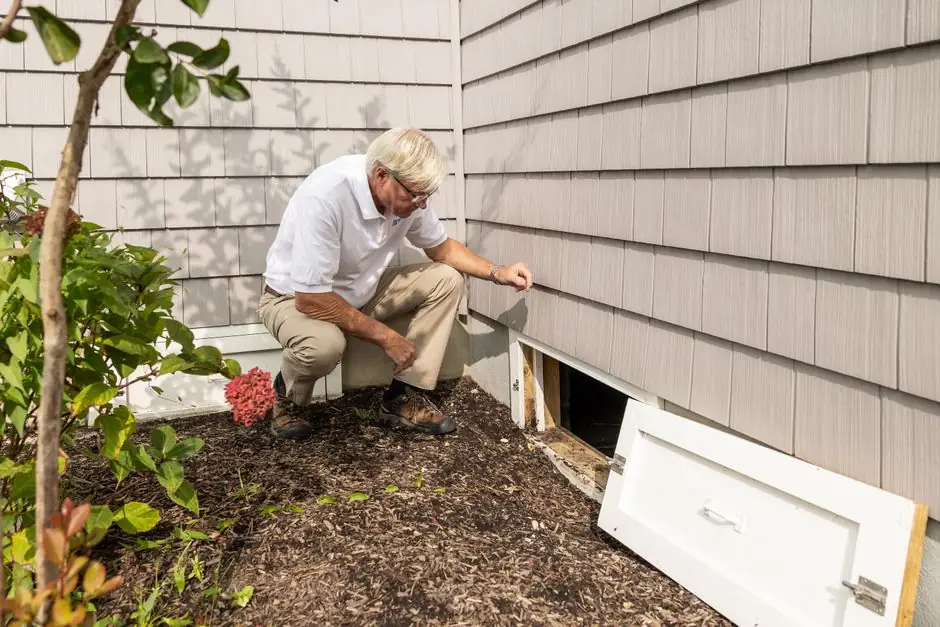
Accessible crawl space framing and insulation assessed for damage

Promise

“Technicians examine accessible joists, subflooring, insulation, and ground coverings for visible growth or water-related damage. They look for plumbing drips, standing water, and signs of outside drainage problems. In…”

— Clearwater customer
Checking Underfloor Conditions +

Technicians examine accessible joists, subflooring, insulation, and ground coverings for visible growth or water-related damage. They look for plumbing drips, standing water, and signs of outside drainage problems. In Clearwater, prolonged humidity can keep crawl spaces damp even without a major flood, making a crawl space mold remediation assessment useful for locating conditions hidden beneath the living area.

Cleaning Structural Materials +

When remediation is needed, the work plan accounts for confined access, affected framing, and nearby utilities. Crews use appropriate protective practices, remove unsalvageable materials, and clean suitable surfaces while limiting debris movement into the home. The scope is tailored to each Clearwater foundation, since crawl space dimensions and stored materials can vary significantly from one property to another.

Reducing Ground Moisture +

Cleanup must be paired with attention to why the crawl space became damp. Recommendations may include correcting leaks, improving drainage, managing ground moisture, or reviewing ventilation conditions. Clearwater's frequent rain and humid air make these checks especially relevant, and addressing the source helps protect repaired framing from repeated wetting after the remediation work is complete.

  • Accessible crawl space framing and insulation assessed for damage
  • Water entry, plumbing leaks, and drainage concerns recorded
  • Affected materials removed or cleaned according to condition
  • Ground-moisture control recommendations provided for property owners
Basement Mold Removal in Clearwater
Service · #9

Basement Mold Removal in Clearwater


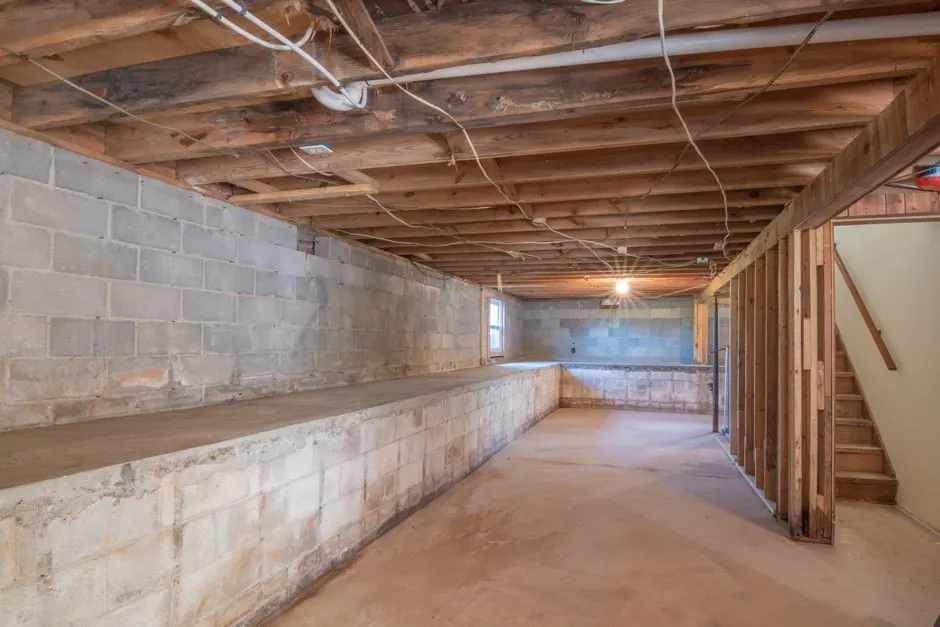
Basement mold removal in Clearwater begins by locating the dampness behind growth on walls, stored items, or finished surfaces. South Carolina Mold Remediation evaluates the affected area and checks for seepage, plumbing leaks, condensation, and ventilation concerns. Although basement layouts vary across Clearwater properties, humid weather and heavy rain can increase moisture pressure around foundations, making careful assessment and source correction important parts of the removal plan.

Identifying Basement Dampness

The inspection considers foundation walls, floor edges, utility penetrations, and finished areas where moisture can remain concealed. Technicians document visible staining and use appropriate readings to understand whether materials are still wet. In Clearwater, rainfall and high outdoor humidity can contribute to basement dampness, so tracing the pattern helps distinguish seepage from leaks or condensation before removal begins.

Removing Affected Finishes

When contaminated materials cannot be effectively cleaned, crews remove them in a controlled manner and protect adjoining rooms. Drywall, baseboards, insulation, or stored contents are evaluated according to their condition. This basement mold removal service is tailored to the layout of each Clearwater property, with containment and debris handling planned to keep the rest of the home protected.

Supporting A Drier Basement

After cleanup, technicians identify repairs and moisture-management steps that may help prevent another episode. These can include addressing a plumbing fault, improving drainage, or managing indoor humidity. Because Clearwater's rainy periods can increase moisture around foundation walls, practical follow-up guidance helps homeowners prioritize corrections before replacing finishes or returning stored belongings to the space.

  • Basement walls and finishes checked for visible moisture damage
  • Likely seepage, condensation, or plumbing sources identified
  • Unsuitable contaminated finishes removed with debris contained
  • Drying and moisture-management priorities shared with homeowners

HVAC and Air Duct Mold Remediation in Clearwater


HVAC and air duct mold remediation in Clearwater investigates suspected growth around air handlers, drain pans, and duct components. South Carolina Mold Remediation assesses the equipment and nearby building conditions before defining an appropriate scope. Clearwater's long cooling season and humid air can place sustained demands on HVAC systems, while drainage or insulation problems may create damp surfaces that require correction as well as careful cleaning.

  1. 01

    Inspecting HVAC Components

    The team checks accessible air-handler areas, condensate pans, coils, and duct surfaces for moisture conditions or visible contamination. Findings are considered alongside drainage, filter fit, and nearby insulation. In Clearwater, extended air-conditioning use can expose weaknesses in condensate management, so an HVAC mold inspection helps determine whether concerns are localized to equipment or connected to broader indoor moisture.

  2. 02

    Cleaning Appropriate Surfaces

    The recommended work depends on the component, its condition, and the type of material involved. Technicians protect surrounding areas and use suitable methods for accessible surfaces, while damaged porous materials may require replacement. This air duct mold cleanup process is planned for the specific Clearwater system rather than applying the same treatment to every duct or mechanical assembly.

  3. 03

    Correcting Condensation Problems

    Remediation is more durable when the cause of excess moisture is addressed. The team notes concerns such as clogged drain lines, poorly insulated ducts, or high indoor humidity and explains which repairs should be coordinated with an HVAC professional. Clearwater's humid climate makes condensate drainage and equipment maintenance important for limiting recurring dampness around mechanical components.

  • Accessible air handlers, drain pans, and duct surfaces assessed
  • Condensation and drainage concerns documented for follow-up
  • Suitable HVAC components cleaned or identified for replacement
  • System-specific moisture-control recommendations delivered to owners
HVAC and Air Duct Mold Remediation in Clearwater

10 / 10

Service

Residential Mold Remediation

Residential Mold Remediation for Clearwater Homes

Clearwater homes range from established detached houses to rentals and properties with later additions, so the inspection has to fit the structure. A roof leak may affect attic sheathing and insulation; a slow plumbing leak can reach cabinet bases and wall cavities; crawl-space moisture can affect floor framing. We check the source before deciding what to remove. Residential mold removal also needs a practical plan for bedrooms, pets, stored belongings, and the routes your family uses each day. We isolate the work zone, protect the route, and explain which rooms need to stay clear. After cleanup, we recheck moisture and tell you what repairs must happen before drywall, insulation, or trim goes back.

  • Attic leak cleanup and drying — For Clearwater homes with a roof stain, we inspect the attic side where access allows and check sheathing, framing, and insulation. We remove wet porous material that cannot be cleaned, control debris, and flag roof repairs needed before replacement. Drying readings help determine when the area is ready for rebuilding.
  • Crawl-space framing remediation — We inspect Clearwater crawl spaces for damp insulation, affected joists, plumbing leaks, and vapor-barrier problems. After controlling the moisture source, we remove contaminated material and clean sound surfaces. You receive a clear account of the remaining drainage or barrier work needed to keep the space dry.
  • Bathroom and kitchen leak response — A slow leak below a sink or around a tub can soak a cabinet, wall, or floor edge before it becomes obvious. In Clearwater, we trace the wet boundary with moisture readings, remove material that cannot be restored, and coordinate the cleanup sequence after the plumbing leak is corrected.
  • HVAC closet and duct-area checks — If a Clearwater home has a musty odor near the air handler, we inspect the condensate drain, nearby surfaces, and accessible HVAC components. We separate confirmed growth from ordinary dust, remove affected porous materials when required, and address the damp condition before the closet is closed.
Commercial Mold Remediation

Commercial Mold Remediation in Clearwater

Clearwater businesses need remediation that controls dust and keeps the unaffected part of the property usable where conditions allow. Offices, shops, service buildings, and other occupied spaces may share hallways, storage, or HVAC components, so we plan the work boundary and access route before removal. For a business asking how to keep operations open during mold cleanup in Clearwater, we first determine whether the affected section can be isolated from staff and customers. Then we coordinate the sequence around operating hours, contents, and repairs to the water source. The goal is a contained job with clear communication about which rooms are available.

Professional officesRetail shopsProperty managementChildcare facilitiesService businesses

Common Clearwater Mold Problems

Clearwater's humid South Carolina summers, periods of heavy rain, and warm indoor air meeting cool HVAC surfaces all influence moisture conditions. A roof leak can wet attic sheathing, while a plumbing failure can soak wallboard before a stain appears. Crawl spaces need separate attention because ground moisture and drainage conditions affect the underside of a home. Our mold inspection and assessment checks the source, the building materials, and the size of the affected area before we recommend removal.

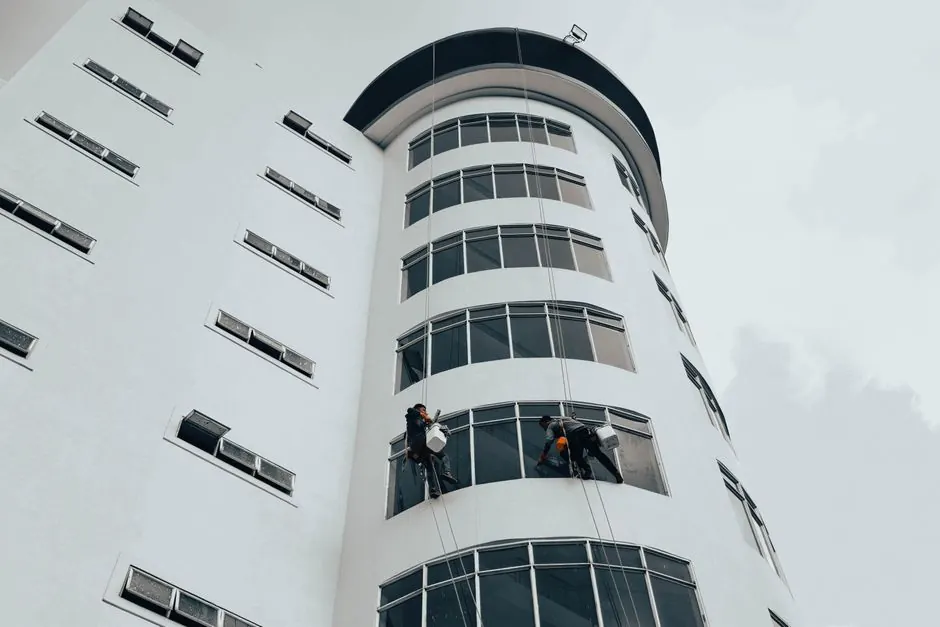
Attic mold growth after roof leaks or repeated condensation

Water can enter around roof penetrations or flashing and travel across sheathing. Condensation can also develop when warm, moist indoor air reaches cooler attic surfaces. In Clearwater, rain events make it important to distinguish a roof leak from an indoor humidity problem before cleanup begins.

Crawl-space moisture affecting insulation and floor framing

Ground moisture, drainage issues, or plumbing leaks can keep the crawl space humid. Damp insulation may hide growth on joists and subflooring, while odor moves into occupied rooms through gaps around pipes. A damaged or displaced vapor barrier can leave soil moisture uncontrolled.

Wall and cabinet mold after slow plumbing leaks

A small leak beneath a sink or behind an appliance can wet cabinet bases and wallboard for days before it becomes visible. Clearwater homes with additions or older plumbing layouts may have concealed pipe runs that complicate tracing the source.

Condensation around HVAC components and nearby surfaces

High indoor humidity, a clogged condensate drain, or poorly insulated components can leave water around an air handler or duct connection. Repeated wetting can affect nearby drywall and stored items, even when the equipment appears to run normally.

When to Call Clearwater Mold Pros

Call for Mold Remediation in Clearwater when you find visible growth, a musty smell that persists after a leak, or building materials that remain damp after cleanup. A small stain can mark a larger wet cavity, especially below a roof leak or beside plumbing. If you are asking how to remove mold after a Clearwater crawl space floods, do not cover the odor with fragrance or paint; first find standing water, wet insulation, and affected framing. The sooner the source is controlled, the easier it is to limit material removal.

  • Musty odor returns after surface cleaning

    A smell that returns often points to moisture or growth behind a baseboard, beneath flooring, or inside a wall cavity. In Clearwater homes, check whether the odor changes after rain or when the HVAC system starts. Do not seal the surface before the hidden area is inspected.

  • Ceiling stain expands after rainfall

    A spreading stain suggests water is entering through the roof or moving along framing. The affected insulation may be wet even if the ceiling still feels firm. Arrange an inspection promptly and have the roof leak corrected before replacing ceiling material.

  • Crawl-space insulation hangs or smells damp

    Sagging insulation can indicate prolonged moisture, while an earthy odor may travel into living rooms through floor openings. Check for standing water or a damaged vapor barrier if it is safe to do so. Do not disturb visibly contaminated material without containment.

  • Dark growth appears around a plumbing leak

    Growth near a sink, toilet, or pipe chase means the surrounding materials may have stayed wet. Dark color alone does not identify a mold species, but the water source and affected material need attention. Stop the leak and have the cavity assessed before rebuilding.

  • HVAC closet shows condensation or residue

    Water around a condensate pan, drain, or insulated line can wet nearby drywall and create conditions for growth. If odor worsens when the system runs, the issue may involve adjacent materials as well as the equipment. Have the drain and surrounding area inspected.

Clearwater Navigation and Local Points

Clearwater is served within the Aiken area, so we confirm the full street address and the best entrance before dispatching equipment. Nearby highways and recognizable public places help distinguish Clearwater directions from other communities with similar names. For a site visit, please tell us whether the affected room is upstairs, in a crawl space, or behind a locked commercial entrance. That information helps us bring the right inspection and containment equipment.

Clearwater Branch Library

The library is a recognizable local reference point for Clearwater directions. Sharing the nearest cross street or the route from the library can help clarify the property location when a street address is difficult to find.

Aiken County

Aiken County is the local government jurisdiction associated with Clearwater. It provides a useful geographic reference when arranging service or distinguishing this Clearwater from places with the same name elsewhere.

North Augusta

North Augusta is a nearby community that helps orient travel across the local service area. A route reference from North Augusta can be useful when confirming access to a Clearwater property.

Coverage across Clearwater & Aiken County

298412984229822

Plus surrounding Aiken County neighborhoods, with same-day routing on most appointments.

Clearwater Mold Risks Through the Seasons

Fall is the current season, and Clearwater property owners should check roofs, gutters, and crawl spaces before winter rain and temperature swings expose weak points. Summer humidity can keep materials wet after leaks, while spring storms bring roof and drainage concerns. If you are wondering how to prevent mold in a Clearwater home during humid weather, control indoor humidity, repair leaks quickly, and keep HVAC drains clear. Seasonal timing changes what we inspect first, but moisture measurement remains the basis for any cleanup plan.

Spring

Spring rain can reveal roof leaks, blocked drainage, or water entry around windows and exterior transitions. A ceiling mark that appears after a storm should be checked from the attic side where access permits. Crawl spaces also need inspection if water collects near the foundation.

Tip: After heavy rain, check ceilings, attic access areas, and the crawl-space entrance for new dampness or odor. Photograph changes and arrange repair of active water entry before replacing stained materials.

Summer

Warm, humid air can slow drying after plumbing or roof leaks. Condensation around HVAC components becomes more noticeable when the system runs for long periods. Clearwater homes with closed windows and inadequate humidity control may also develop damp odors in closets or crawl spaces.

Tip: Keep condensate drains clear and use a hygrometer to track indoor humidity. If a leak occurs, begin water removal promptly and avoid running fans that blow across visible contaminated material.

Fall

Fall is the current season in October 2026. Inspect roof penetrations and gutters before winter weather, and check whether summer humidity left crawl-space materials damp. A musty odor after closing windows can reveal a problem that was less noticeable during open-window periods.

Tip: Walk the accessible parts of your home and note stains, soft drywall, or odors that return. Have roof and plumbing defects corrected now, then dry affected materials before cooler weather limits ventilation.

Winter

Cooler outdoor air can create condensation on cold surfaces when indoor humidity remains high. Plumbing leaks, roof entry, and poorly insulated HVAC components still cause wet materials. In Clearwater, temperature changes can make attic and exterior-wall conditions worth checking after a storm.

Tip: Keep indoor humidity controlled and inspect under sinks, around HVAC equipment, and below known roof repairs. If a pipe leaks, stop the water and dry the area quickly rather than covering wet material.

Clearwater Mold Remediation FAQs

Real answers from our team for the questions we hear most often before a job starts.

How much does mold remediation cost in Clearwater?
Small, accessible cleanup may cost about $500 to $1,500, while a contained single-room project often ranges from $1,500 to $4,500. Larger attic or crawl-space work can exceed $5,000. The 2026 price depends on affected materials, containment, access, and drying needs. We inspect the moisture source and work boundary before setting the price, because a stain alone does not show the full scope.
How long does mold remediation take in Clearwater?
A contained single-room cleanup often takes one to three days, with drying adding 24 to 72 hours. A larger attic, crawl space, or multi-room project takes longer if insulation, drywall, or framing is extensively wet. Clearwater humidity and airflow affect drying time. We check moisture readings before closing containment or recommending replacement materials.
Can I stay home during mold remediation in Clearwater?
Many residents can remain home when work is limited to a contained room and clean areas stay separated. You may need to avoid the work zone, and larger projects or shared HVAC concerns can change the plan. We explain entry routes, equipment placement, and any room restrictions before work begins. Keep children and pets away from the containment boundary.
Do I need mold testing before cleanup in Clearwater?
No, testing is not necessary for every visible mold problem; inspection and moisture evidence often guide the cleanup plan. Mold testing and sampling is useful when a specific question needs an air or surface sample, such as comparing areas or checking a completed project. We select sample locations based on the building conditions and interpret results alongside the moisture source.
What should I do after a Clearwater water leak?
Stop the water source if it is safe, move dry belongings away, and arrange prompt drying and assessment. Do not paint over a stain or disturb extensive visible growth. If the leak reached drywall, insulation, or flooring, moisture can remain behind the surface. Our team checks the wet boundary, identifies what can be cleaned, and plans controlled removal where needed.

Call for Mold Remediation in Clearwater

If a Clearwater ceiling stain keeps growing, a crawl space smells damp, or mold appears after a leak, call South Carolina Mold Remediation at +18038120162. We inspect the moisture source, define the affected area, and explain the next step before cleanup begins. Our team follows professional remediation standards and uses controlled work practices to protect unaffected rooms. Tell us what became wet and when you first noticed it.

Call for Help Send a Message

Talk With Our Team

Call us at +18038120162 to discuss visible mold, water intrusion, or a musty smell in your home or business. We take calls around the clock for urgent water-related concerns and arrange service across South Carolina. Tell us what happened, which rooms are affected, and whether the leak is still active so we can help you plan the next step.

Or call us right now at +18038120162 — we answer.

South Carolina Mold Remediation


  • Phone

    +18038120162
  • Address

    South Carolina

  • Hours

    Mon–Fri: 7AM – 7PM
    Sat: 8AM – 4PM
    Sun: Emergency Only
    24/7 Emergency Available

Call +18038120162 Get Quote
Call Quote