


Residential Mold Remediation for Coward Homes
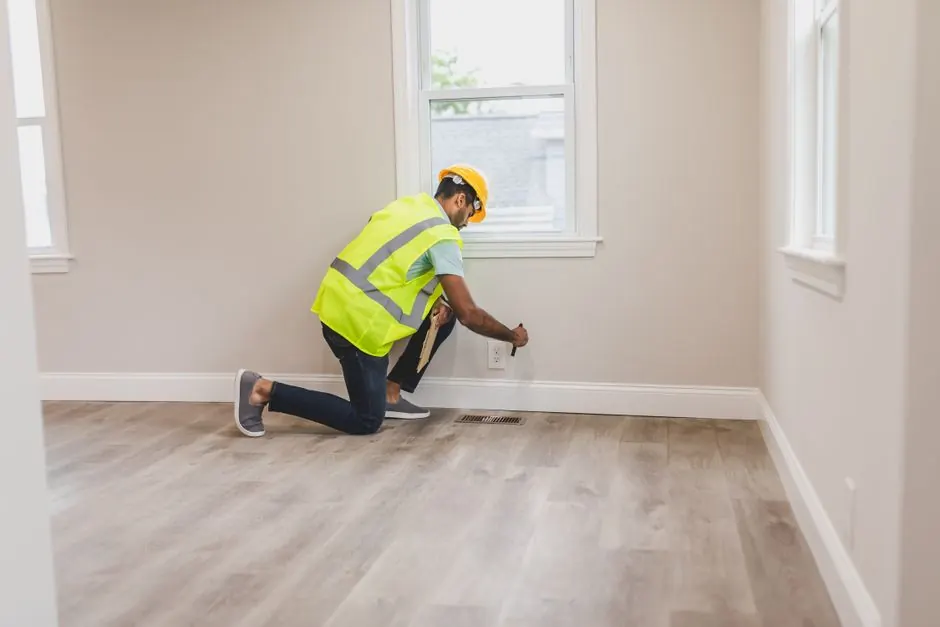
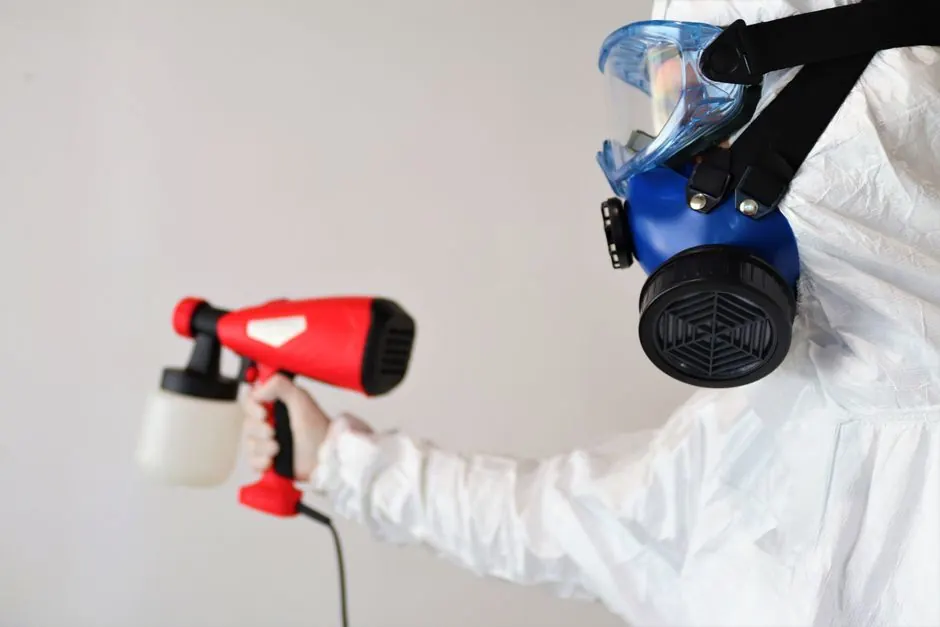
A damp bedroom, musty closet, or stained ceiling can disrupt daily routines long before a large area of mold is visible. In Coward, homes may include older framing, later additions, crawl spaces, and detached buildings, so we inspect the whole moisture path rather than treating one patch in isolation. Residential Mold Removal begins with protecting your household and identifying whether water came from a roof leak, plumbing failure, or persistent humidity. We discuss access, belongings, and which rooms need to remain usable during the work. If drywall or insulation is affected, we explain what can be cleaned and what must be removed. We contain the work zone when conditions call for it, use HEPA filtration to control dust, and dry the remaining structure. You get a clear account of the source and the next repair step before the area is closed.
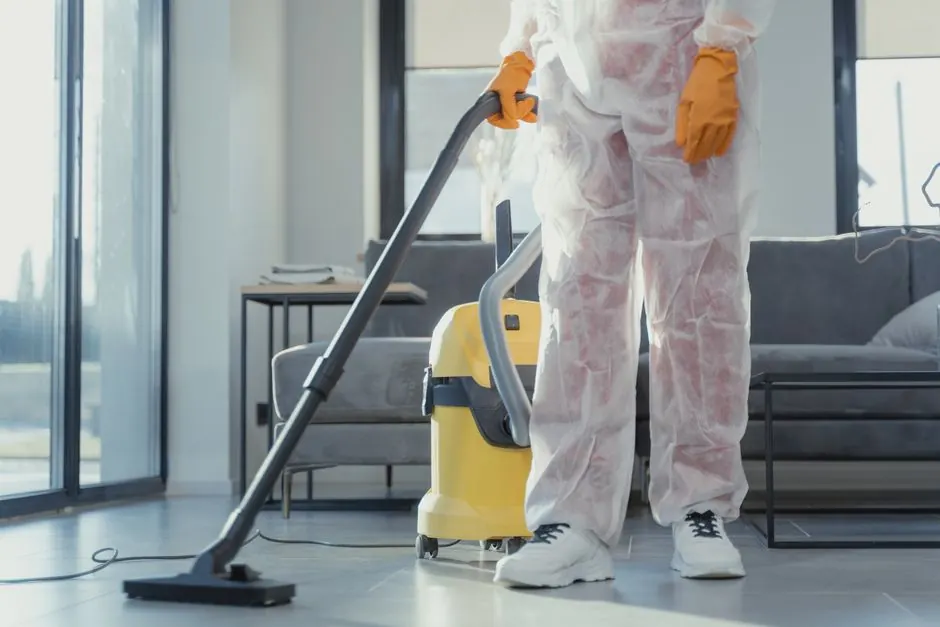
- Room and wall containment — For a Coward bedroom, bathroom, or hallway, we establish a controlled work area sized to the affected materials. We protect the route used to carry tools and debris, then remove or clean the surface based on its condition. This helps keep cleanup focused while you continue using unaffected parts of the home.
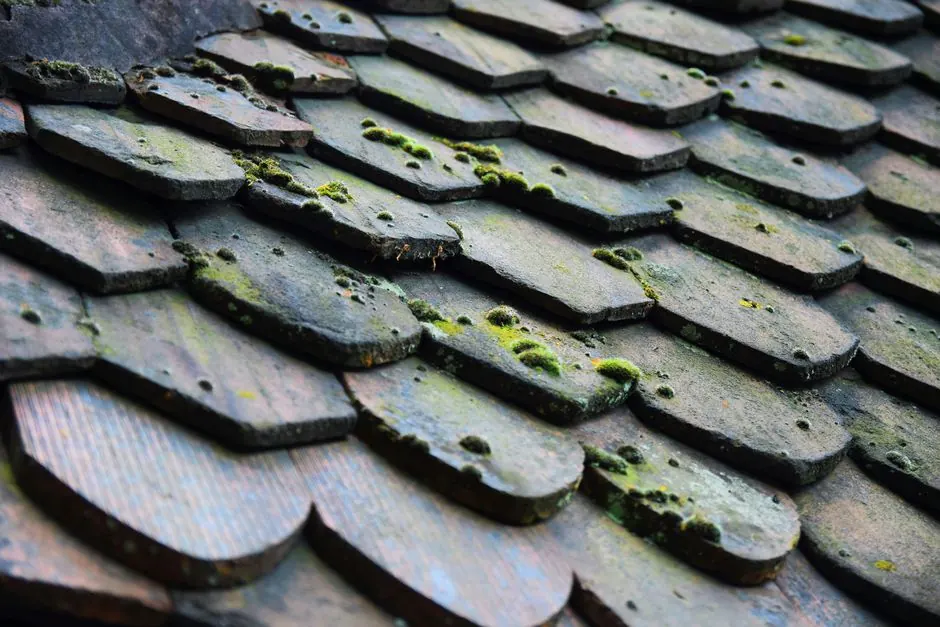
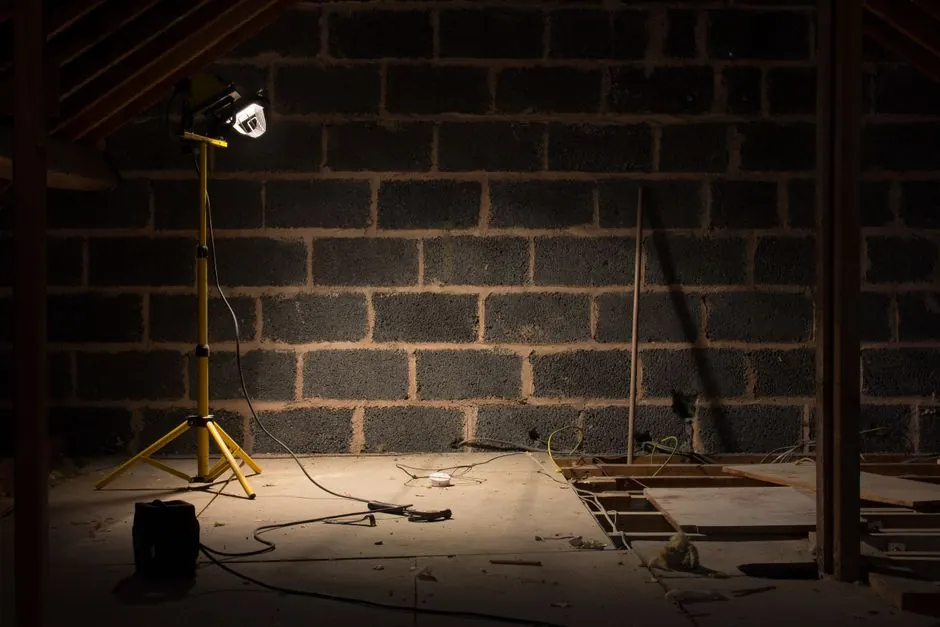
- Attic and ceiling cleanup — A ceiling stain may lead to damp attic insulation or roof sheathing above it. We inspect both sides where accessible, identify the leak path, and remove contaminated porous material when needed. We also make sure roof entry is corrected before replacement insulation or drywall is installed.
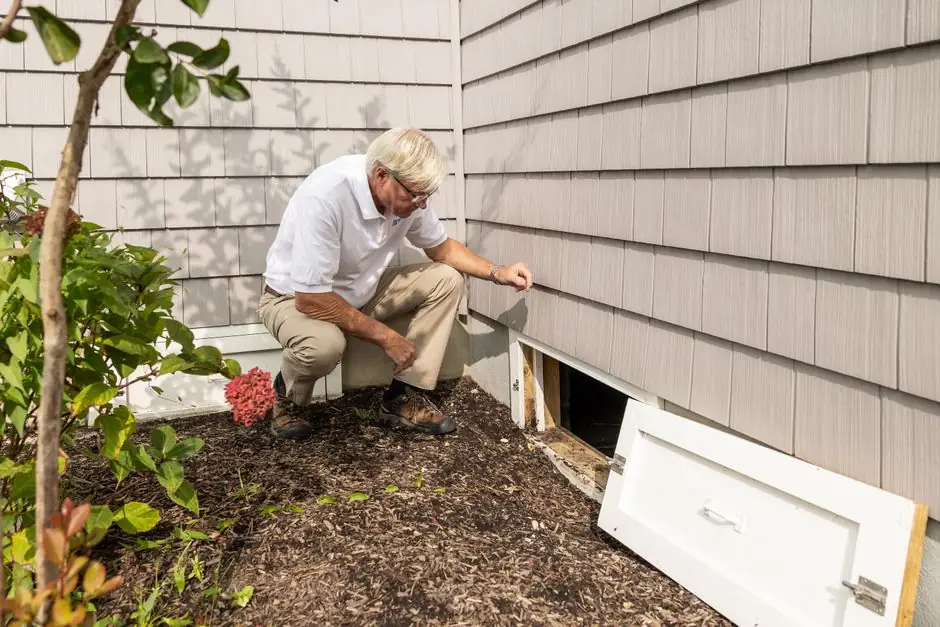
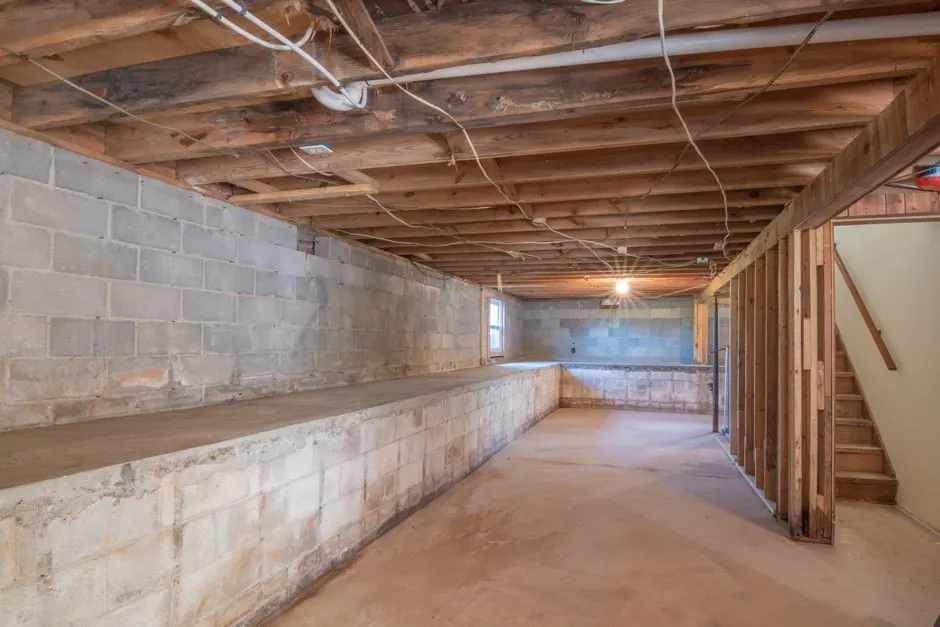
- Crawl-space material removal — We inspect Coward crawl spaces for wet insulation, affected framing, plumbing leaks, and ground moisture. Material that cannot be cleaned is removed under controlled conditions; suitable framing is cleaned and dried. We then explain whether a vapor barrier or other moisture-control work fits the conditions found.
- Post-leak drying and checks — After a plumbing or roof leak, we check affected surfaces and nearby materials instead of assuming the visible water is the full extent. Drying equipment is placed where it can move air through the affected area, and readings are reviewed before closure. This reduces the chance of trapping damp material behind a repair.