Residential Mold Remediation in Darlington Homes
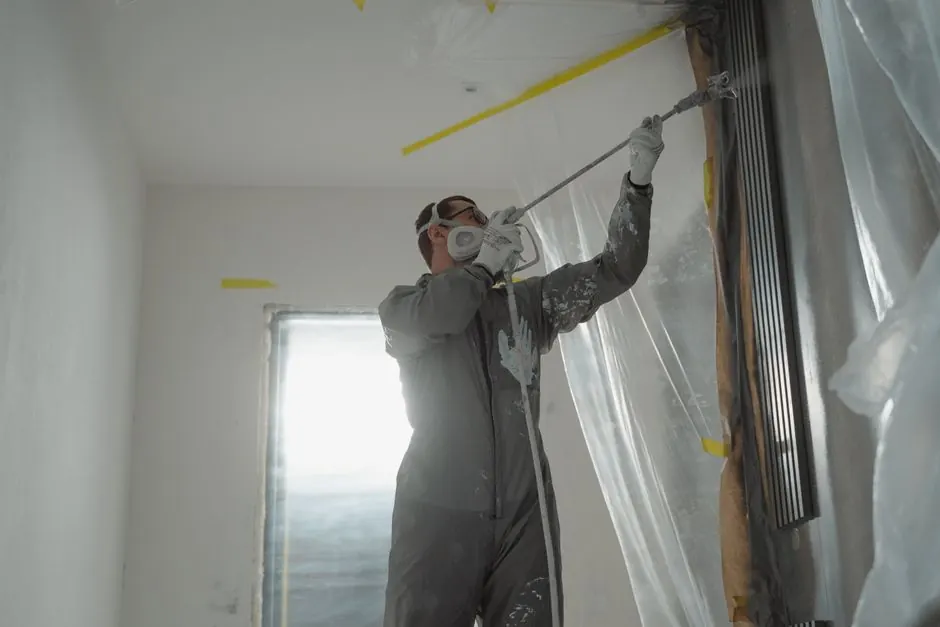
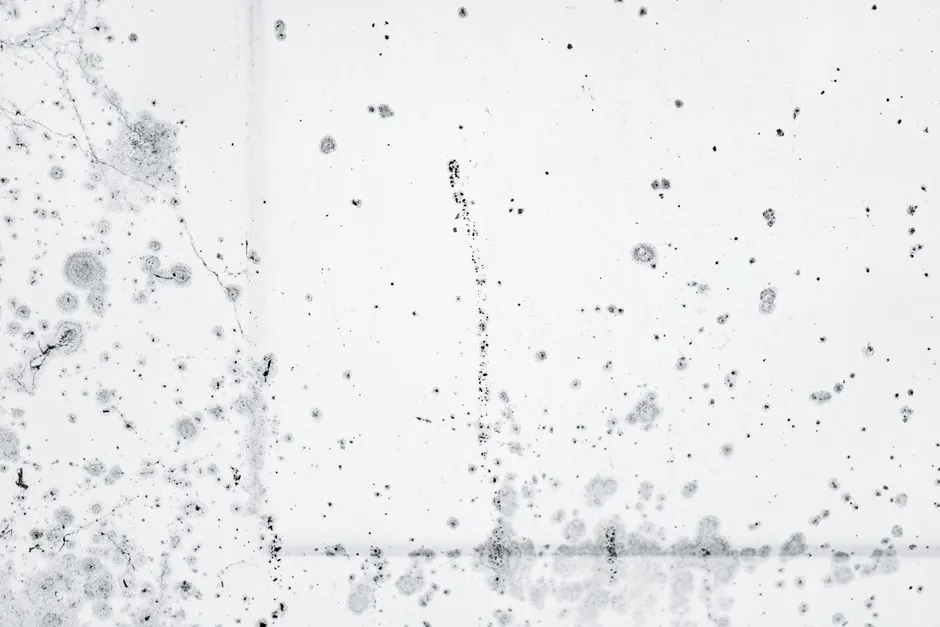
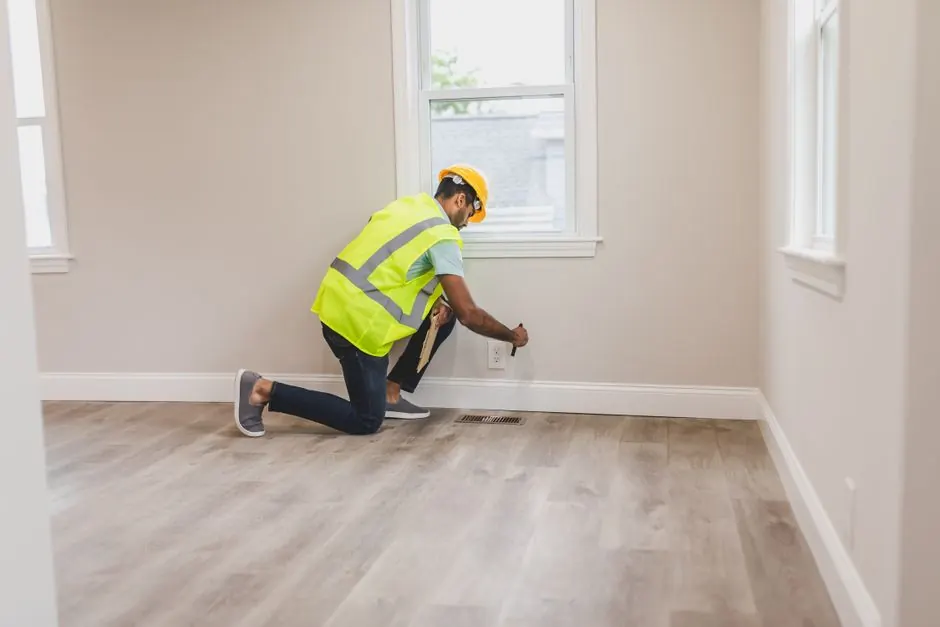
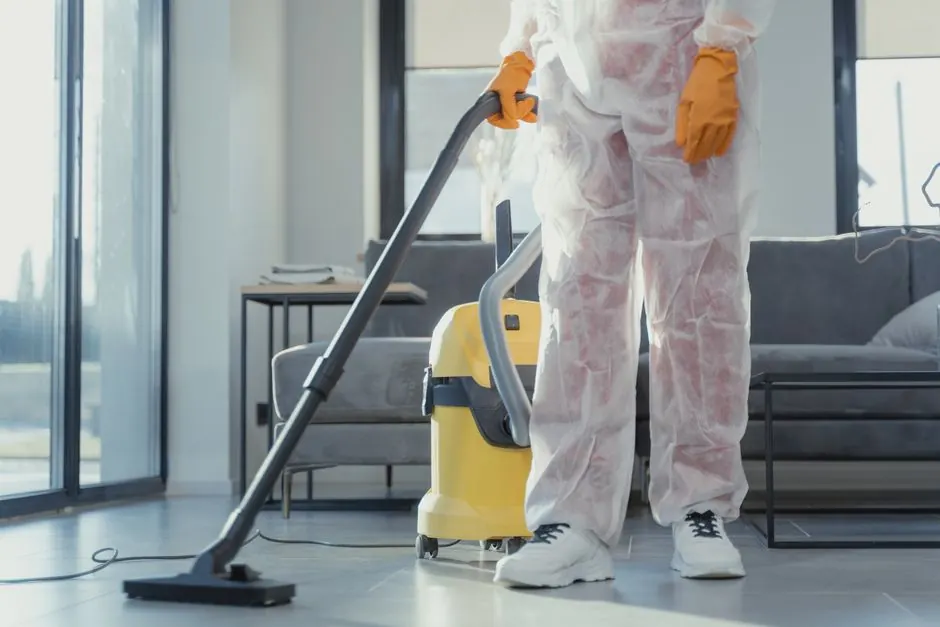
Darlington residences include older homes near the historic center, wood-frame houses with crawl spaces, and newer homes with different ventilation and drainage layouts. When a bathroom leak, roof opening, or damp crawl space causes mold, the family needs the affected area contained and the moisture corrected without unnecessary disruption. Our residential mold removal process starts with the source and the materials: we inspect beyond the stain, separate wet porous material from sound framing, and plan a clean route through the house. We coordinate work around children, pets, and daily routines, explaining which room must remain closed and when it is ready to use again. A HEPA air scrubber can support dust control during contained work, while a dehumidifier helps manage drying when conditions call for it. We do not cover growth with paint or rely on odor treatment. We remove or clean affected materials, verify dryness, and leave the area ready for repair.
- Contained room cleanup — For a bedroom, bathroom, or laundry room in Darlington, we protect nearby floors and furnishings, isolate the affected work area, and remove only materials that cannot be cleaned. We check adjacent surfaces for moisture before cleanup ends, so a hidden wet edge is not left behind.
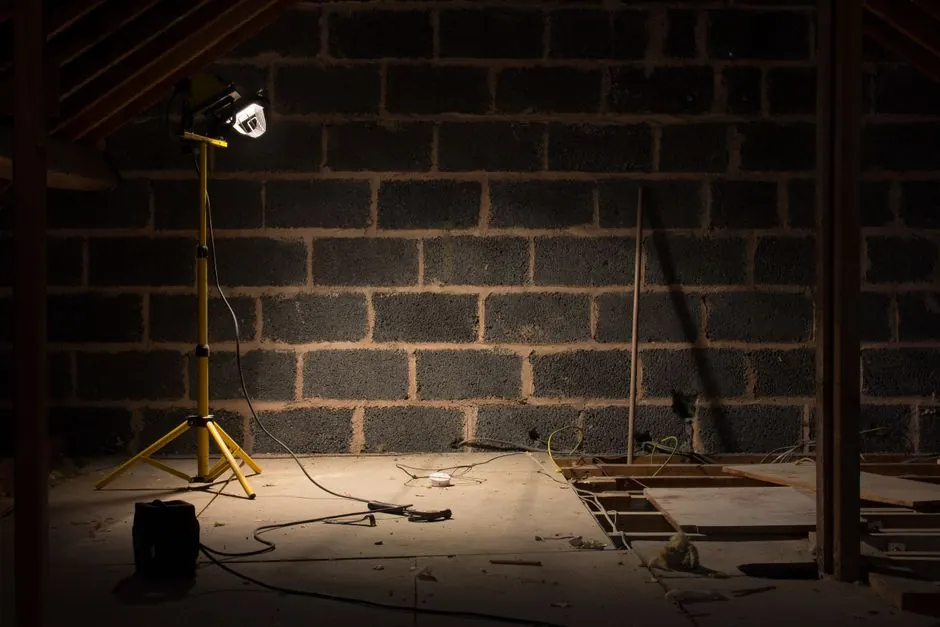
- Attic and roof-leak response — We inspect roof sheathing, framing, and insulation after a leak in a Darlington home. Wet insulation is removed when necessary, and retained material is cleaned and dried. The roof opening must be repaired before new insulation or ceiling finishes close the assembly.
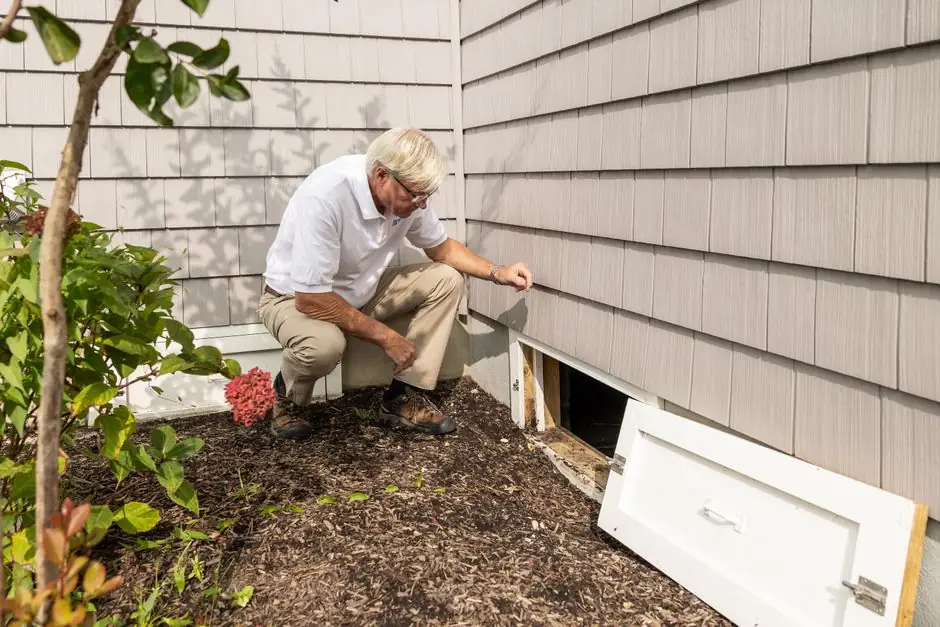
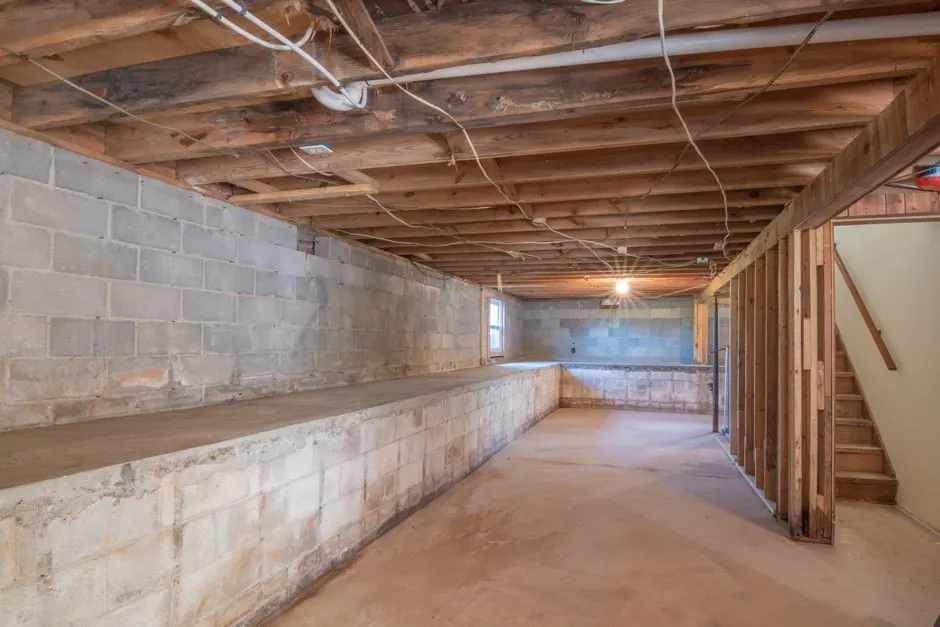
- Crawl-space moisture cleanup — Our team checks floor framing, insulation, and ground coverage beneath Darlington homes. We remove contaminated porous material, clean sound surfaces, and identify moisture entry that needs correction. Access and containment are planned before equipment or debris moves through the house.
- Post-plumbing leak remediation — A slow leak behind a cabinet or washer can damage drywall and nearby framing. We isolate the area, inspect the cavity, remove unsalvageable porous material, and clean retained surfaces. Plumbing repair and drying happen before the wall is reconstructed.