



Residential Mold Remediation for Gaffney Homes
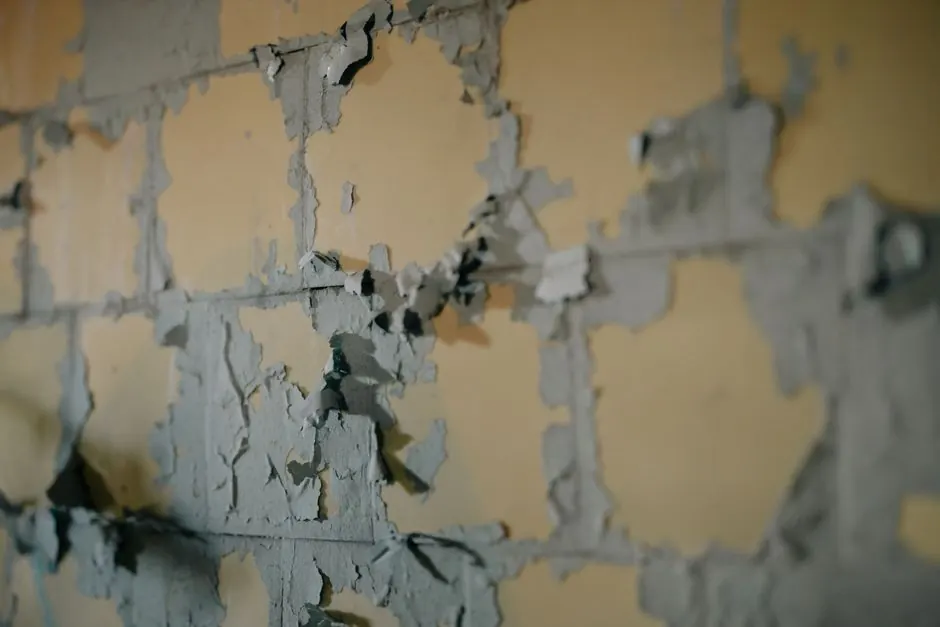
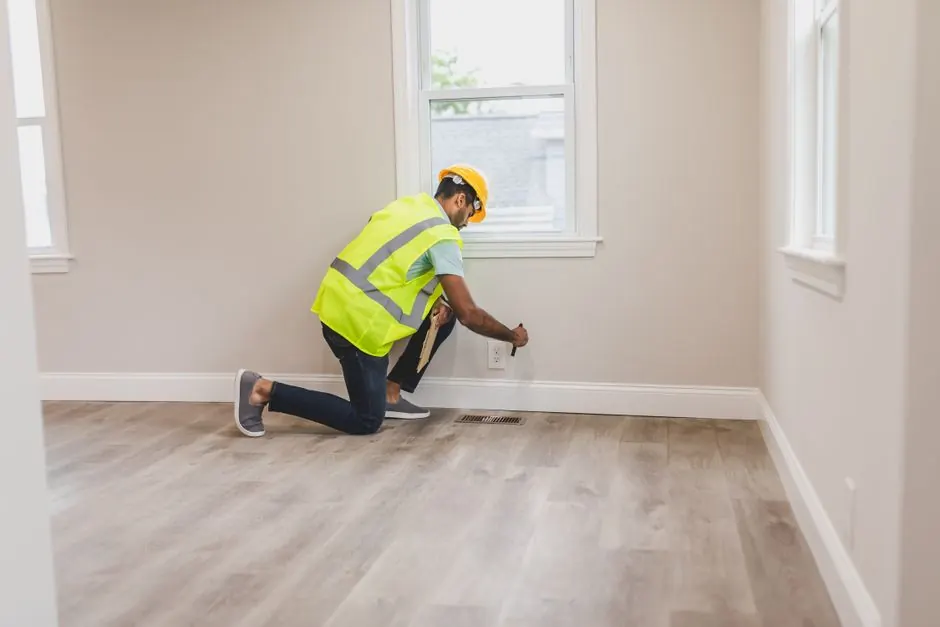
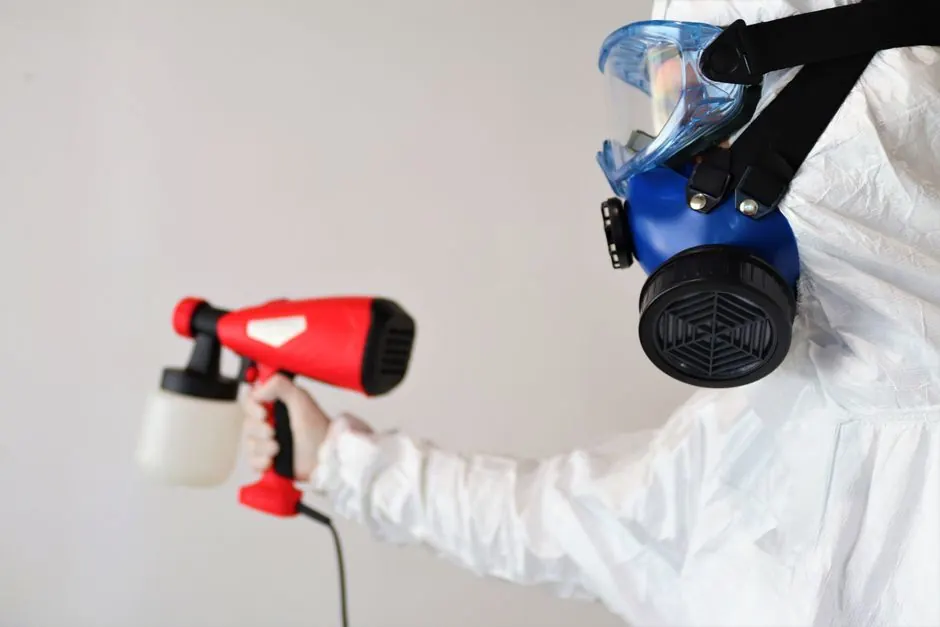
Gaffney homes range from older houses with established crawl spaces to newer construction with modern wall and roof assemblies. A bathroom leak, roof opening, or damp crawl space can affect drywall, insulation, wood framing, and stored belongings differently. We inspect the affected rooms and trace moisture before deciding what can be cleaned and what should be removed. For a family, the practical priorities are keeping unaffected rooms usable, controlling dust, and knowing when it is safe to repair the wall or floor. Our Residential Mold Removal work can include a bedroom, bathroom, attic, crawl space, or HVAC-adjacent area. We set a boundary suited to the job, use protective equipment, and keep you informed about access and drying. If the home is occupied, we plan around essential routes and discuss which rooms should remain clear during removal.
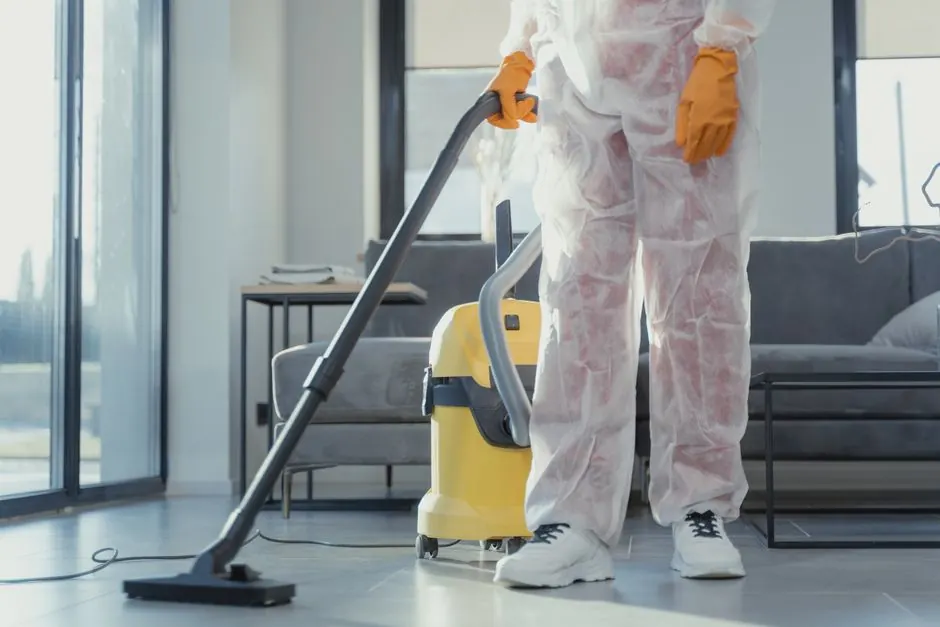
- Contained room removal — For a Gaffney bedroom or bathroom, we isolate the affected area when conditions require it and protect nearby floors and furnishings. We remove damaged porous material, clean suitable surfaces, and track drying before the room is repaired. You will know which portions of the home remain accessible during the job.
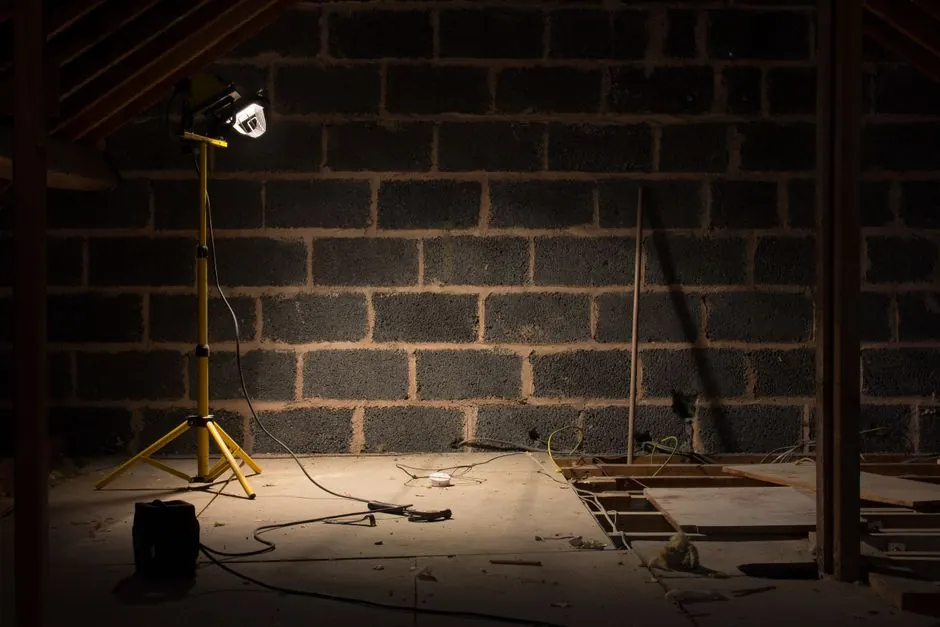
- Attic leak cleanup — We inspect attic decking and insulation where a roof leak has left staining or damp materials. In Gaffney homes, we follow the water path and verify the roof source has been repaired. Wet insulation that cannot be restored is removed, and framing is cleaned and dried before the ceiling is closed.
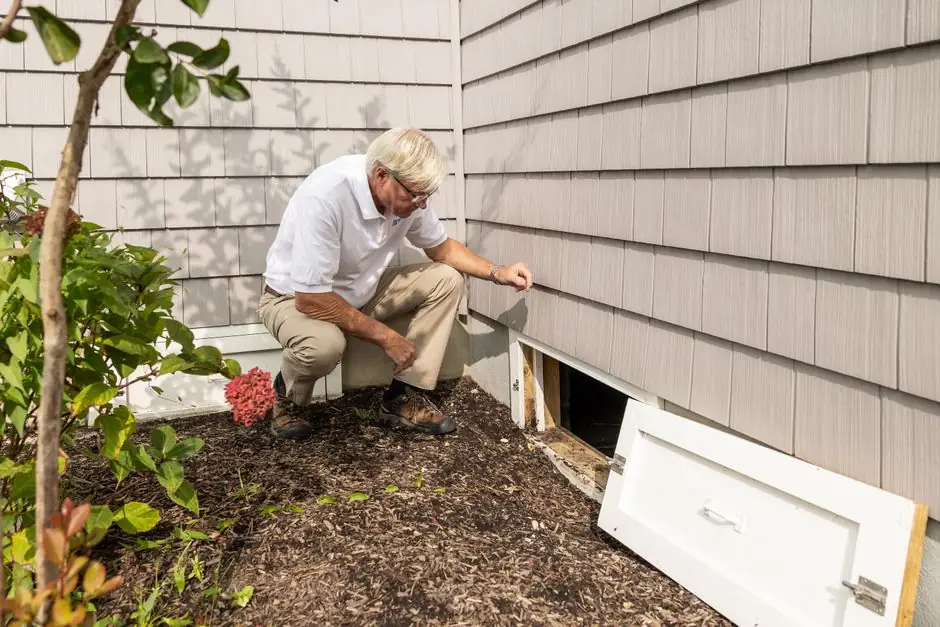
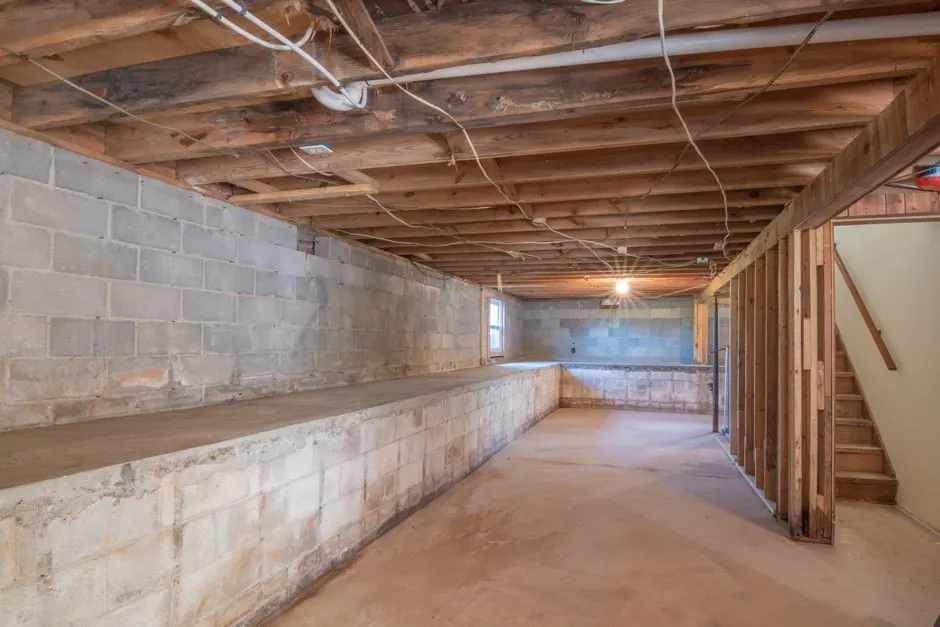
- Crawl space material removal — We assess damp insulation, framing, and accessible ground conditions beneath Gaffney houses. Where porous material is contaminated or water-damaged, we remove it under controlled conditions and clean appropriate surfaces. We also identify leaks or ground moisture that should be corrected to limit repeat problems.
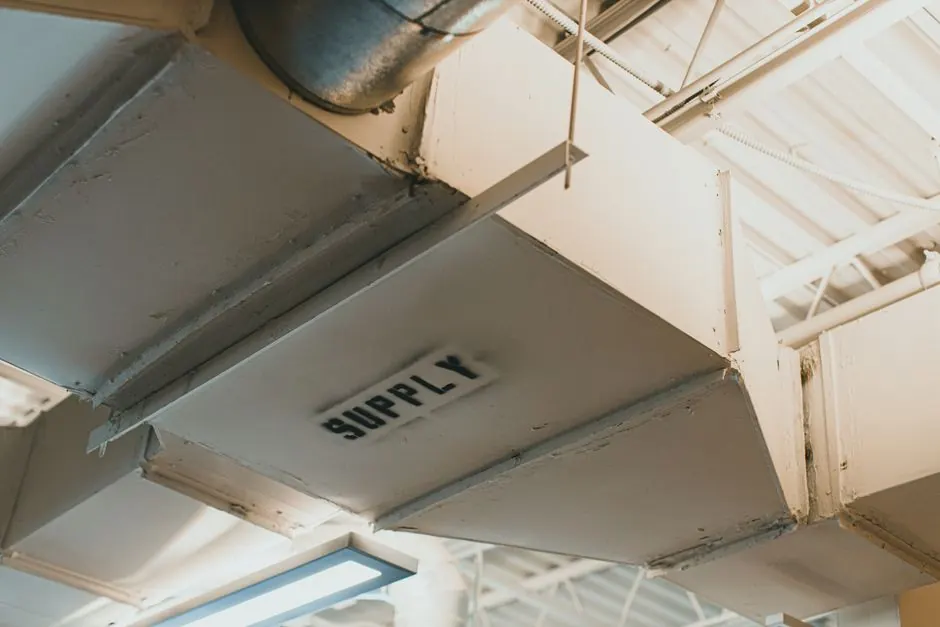
- Moisture and odor assessment — If a Gaffney home has a musty room without visible growth, we inspect nearby plumbing, exterior walls, HVAC surfaces, and concealed spaces where access allows. Moisture readings help determine whether the odor is linked to active dampness. We explain when sampling is useful and when inspection findings are enough to plan the next step.