
Residential Mold Remediation for Garden City Homes
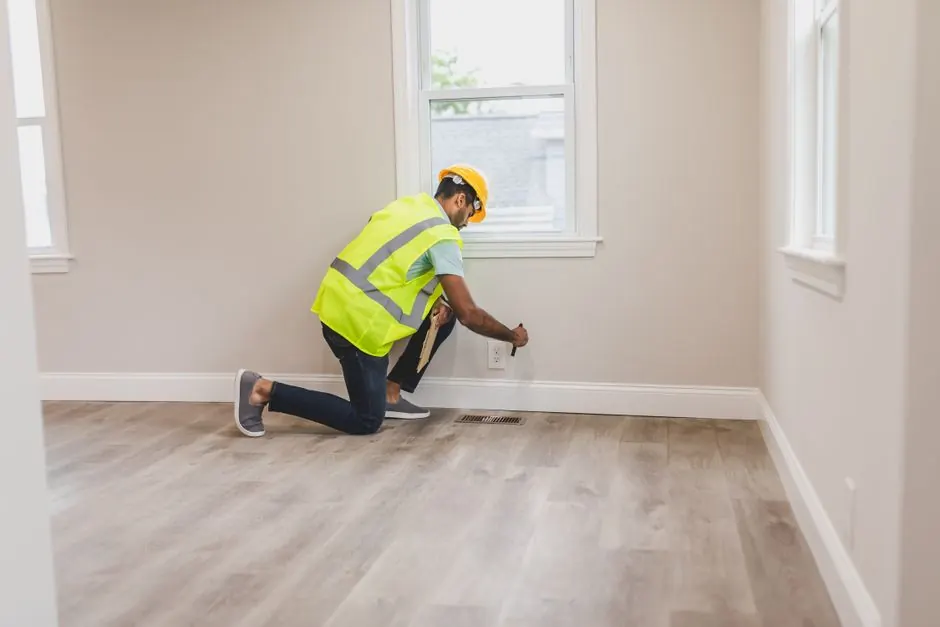
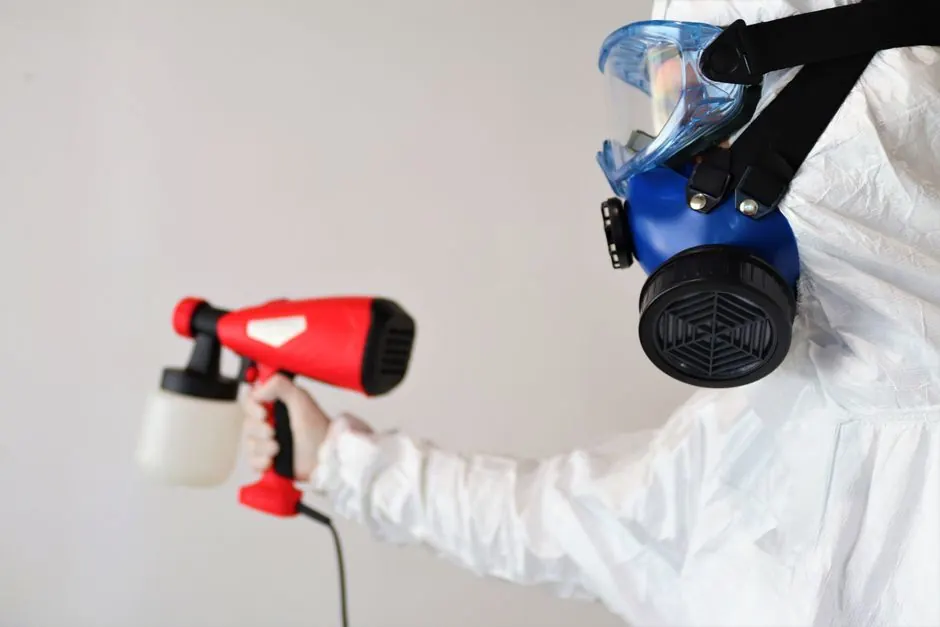
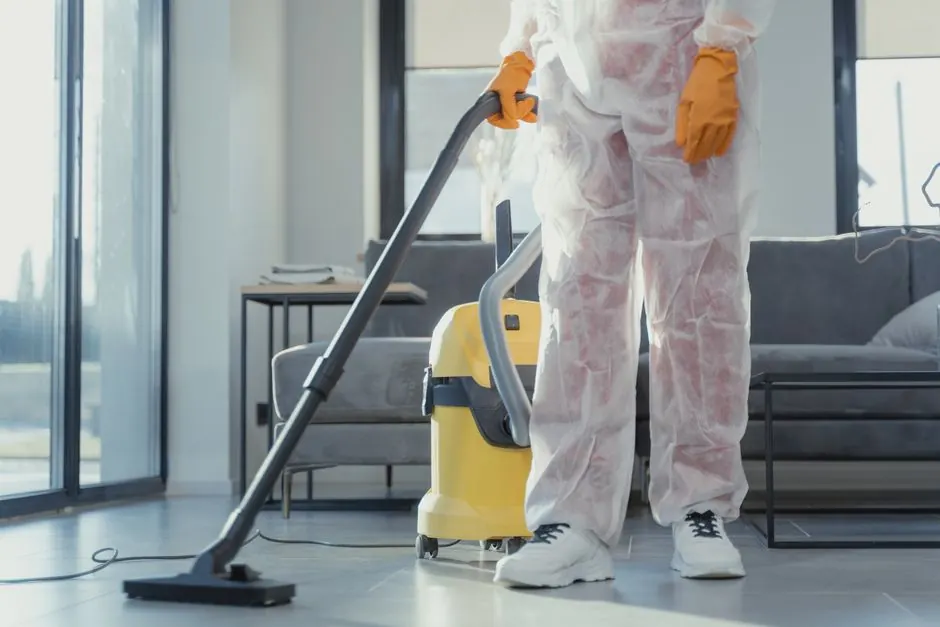
Garden City homes include raised coastal houses, condos, rental properties, and year-round residences, each with different access and occupancy needs. Mold problems often follow a slow bathroom leak, a roof opening after a storm, or dampness beneath the floor. We inspect the affected room and adjoining materials, then set containment to keep removal debris out of living areas. Residential mold removal is planned around your household, pets, guests, and the rooms you need to keep in use. We explain what can be cleaned, what needs removal, and how drying will be checked before repairs begin. If you manage a vacation home, we can coordinate access with your property contact and identify the area that needs attention first.
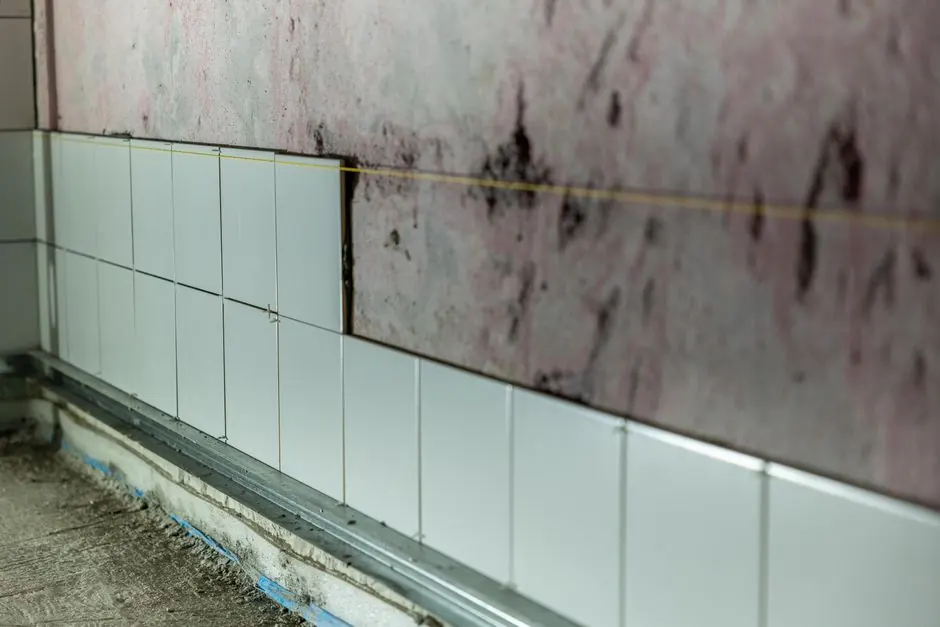
- Contained room cleanup — For a Garden City bedroom, bathroom, or closet, we isolate the affected space before disturbing materials. We protect the route through the home, remove material that cannot be cleaned, and clean suitable surfaces. You get a clear account of the affected area and the drying checks needed before reconstruction.
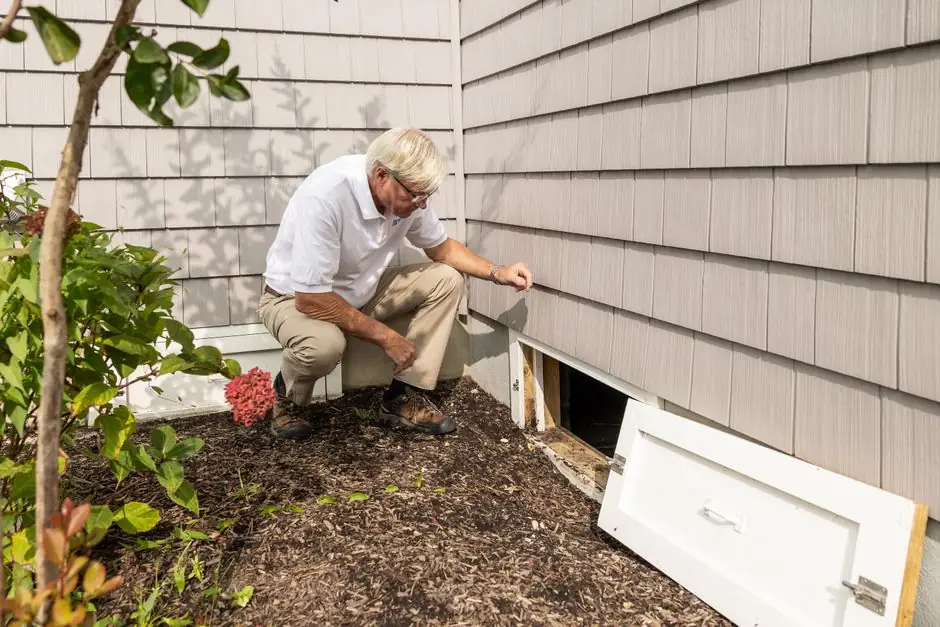
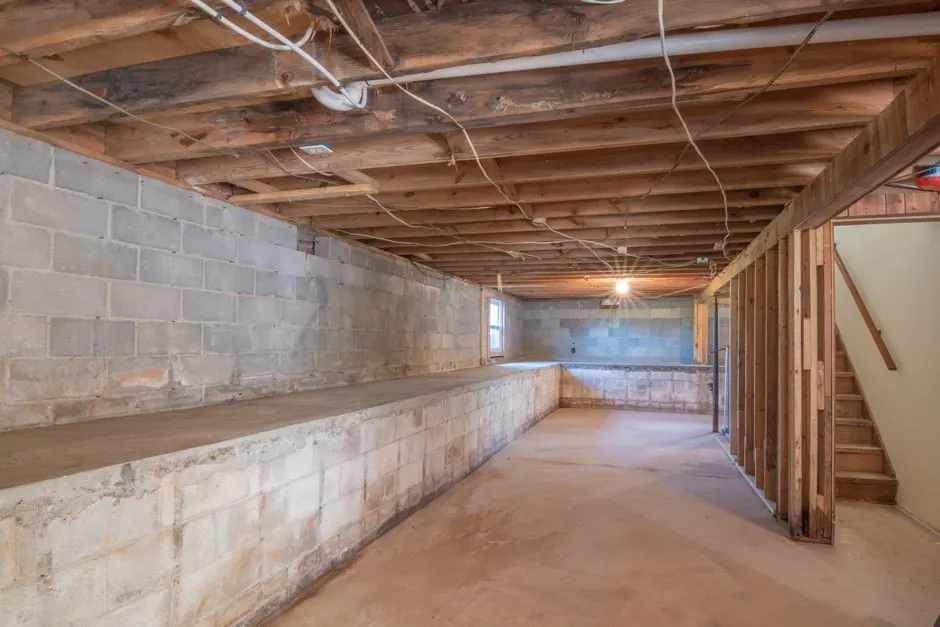
- Crawl-space material removal — We inspect beneath raised Garden City homes for damp insulation, affected framing, and moisture pathways. The crew plans for the access opening and protects the entry route. If material is contaminated or saturated, we remove it and dry the structure, then explain any ground-moisture correction needed.
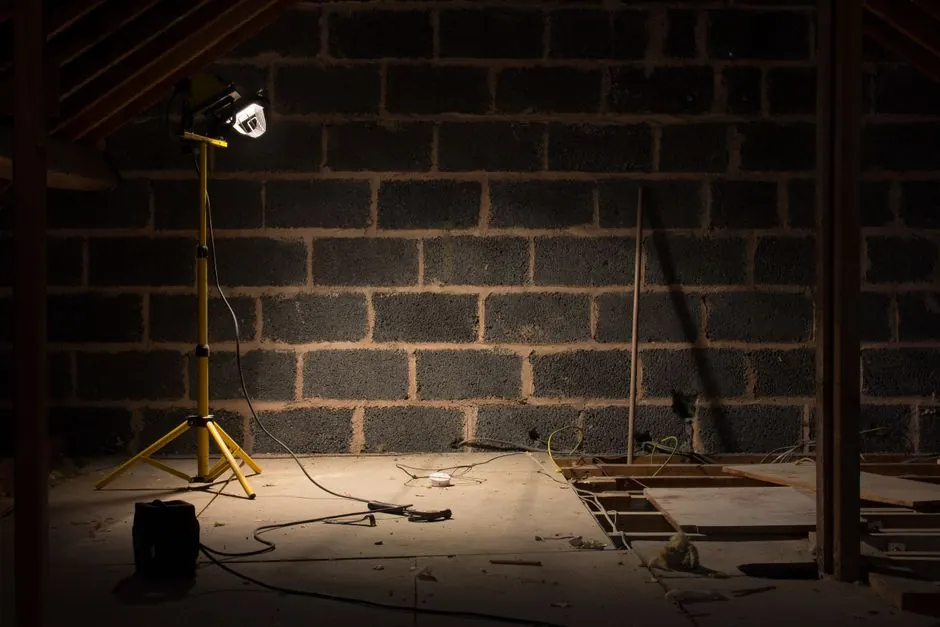
- Attic leak response — After roof leakage, we check the ceiling cavity and accessible attic materials rather than stopping at the stain. Garden City storm exposure can leave insulation wet beyond the visible area. We contain removal, clean sound framing, and verify drying after the exterior leak is addressed.
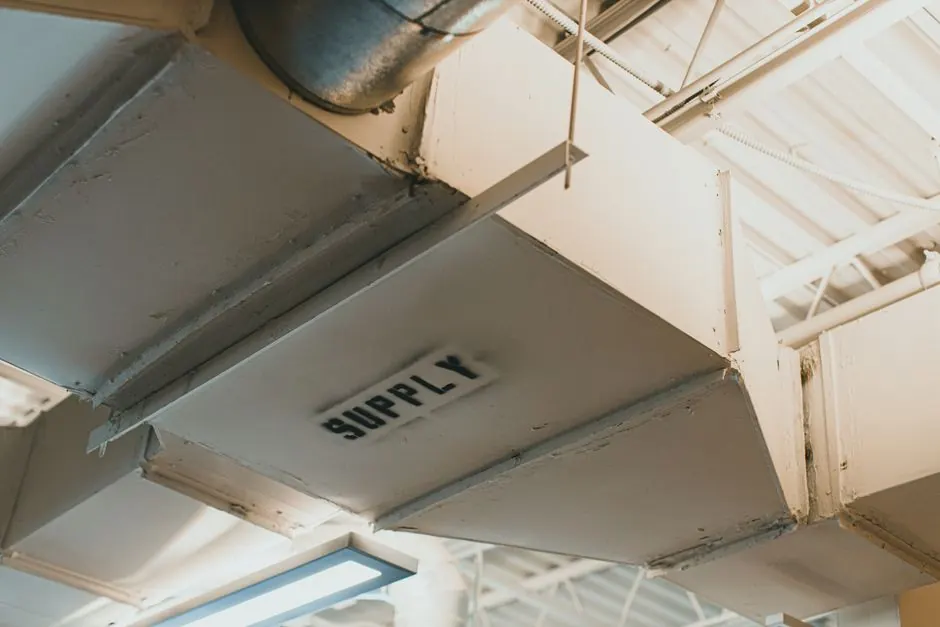
- HVAC moisture assessment — If odor returns when your Garden City HVAC system starts, we check accessible components and surrounding surfaces for condensation or damp materials. We identify whether the source is at the equipment or elsewhere before recommending remediation. This avoids treating a symptom while water continues to collect.