


Residential Mold Remediation for Hampton Homes
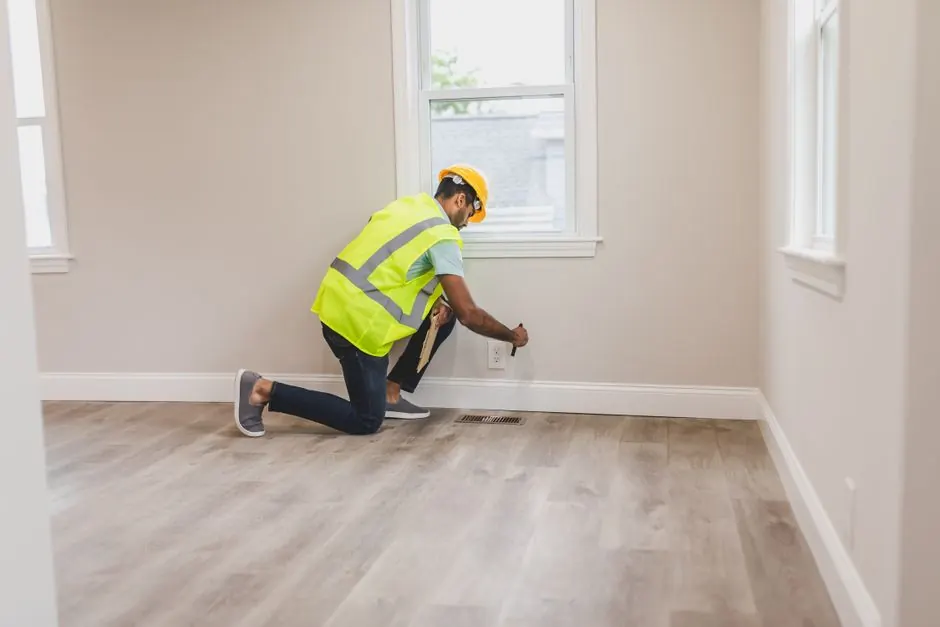
Hampton homes range from established town properties to houses on larger rural lots, and each can have a different moisture pathway. A roof leak may affect attic insulation; a slow plumbing leak can damage a laundry wall; ground moisture can affect crawl-space framing. Our residential mold removal starts by identifying the wet area and what is still feeding it. We protect household routes, discuss which rooms remain usable, and keep the work focused on affected materials. For families, the practical goal is a dry, clean space that can be repaired without hiding unresolved moisture. We document readings and explain where cleaning ends and reconstruction begins.
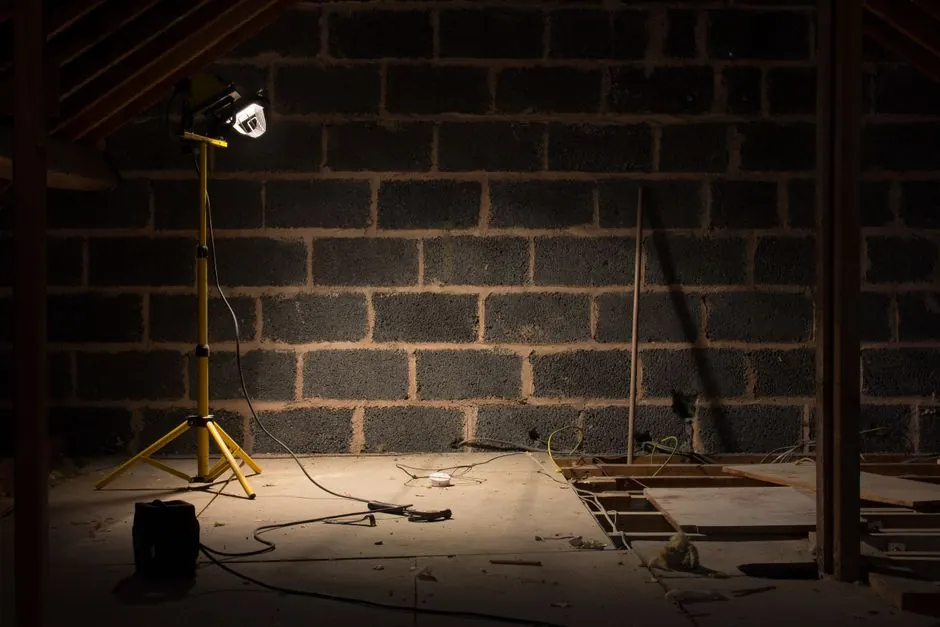
- Attic leak cleanup and drying — We inspect Hampton attic sheathing and insulation around the suspected leak, then remove material that cannot be restored. After the roof source is repaired, we dry and check the affected area before it is enclosed. This avoids trapping damp insulation or framing behind a finished ceiling.
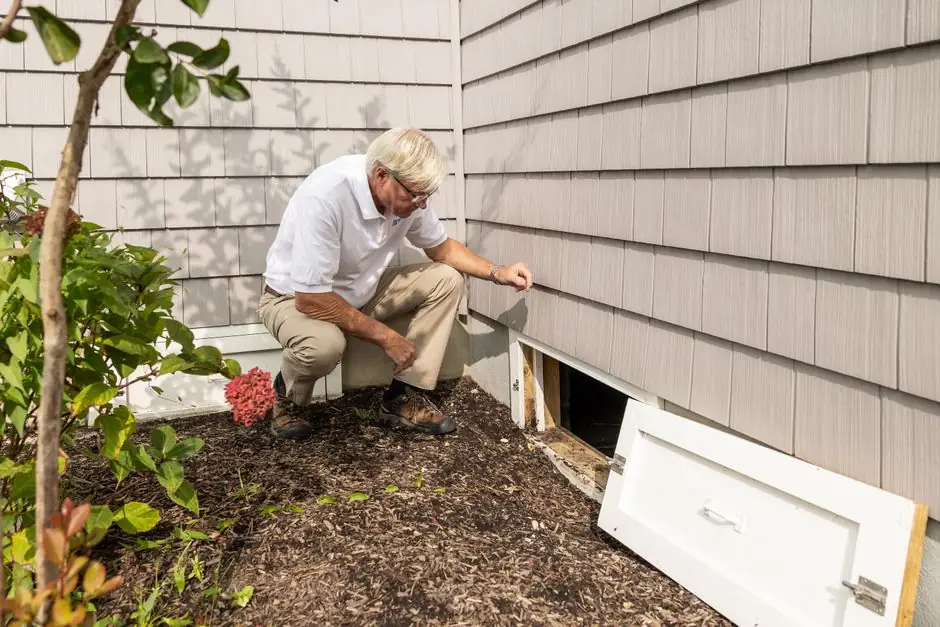
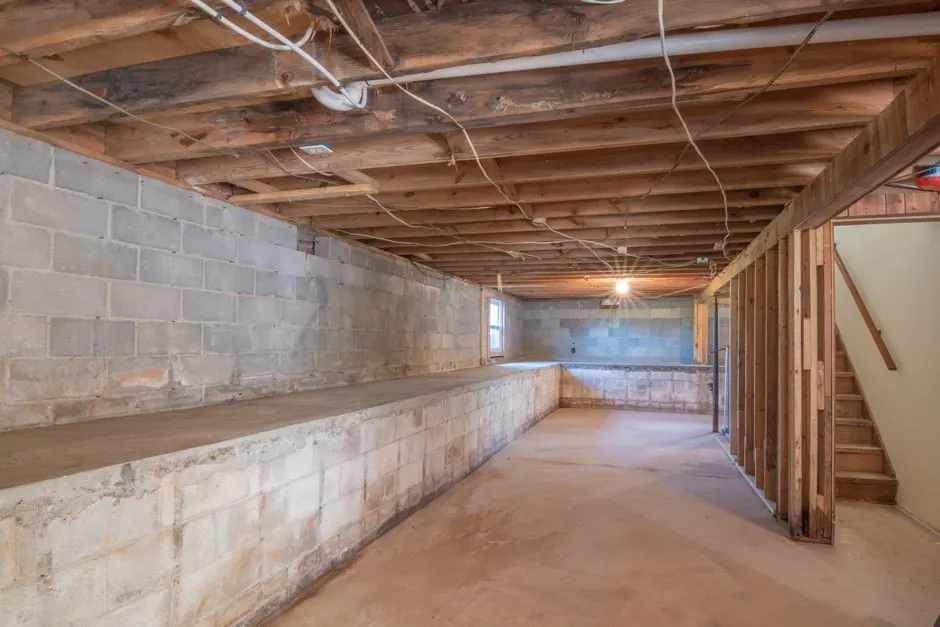
- Crawl-space framing cleanup — We assess access, standing water, and damp framing before disturbing a Hampton crawl space. Our crew removes affected debris, cleans suitable surfaces, and supports drying. If ground moisture is contributing, we discuss the vapor barrier and drainage conditions visible at the property.
- Wall cavity mold removal — A musty smell near a bathroom or laundry area can indicate moisture behind drywall. We check the wall and nearby plumbing, open the affected section only as needed, and remove unsalvageable porous material. The cavity is dried before wall repairs proceed.
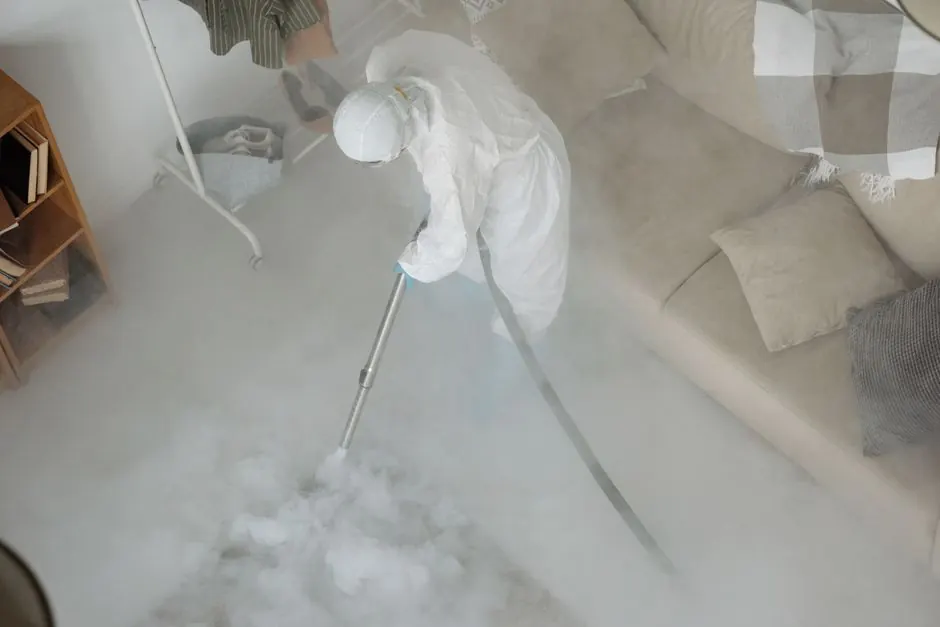
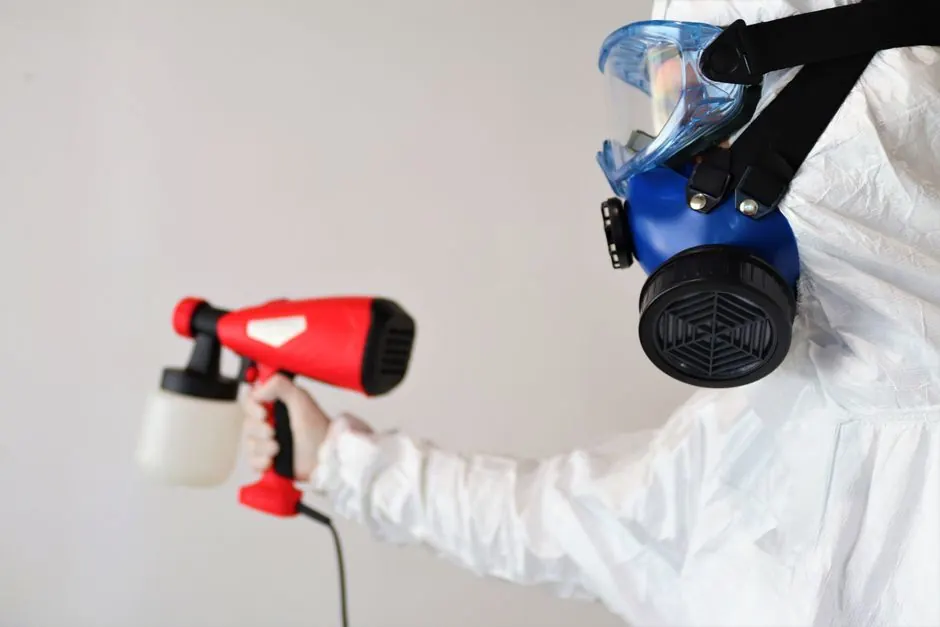
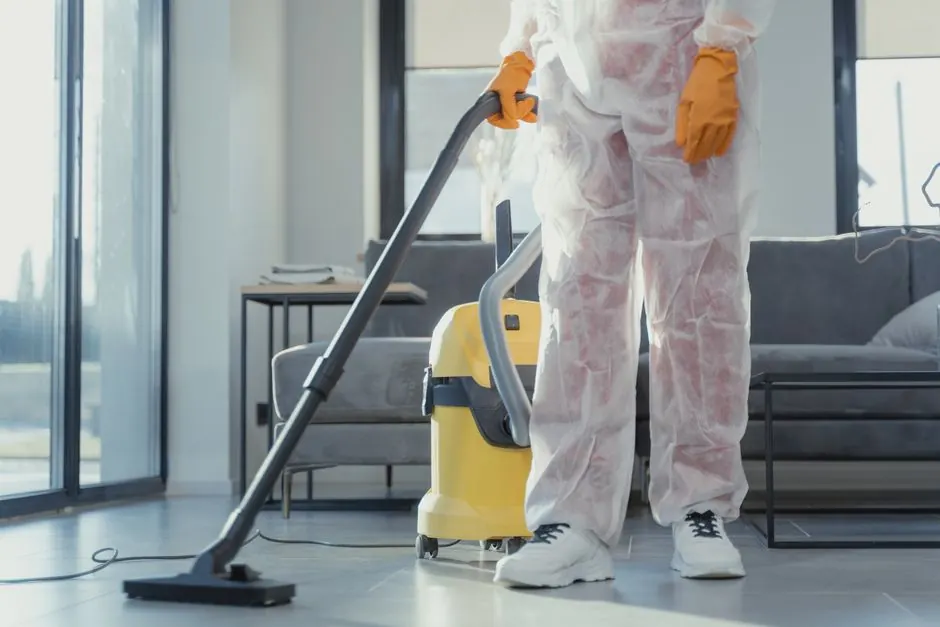
- Post-leak room protection — When a Hampton kitchen, bedroom, or utility room is affected, we isolate the work zone where needed and protect the path used to carry debris. We use HEPA filtration and clean the work area after removal, helping you keep unaffected parts of the house in use.