



Residential Mold Remediation for Heath Springs Homes
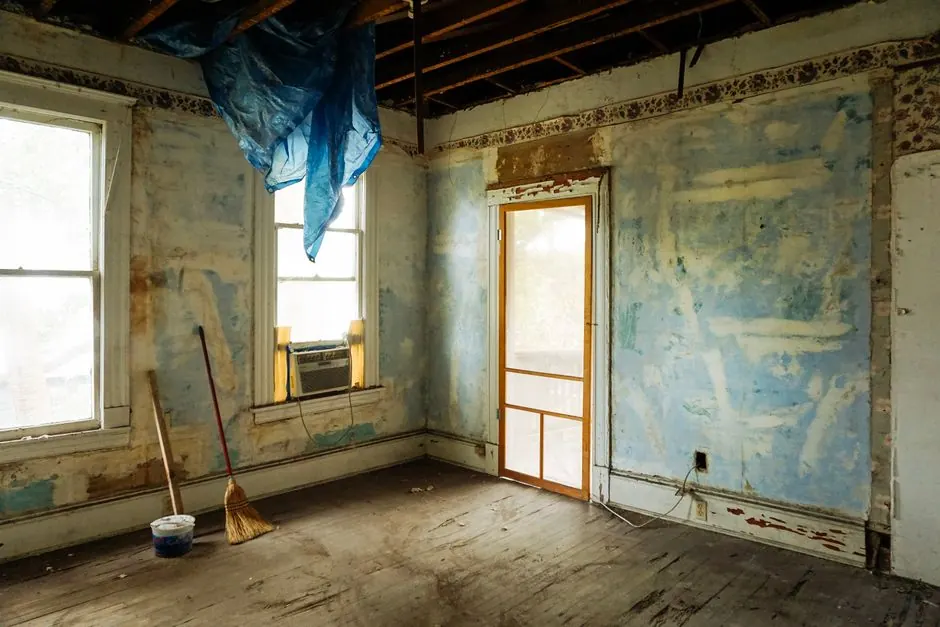
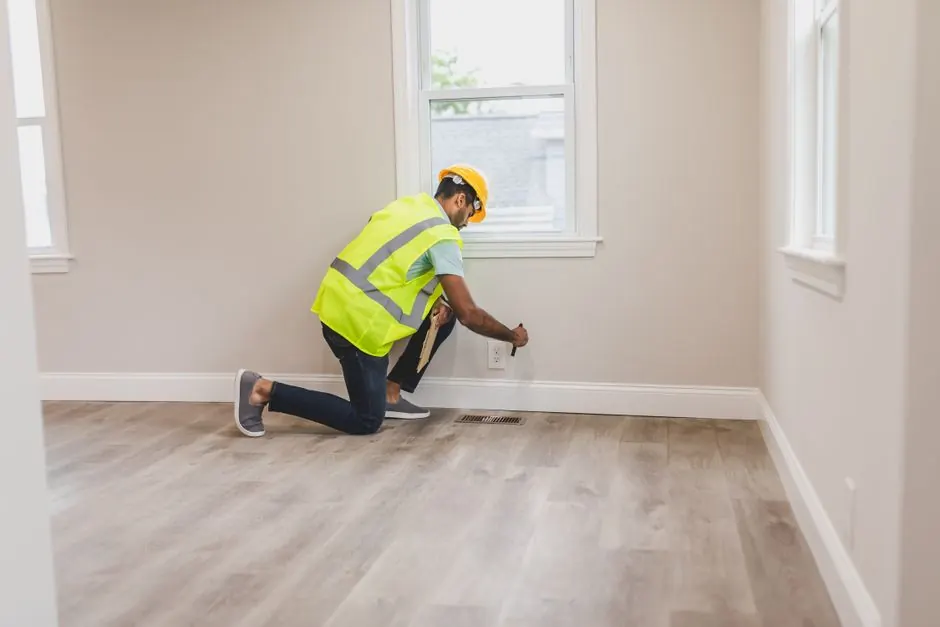
Heath Springs homes range from older houses with additions to newer residences and rural properties with crawl spaces, attics, and detached structures. A musty bedroom, damp bathroom wall, or attic stain after a storm can point to more than one moisture path. We inspect the area and adjacent materials, then explain what can be cleaned and what should be removed. Residential Mold Removal is planned around your household: we keep unaffected rooms accessible where possible, protect contents near the work zone, and coordinate the cleanup with plumbing or roof repairs. If a family member has respiratory sensitivities, tell us before setup so we can discuss containment and access. The goal is a dry, clean area and a clear next step for repairs, not a quick cover-up that leaves the source in place.
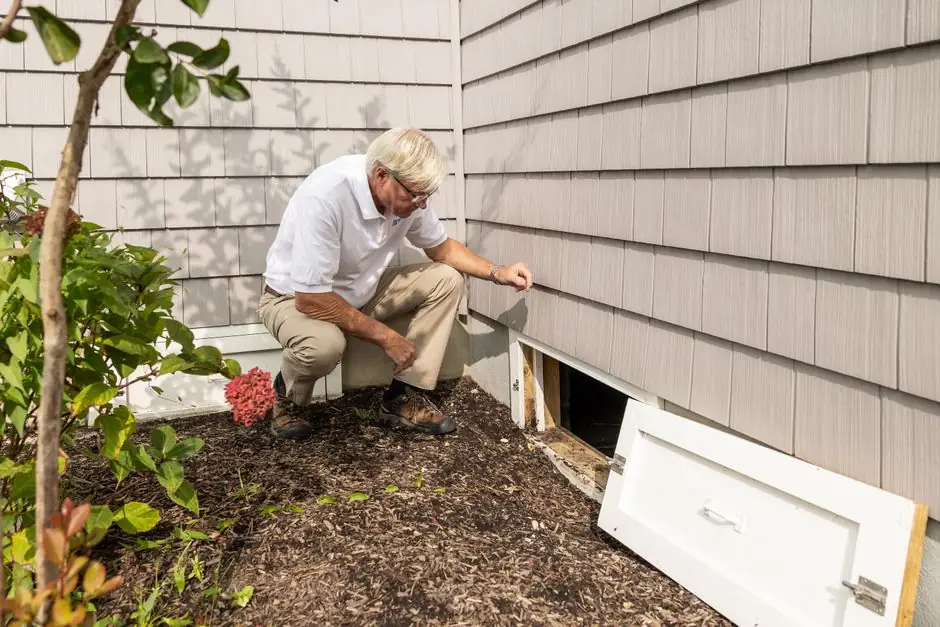
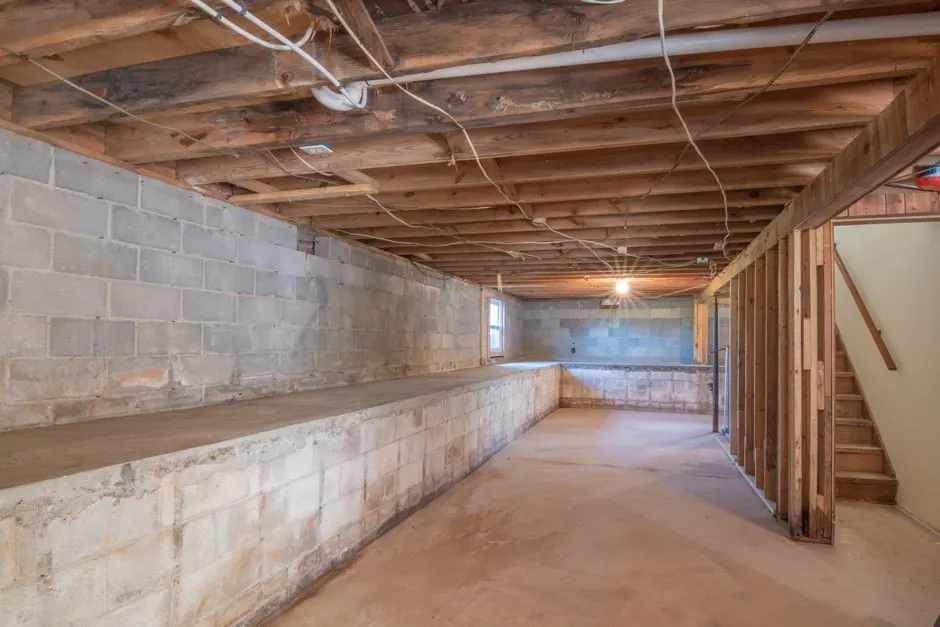
- Crawl-space cleanup and drying — We inspect joists, insulation, plumbing, and ground conditions beneath Heath Springs homes before beginning cleanup. The work separates contaminated materials from retained framing and includes moisture checks as the space dries. If damp soil is contributing, we discuss a vapor barrier after the source and drainage conditions are reviewed.
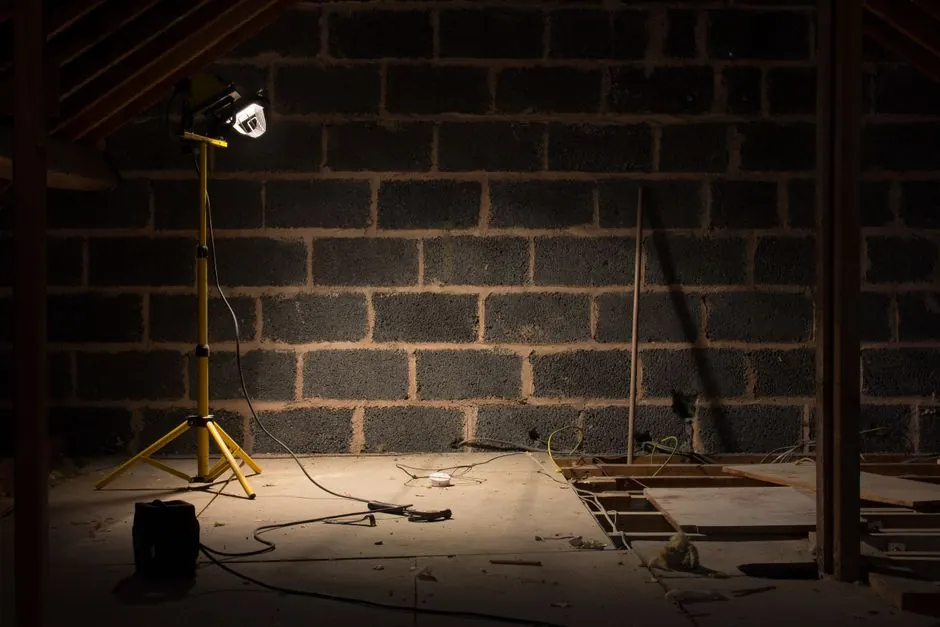
- Attic leak-related remediation — A roof leak can wet insulation and sheathing before a stain appears indoors. We trace the affected attic area, remove material that cannot be cleaned, and coordinate drying with roof repair. In Heath Springs, this step helps you avoid sealing a ceiling over damp framing or insulation.
- Bathroom and kitchen wall cleanup — Slow plumbing leaks often affect drywall behind a vanity, tub, or kitchen cabinet. We check the wet boundary, contain the opening, and remove compromised porous material. We coordinate with the plumbing repair so your Heath Springs home is not closed back up while the cavity remains damp.
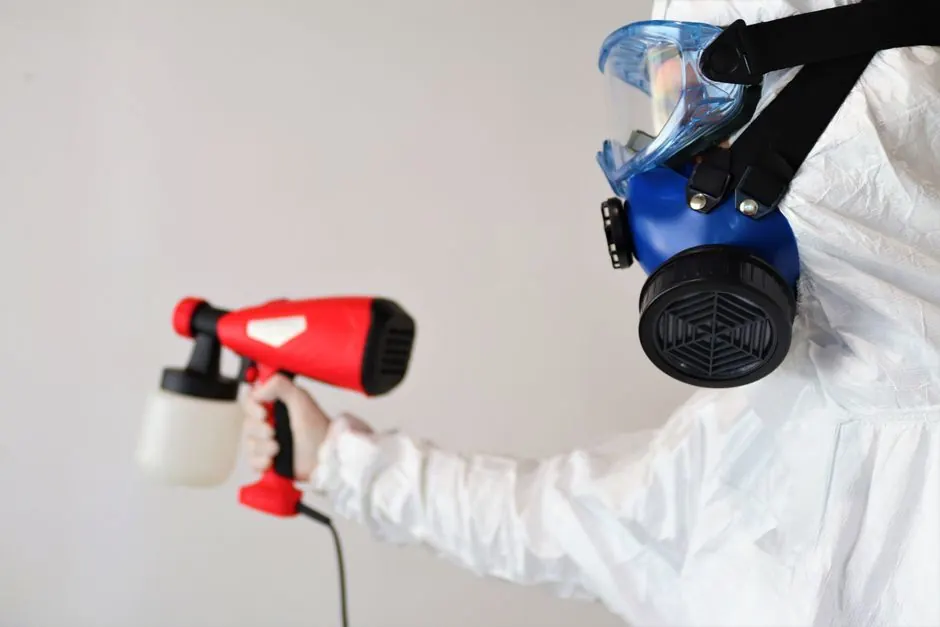
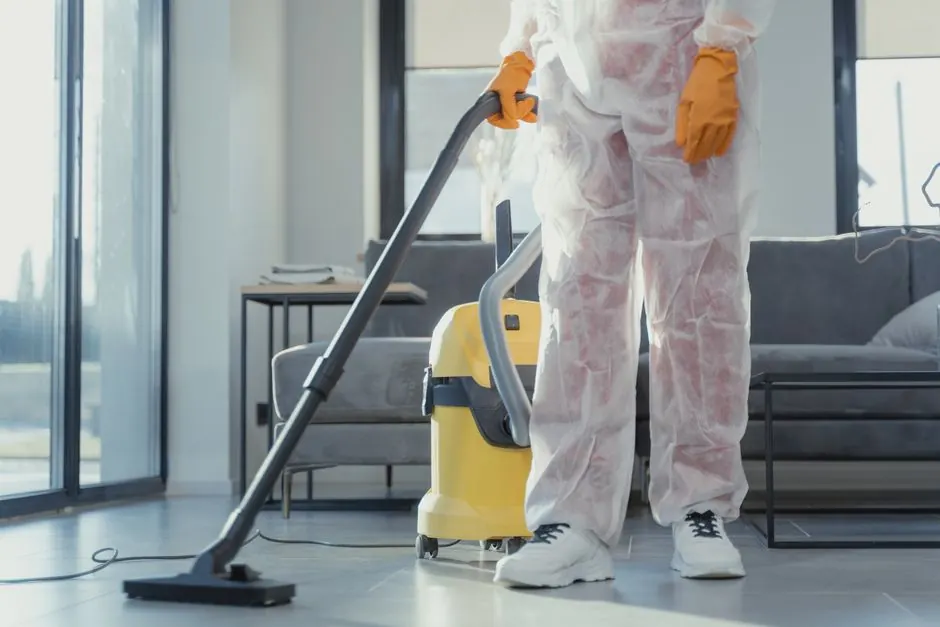
- Room containment and contents care — Before work begins, we identify nearby furniture, stored items, and routes through your Heath Springs home. We protect unaffected areas, set containment where needed, and keep debris controlled during removal. You know which rooms remain accessible and what should be moved before the crew starts.