Residential Mold Remediation for Irmo Homes
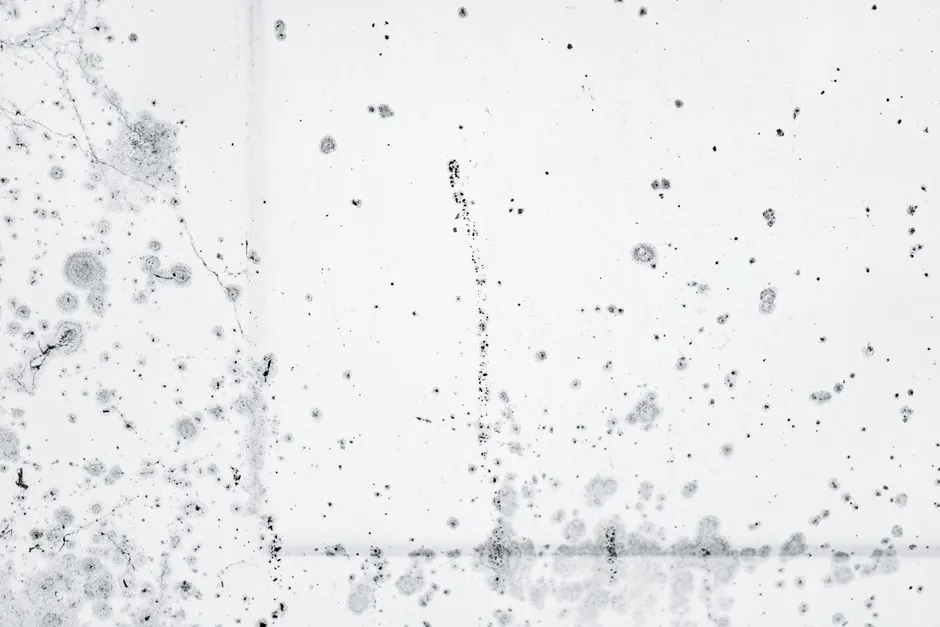
Irmo homes include established subdivisions, newer construction, townhomes, and properties with crawl spaces or attic assemblies that need different inspection access. Families usually call after a plumbing leak, roof stain, musty odor, or recurring growth near a bathroom or HVAC register. We focus first on stopping moisture, identifying affected materials, and protecting rooms that are not part of the work area. Residential mold removal may involve removing drywall or insulation that cannot be cleaned, cleaning salvageable surfaces, and drying the assembly. We explain what is happening in plain language, so you know which rooms are affected and what needs attention before rebuilding. If a child, older adult, or person with respiratory sensitivity lives in the home, tell us so we can discuss work-zone separation and access during the project.
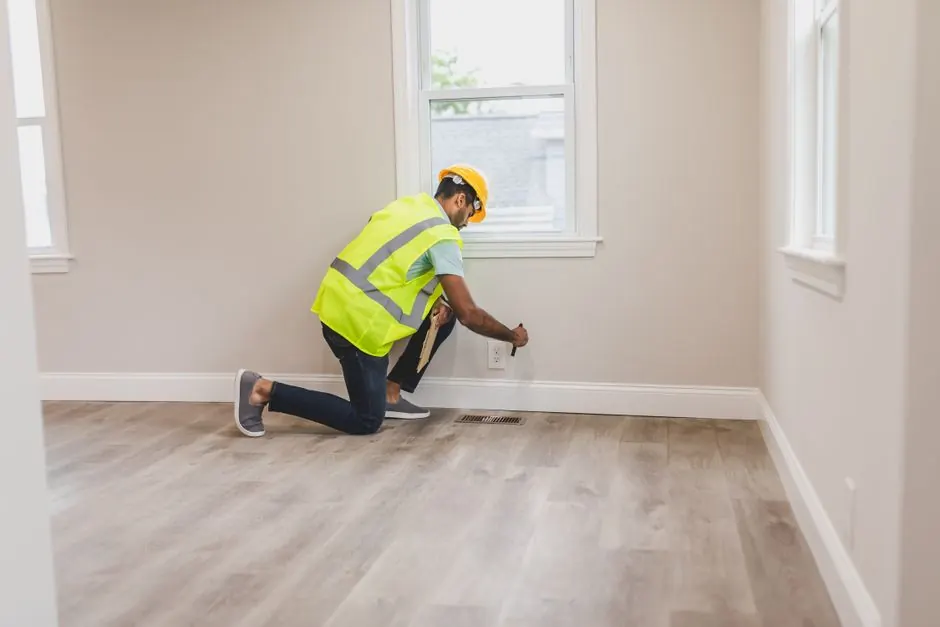
- Leak-affected room cleanup — We inspect the wet area and nearby materials, then remove porous items that cannot be restored and clean surfaces that can be retained. In an Irmo home, a small bathroom leak can reach a closet or hallway wall, so we check adjacent areas rather than stop at the visible stain. Drying follows removal and cleaning.
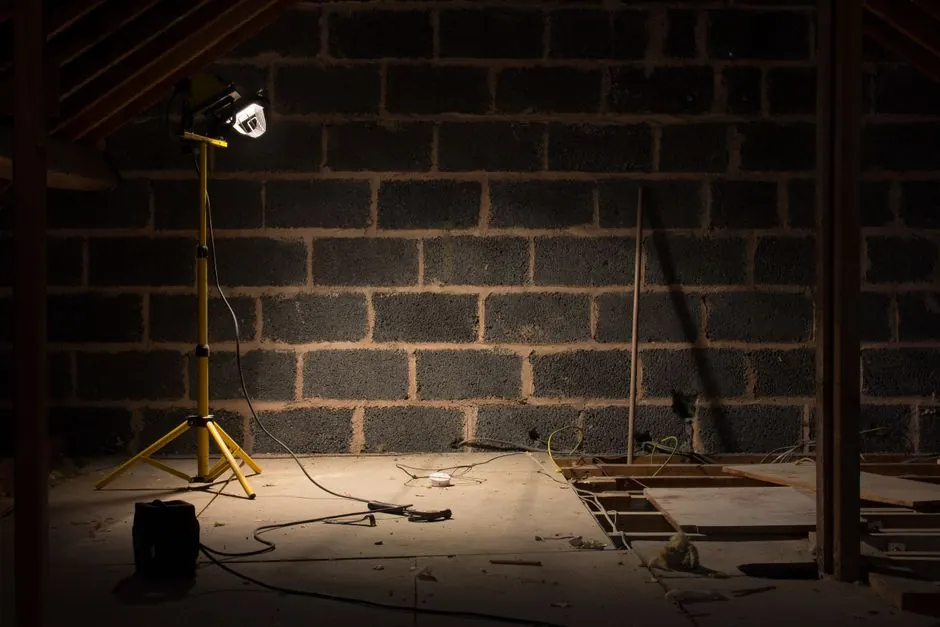
- Attic and roof leak remediation — When a roof leak stains a ceiling, we check accessible attic sheathing, insulation, and framing after the water entry is repaired. We remove contaminated material where cleaning is not practical, clean salvageable surfaces, and verify drying. This helps you avoid closing a damp assembly behind new drywall.
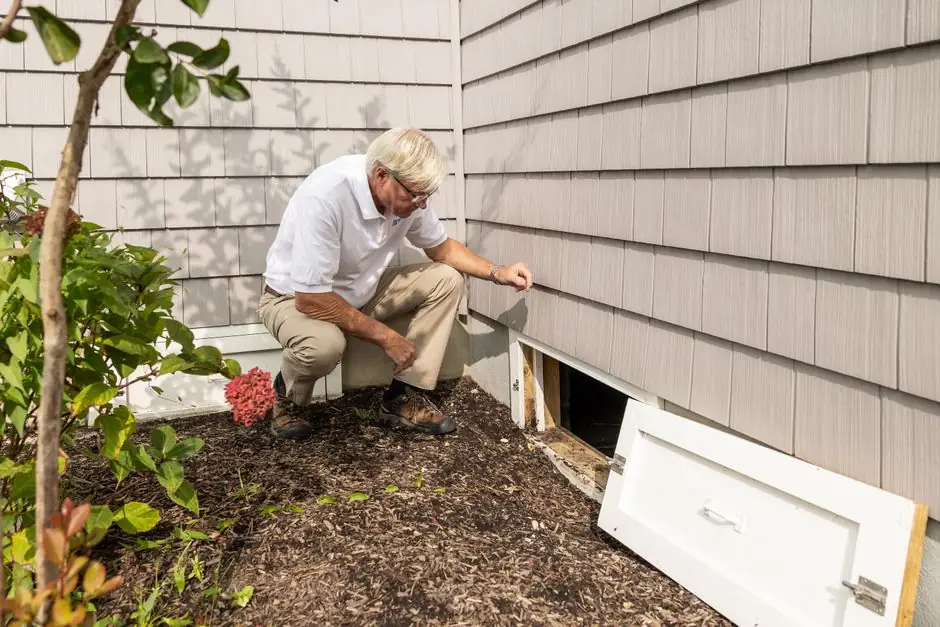
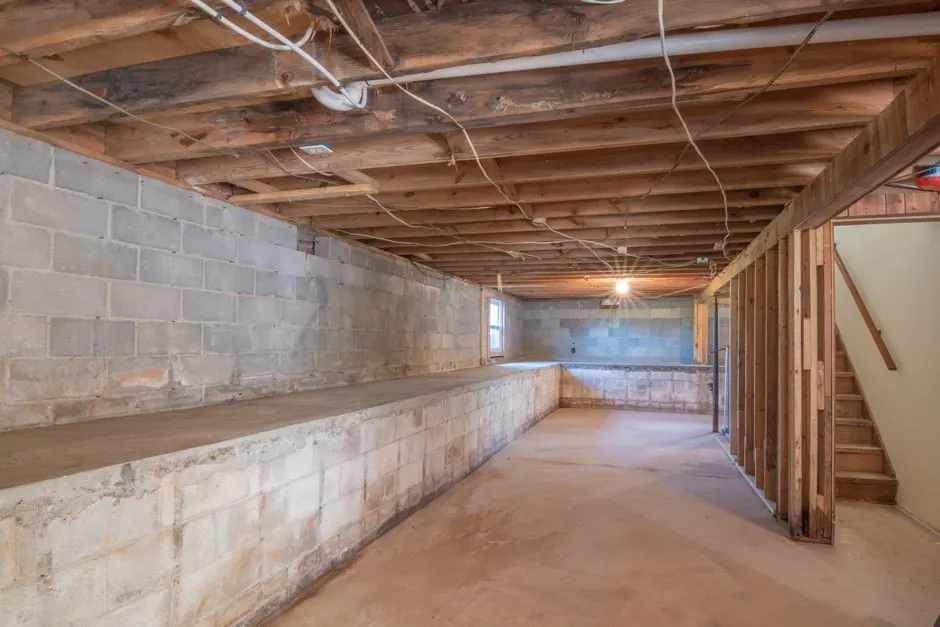
- Crawl space moisture remediation — Our team checks crawl space framing, insulation, and visible water entry beneath Irmo homes. We address damp materials and discuss moisture controls suited to the space, including a vapor barrier when appropriate. You receive practical findings about the source and the work needed, rather than a surface-only treatment.
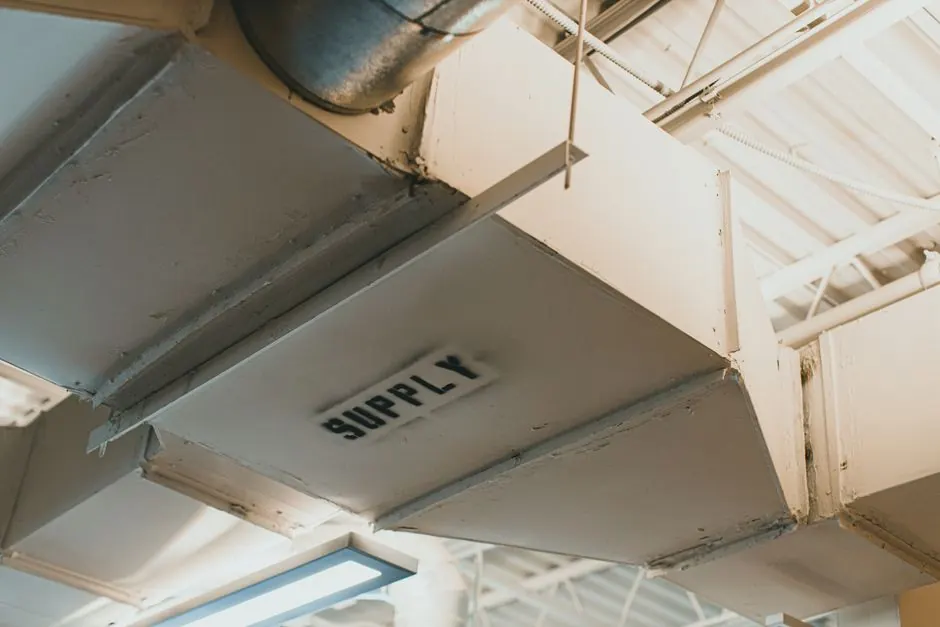
- HVAC-area mold assessment — Recurring condensation near an air handler or register can wet drywall, insulation, and nearby framing. We inspect accessible surfaces and confirm moisture before recommending removal or cleaning. If equipment drainage or operation is involved, we identify the issue for coordination with an HVAC professional while we remediate affected building materials.