

Residential Mold Remediation in Lexington
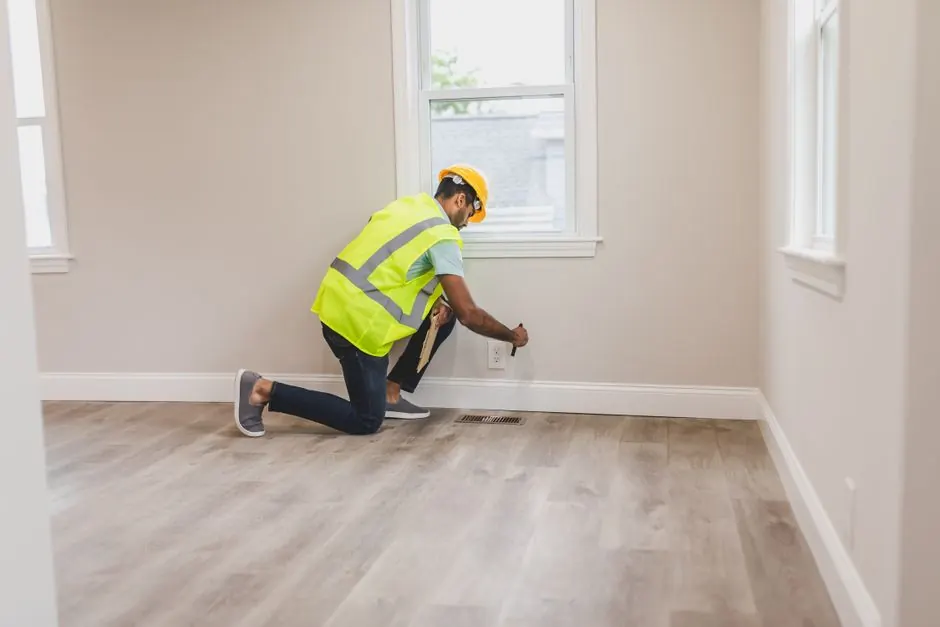
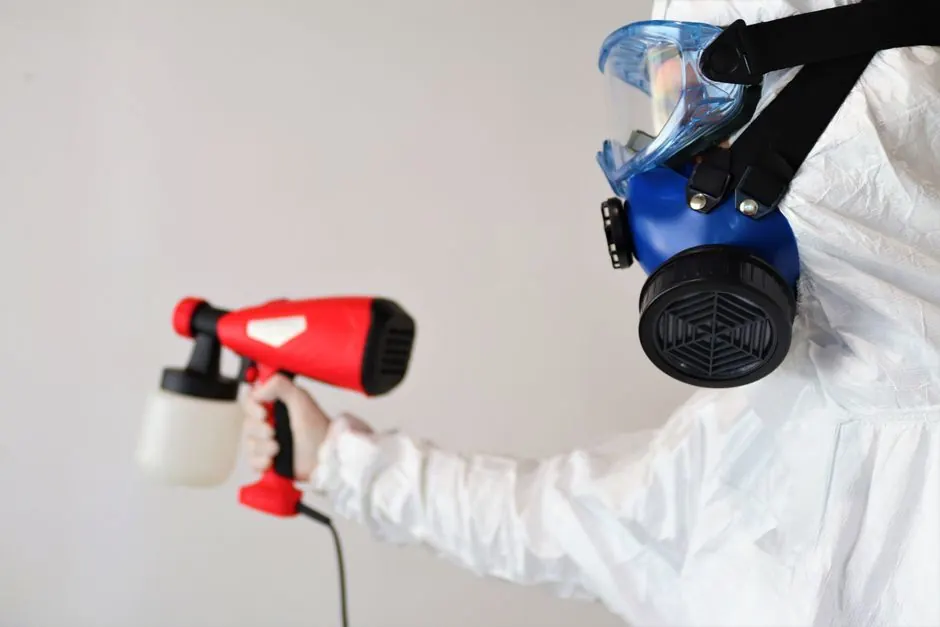
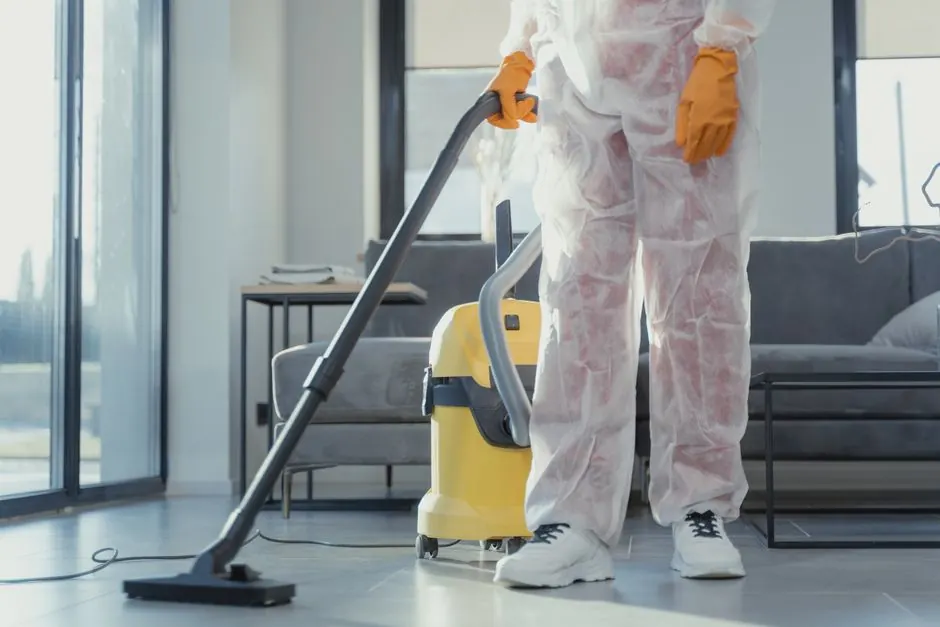
Lexington homes range from established properties near the town center to newer suburban construction with different ventilation, drainage, and crawl-space designs. A bathroom leak can affect a wall cavity; a roof leak can wet attic insulation; and high indoor humidity can leave condensation around HVAC components. We assess the source and affected materials before deciding what can be cleaned and what must be removed. Residential mold removal in Lexington, South Carolina should protect the rest of your home while the work is underway. We separate the affected area, protect nearby belongings, use HEPA filtration when appropriate, and explain what needs to dry before repairs. If you have children, pets, or a home office near the work zone, tell us so we can plan access and containment around your daily routine.
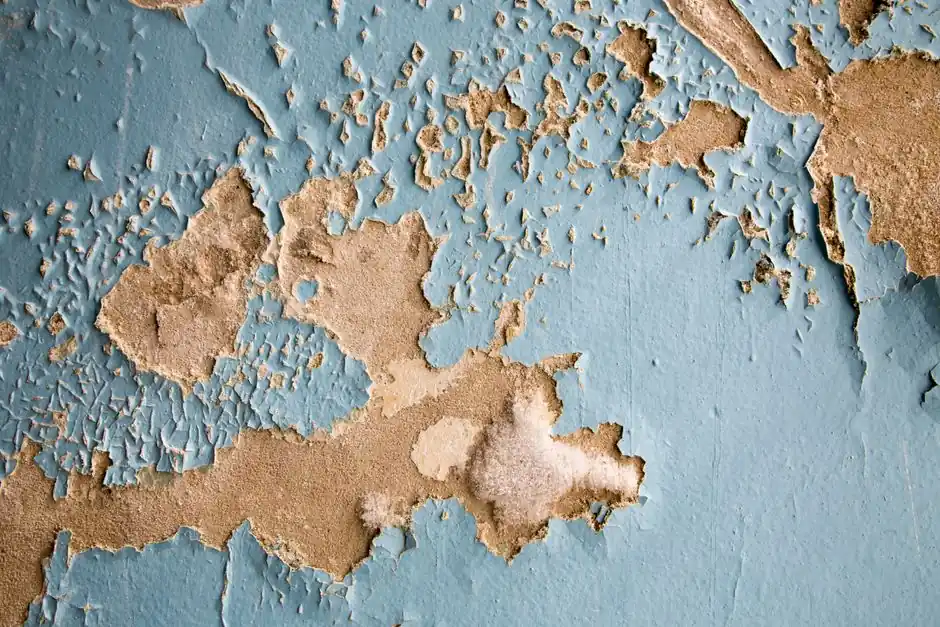
- Leak-affected room cleanup — We inspect the wall, ceiling, and floor around a leak in your Lexington home, then contain the affected area before removal. Wet drywall or insulation that cannot be restored is taken out; suitable surfaces are cleaned. We check moisture before the repair crew closes the assembly.
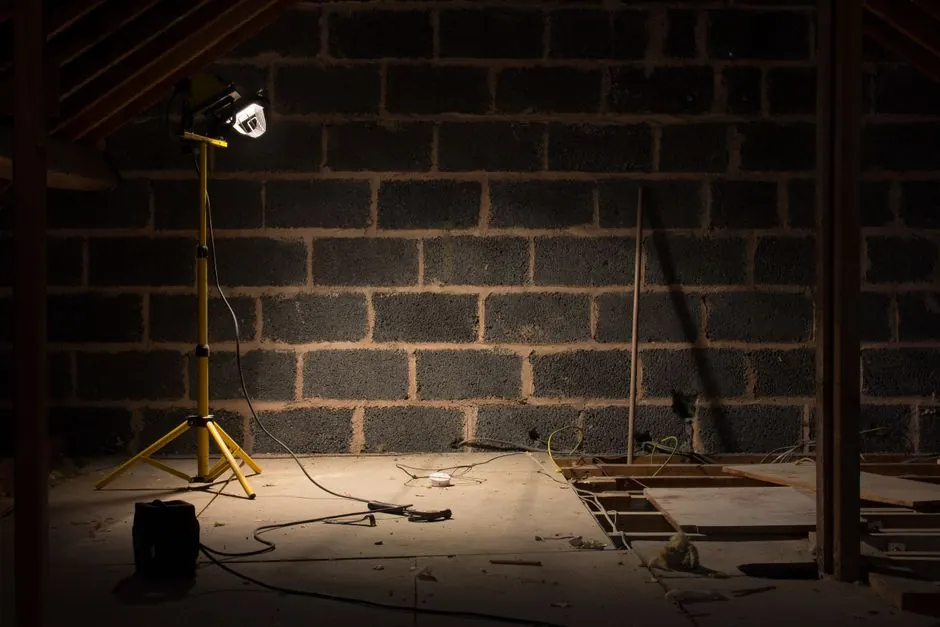
- Attic and roof leak cleanup — After a roof leak, we check attic decking and insulation beyond the visible ceiling stain. In Lexington, storm-related water entry can spread along framing before it appears indoors. We remove affected material, clean suitable surfaces, and identify damp areas that must dry before replacement.
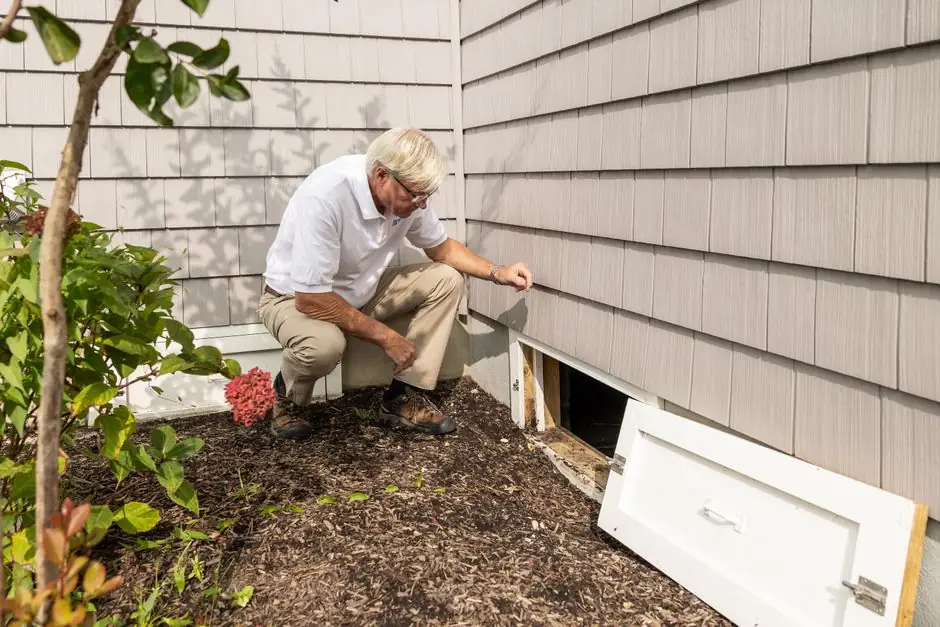
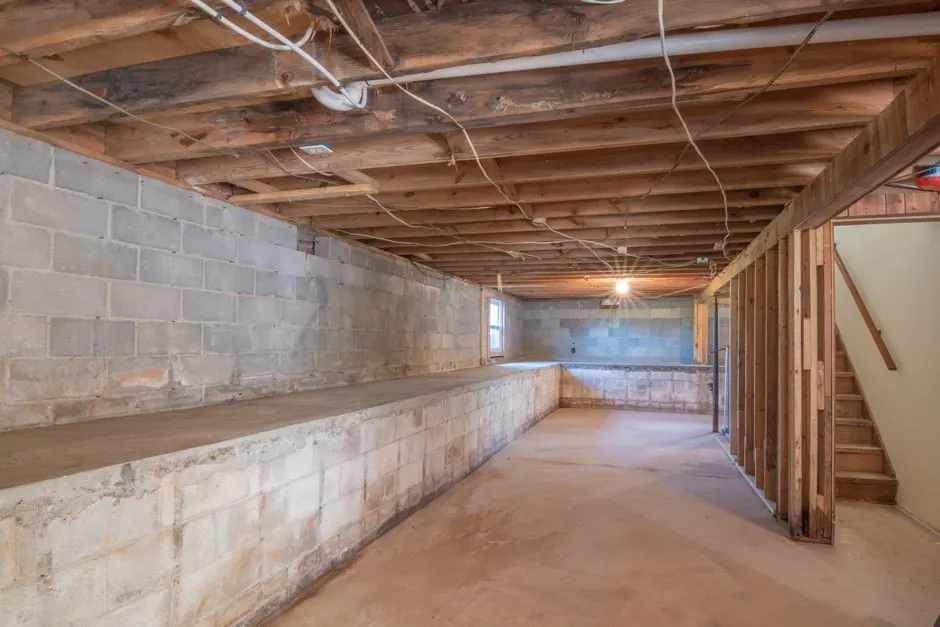
- Crawl-space moisture remediation — We inspect crawl-space framing, insulation, and ground-cover conditions to understand why moisture persists. If mold-contaminated materials are present, we isolate the work area and remove them safely. You receive clear information about the moisture source and what needs attention to reduce recurrence.
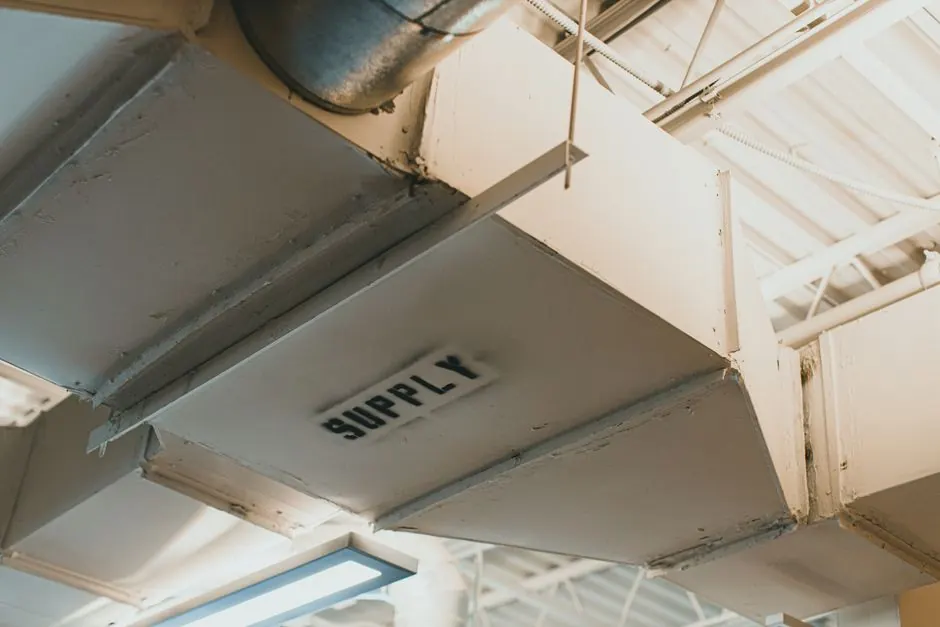
- HVAC moisture and mold assessment — We check the areas around HVAC components when condensation, odor, or visible growth raises concern. Our inspection focuses on accessible surfaces and nearby insulation, not assumptions based on smell alone. We identify the cleanup boundary and whether another trade must correct a drainage or equipment issue.