
Residential Mold Remediation for Loris Homes
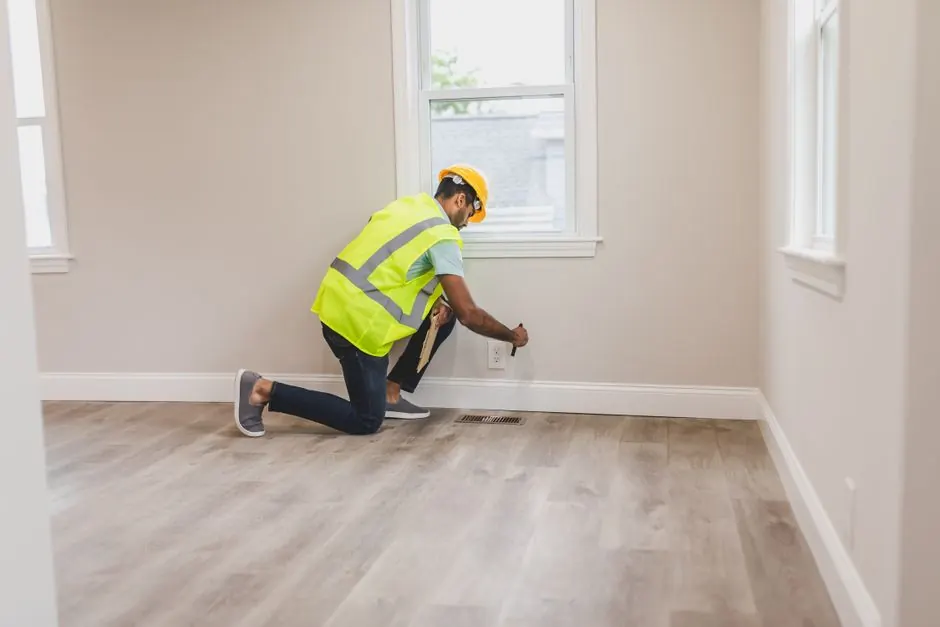
Residential Mold Remediation in Loris often involves a crawl space, attic, bathroom, kitchen, or utility area where a leak has gone unnoticed. The housing stock includes detached houses, manufactured homes, additions, and older structures with repairs made across different years. Those building details matter: a stain in a newer ceiling may have a different path than damp insulation below a raised home. We inspect the room and adjoining materials, protect household areas, and explain what can be cleaned versus removed. If the leak is active, we prioritize stopping water entry and drying the structure. Families need a workable plan, so we keep pathways clear and identify which rooms remain usable during the job.
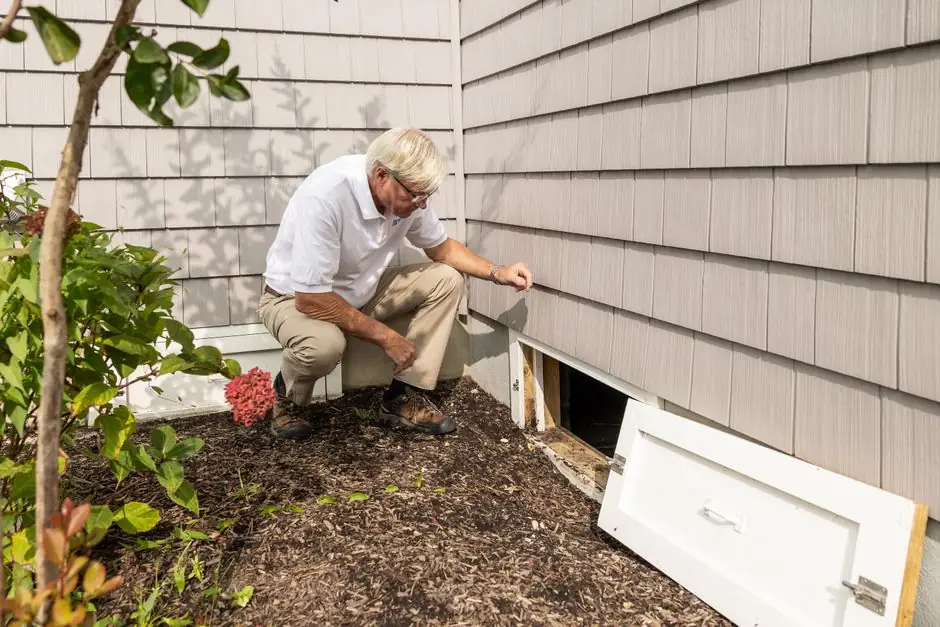
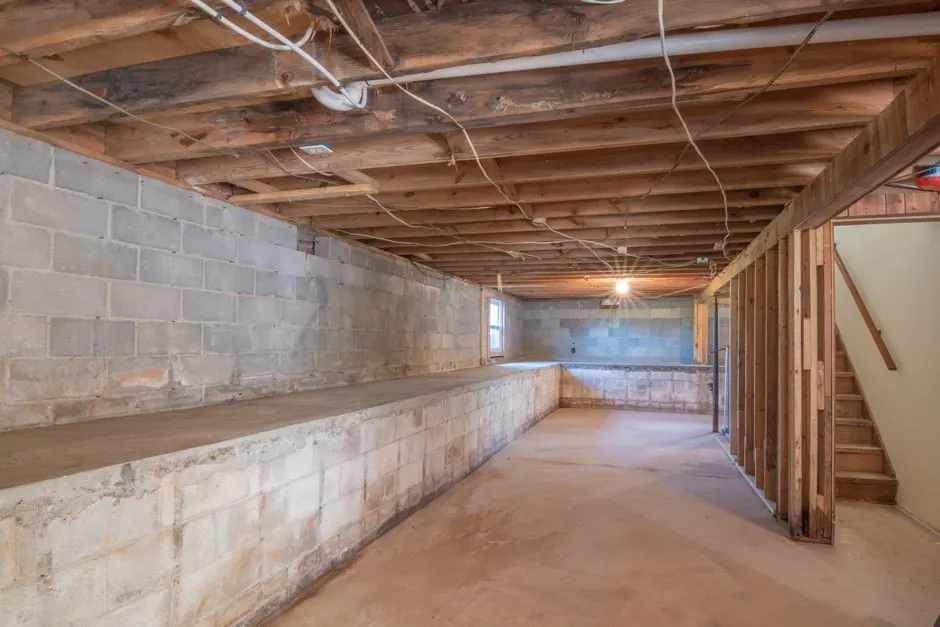
- Crawl-space moisture cleanup — We inspect framing, ground coverage, and insulation beneath Loris homes, then set a contained work area where the conditions call for it. Wet insulation that cannot be cleaned is removed, affected framing is cleaned, and moisture readings guide drying. We also identify whether drainage or ground moisture needs attention.
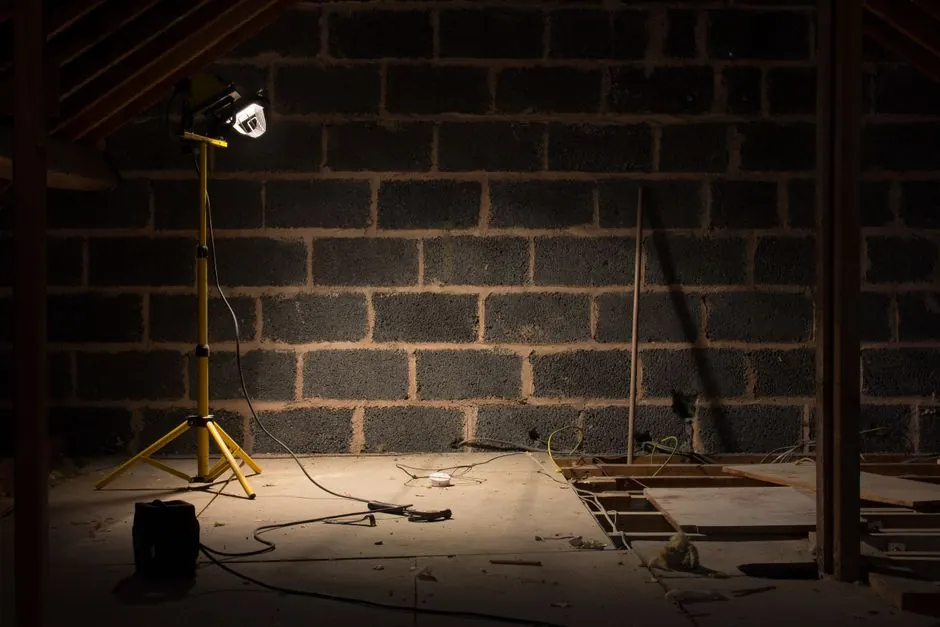
- Attic leak-related remediation — If you see a ceiling stain, we trace the moisture into the attic rather than assuming the mark is the full extent. Our team checks roof decking and insulation, removes damaged porous materials as needed, cleans retained surfaces, and confirms that the roof entry is corrected before new materials are installed.
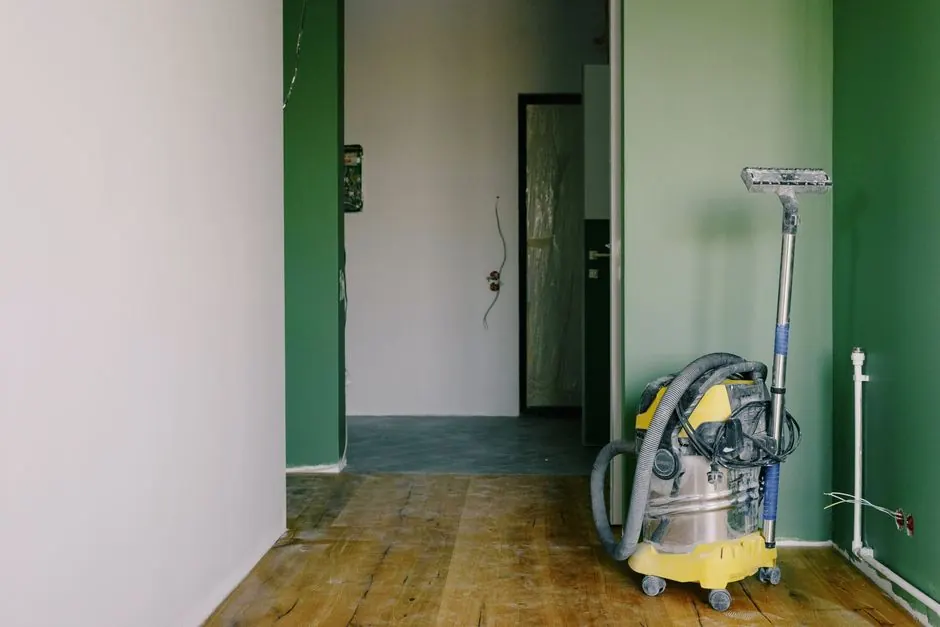
- Kitchen and bathroom cleanup — Small plumbing leaks behind cabinets or around fixtures can keep wall materials damp in Loris homes. We check the affected surfaces and nearby cavity, remove material that cannot be dried, and clean sound surfaces. You get a clear work boundary and a drying check before the repair stage.
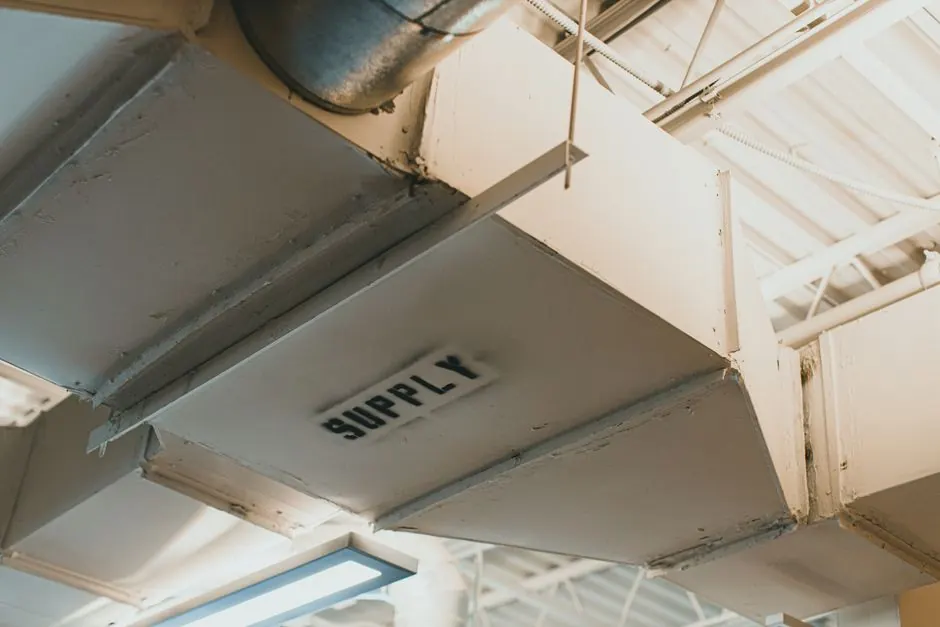
- HVAC moisture assessment — We inspect accessible HVAC components and nearby surfaces when condensation or musty air points to a moisture problem. In your Loris home, we check drain areas, insulation, and affected materials, then separate remediation from routine equipment service. The aim is to stop dampness from recurring around the system.