




Residential Mold Remediation for Pendleton Homes
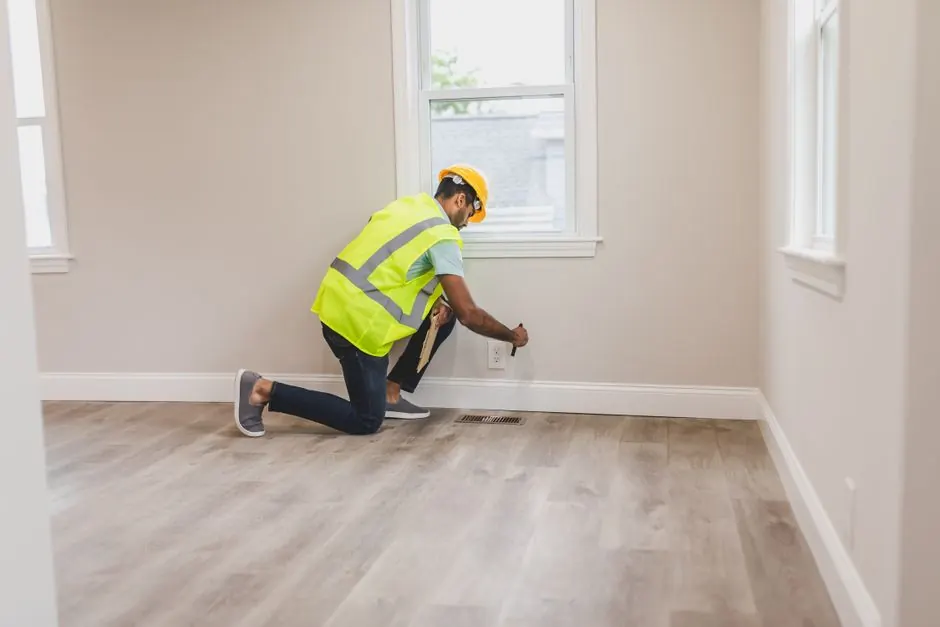
Pendleton homes range from historic properties near the town center to newer construction, rentals, and houses with crawl spaces on the roads leading toward Clemson and Central. Each type of home hides moisture differently: plaster can conceal a damp cavity, attic insulation can stay wet after a roof leak, and floor framing can hold moisture below a finished room. We plan residential mold removal around your household's access, contents, and safety. Our crew isolates the affected space, protects nearby belongings, and checks materials before deciding what can be cleaned or must be removed. We also look for the water source so the repair addresses more than the visible patch. If your family is living in the home during work, we explain which rooms remain available and how long the contained area is expected to stay closed.
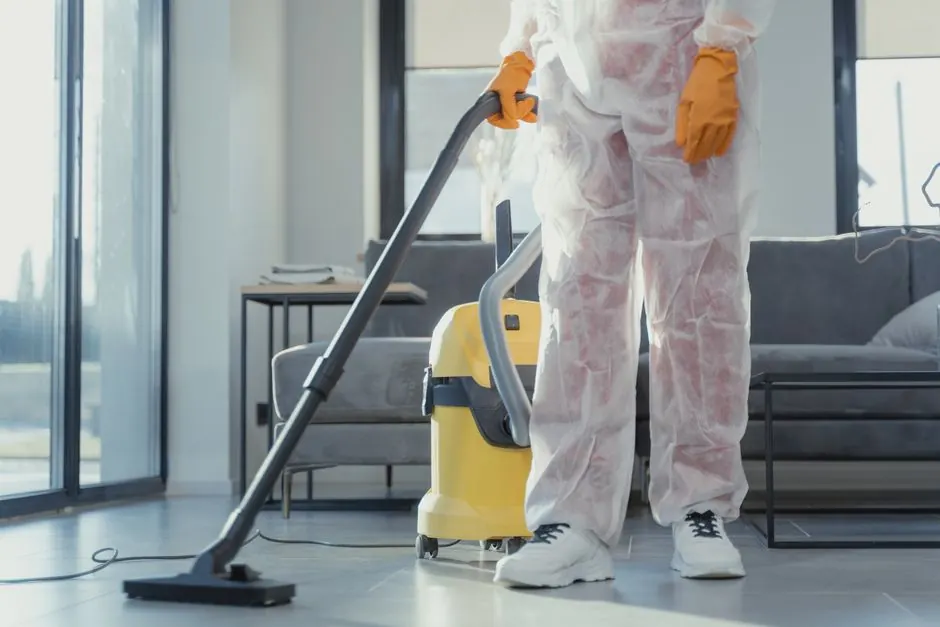
- Contained room cleanup — For a bedroom, bathroom, or utility room in Pendleton, we separate the work area from the rest of your home with containment and filtration suited to the job. We remove damaged porous materials, clean surfaces that can be retained, and dry the exposed area before repairs. You know which rooms to avoid while work is underway.
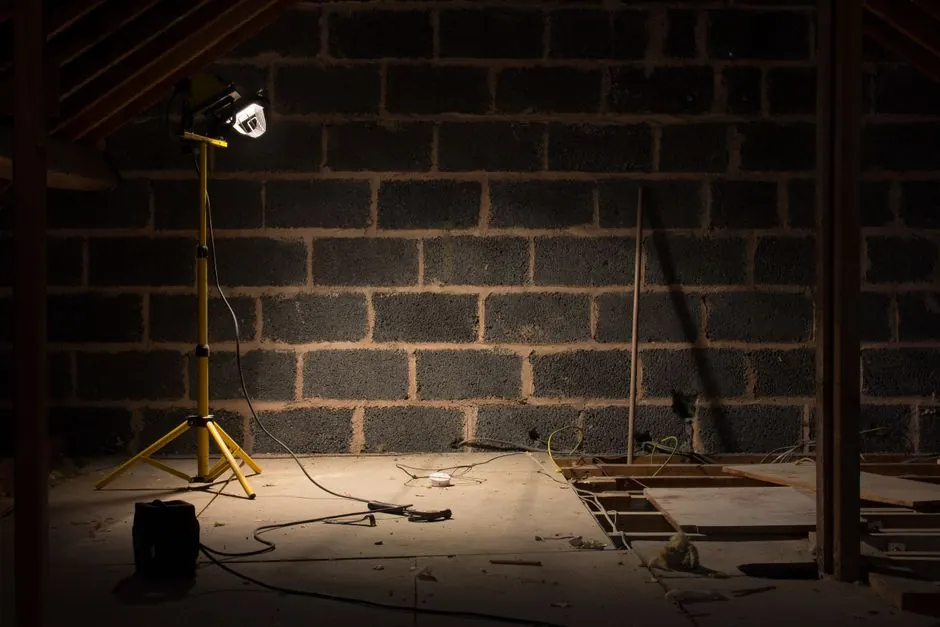
- Attic and roof leak cleanup — A ceiling stain can hide wet insulation or roof sheathing above it. We inspect the attic around the affected room, identify the extent of water intrusion, and remove material that cannot be cleaned. In Pendleton homes, we confirm the roof leak is addressed and check moisture readings before the ceiling is rebuilt.
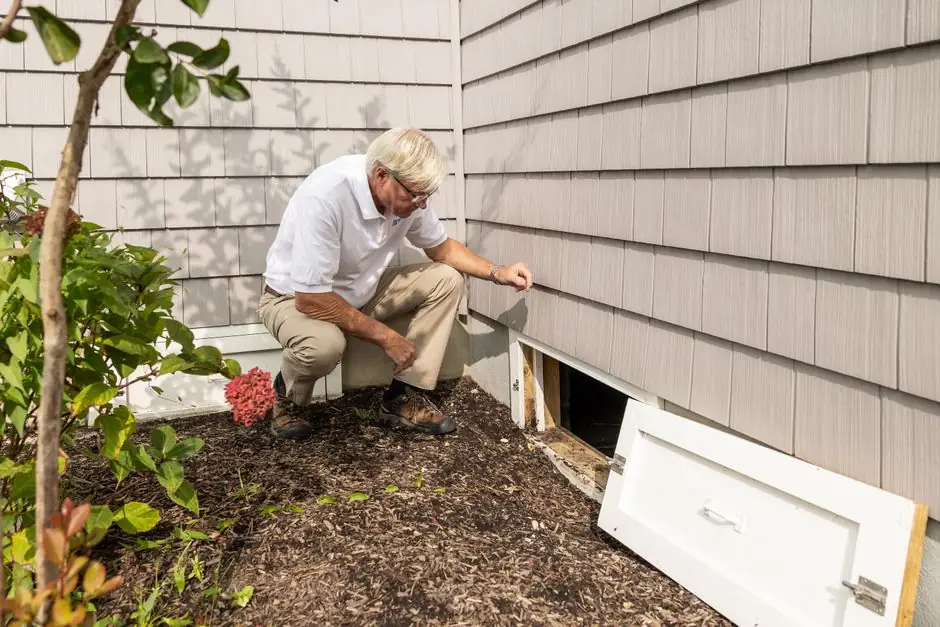
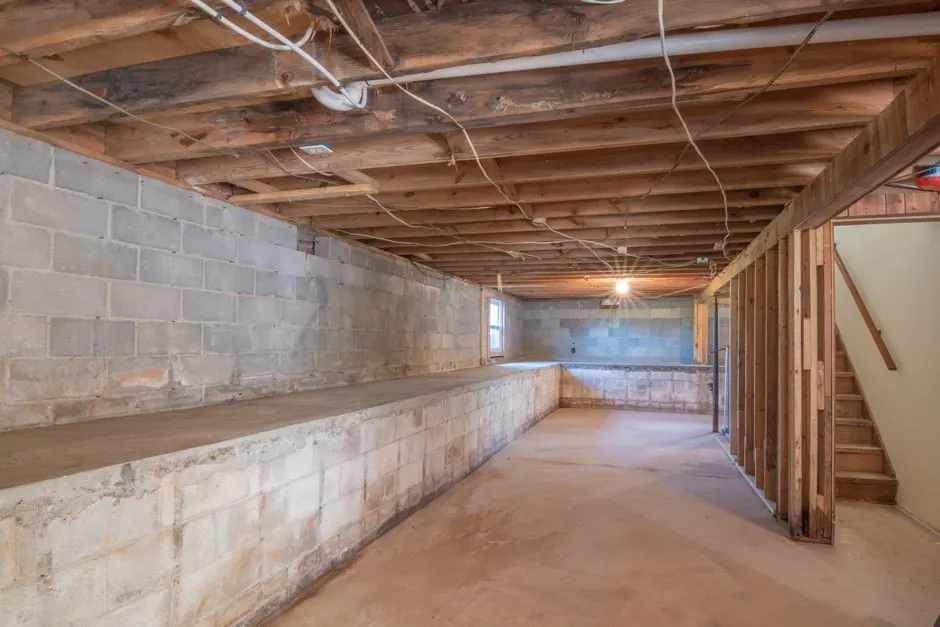
- Crawl space moisture control — We inspect below your Pendleton home for damp framing, contaminated insulation, and ground moisture. The crew removes affected porous materials and dries salvageable surfaces, then discusses a vapor barrier where site conditions support one. You receive a practical account of what was found and which moisture conditions need correction.
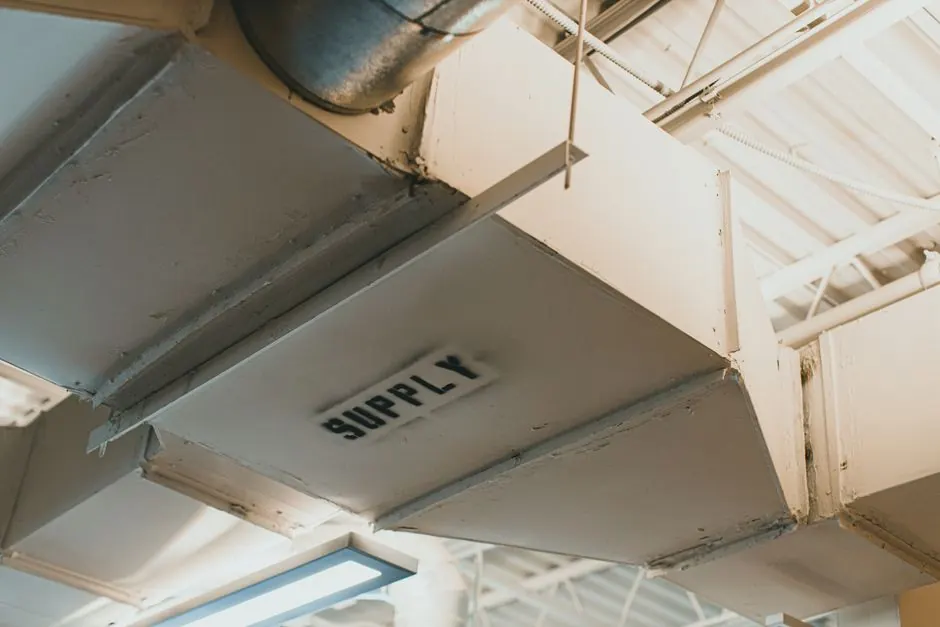
- HVAC area mold assessment — If you notice a musty smell near a vent or water around an air handler, we inspect the equipment area and adjacent finishes before recommending work. We check drainage and nearby moisture, then separate HVAC concerns from building-material remediation. That prevents unnecessary removal when the source is a correctable condensation or drainage issue.