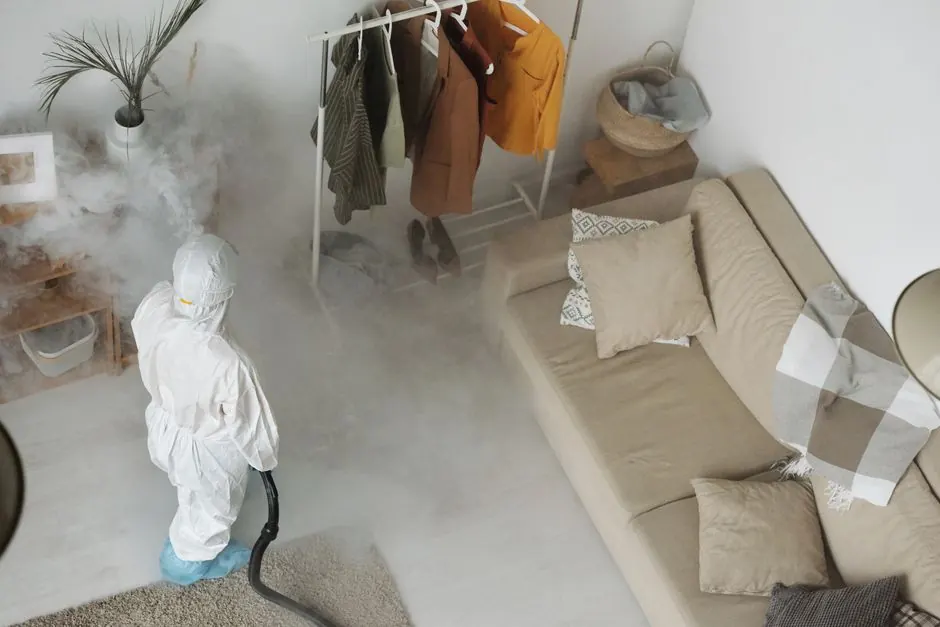
Residential Mold Remediation in Ridgeland Homes
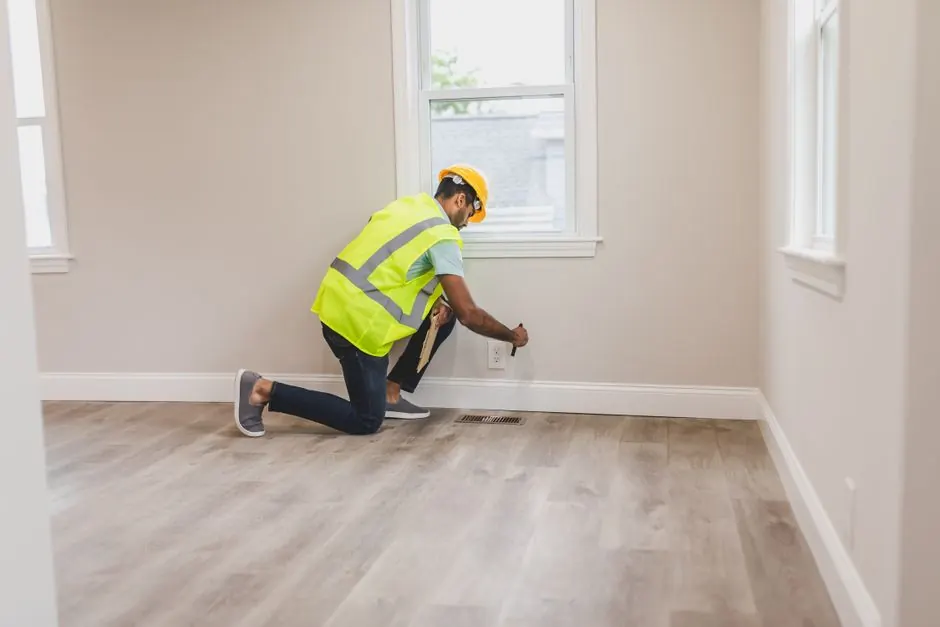
Ridgeland homes include detached houses, rental properties, and older buildings with different attic, crawl space, and plumbing layouts. A roof leak can soak insulation before a ceiling stain appears; a slow pipe leak can keep drywall damp behind a cabinet. We begin by listening to what you have noticed, then inspect related spaces and measure moisture. Residential mold removal is planned around your household, including which rooms can stay in use and how we protect contents. We separate the affected zone, remove materials that cannot be cleaned, and keep you informed as drying progresses. If the source involves a roof, plumbing line, or HVAC component, we explain the repair needed so cleanup is not treated as a stand-alone fix.
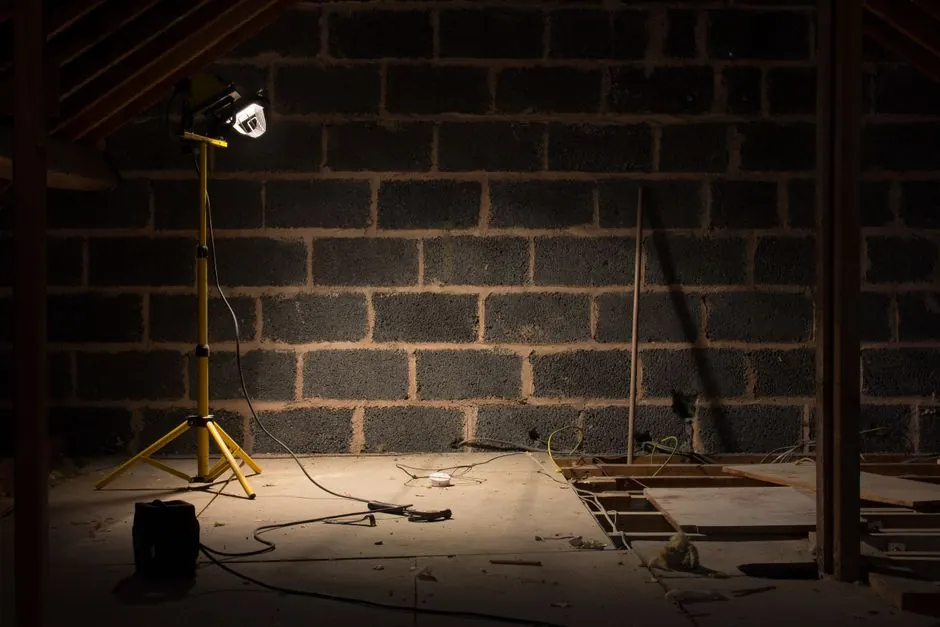
- Attic leak and mold cleanup — For Ridgeland homes with attic staining after rain, we inspect the roof-side sheathing and insulation, then trace the likely leak pattern. We contain removal, protect the hatch and access route, and clean suitable framing. Correcting the roof opening comes first; otherwise, new rain can wet the same area again.
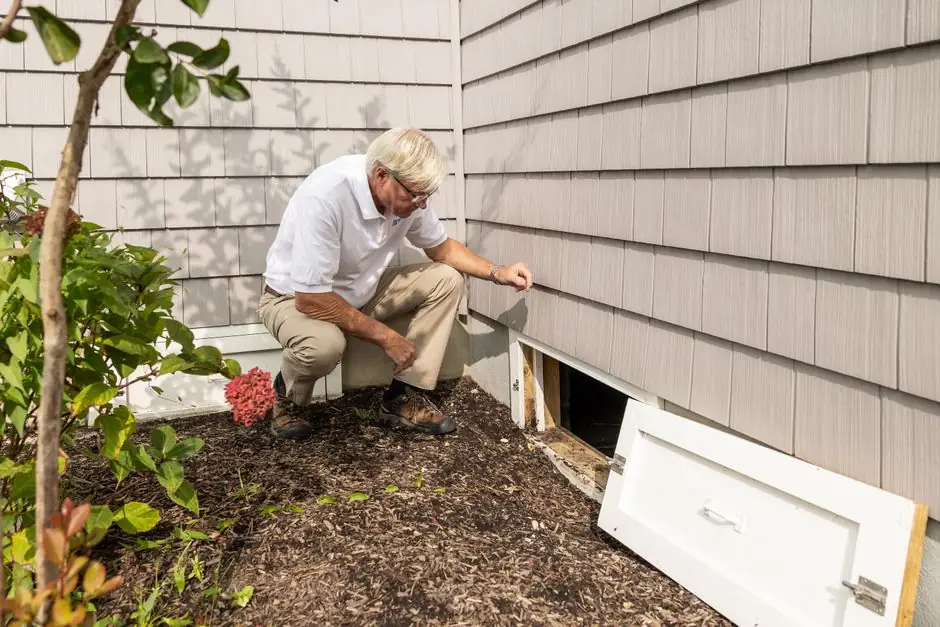
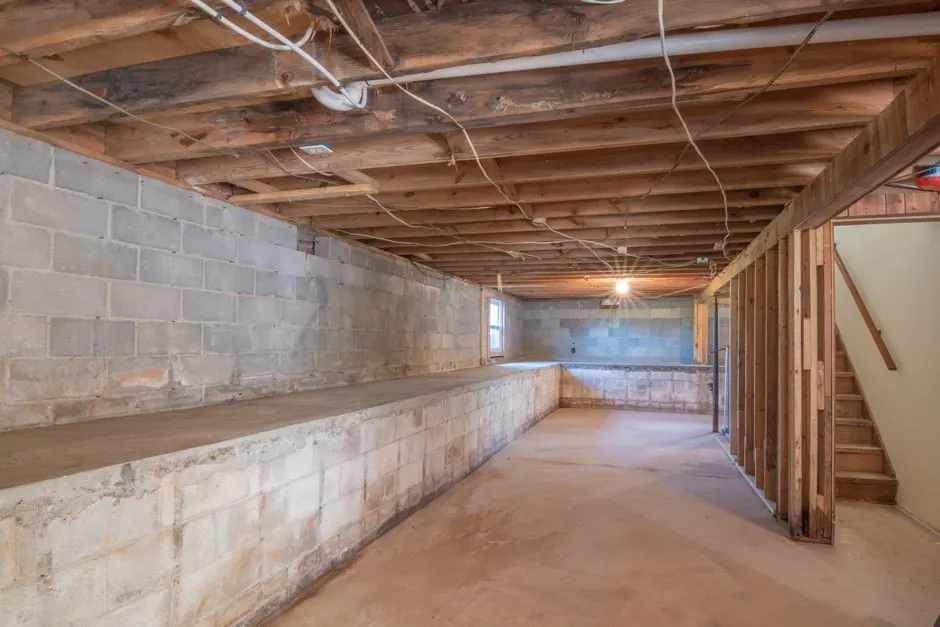
- Crawl space moisture remediation — We check damp insulation, floor framing, and ground coverage beneath Ridgeland homes. After the water source is corrected, we remove unsalvageable materials, clean suitable surfaces, and monitor drying. You will know whether the next step involves plumbing repair, improved drainage, or a crawl space vapor barrier.
- Leak-affected room restoration — A bathroom, laundry room, or kitchen leak can wet drywall and trim without leaving a large puddle. We map the damp area, protect nearby contents, and remove porous material when cleaning cannot restore it. In your Ridgeland home, we keep the work focused and verify the surrounding materials are drying.
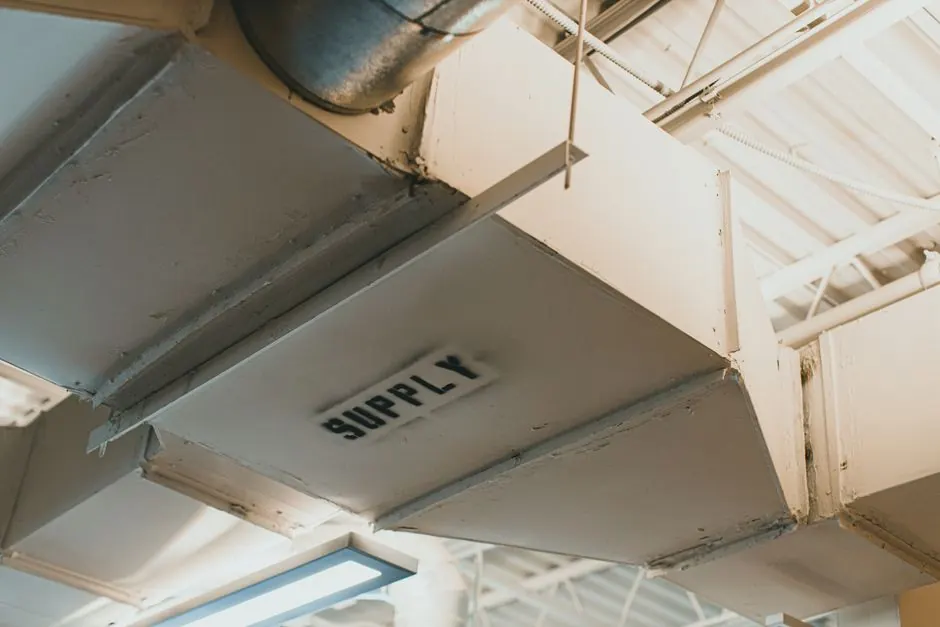
- HVAC condensation cleanup — If water repeatedly forms near your air handler or ducts, we inspect the adjacent wall, insulation, and accessible components. Our Ridgeland team separates building cleanup from mechanical repair, so the HVAC source is corrected while damaged materials are removed and dried. We check for continuing moisture before the area is closed.