
Residential Mold Remediation for St. Andrews Homes
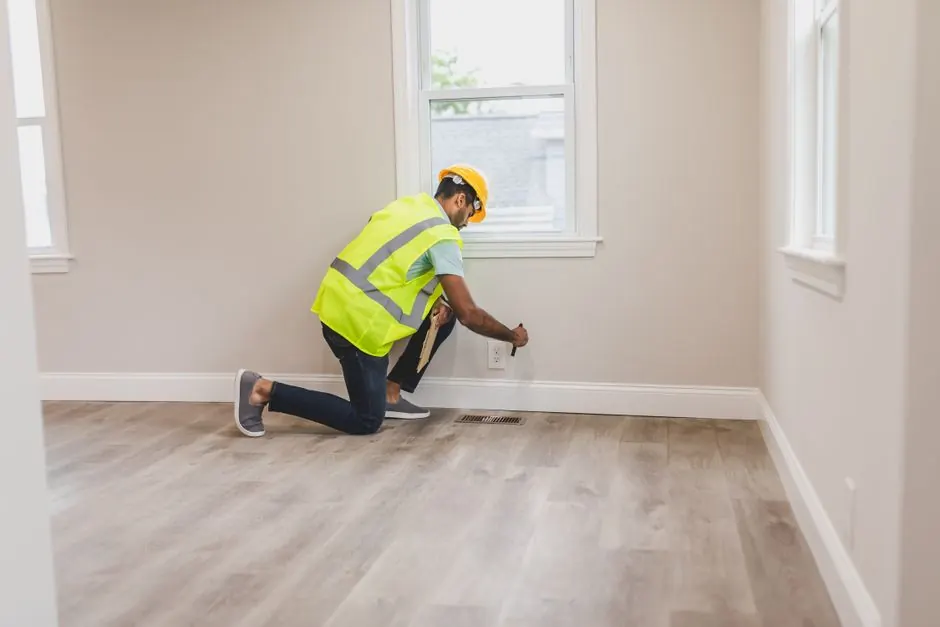
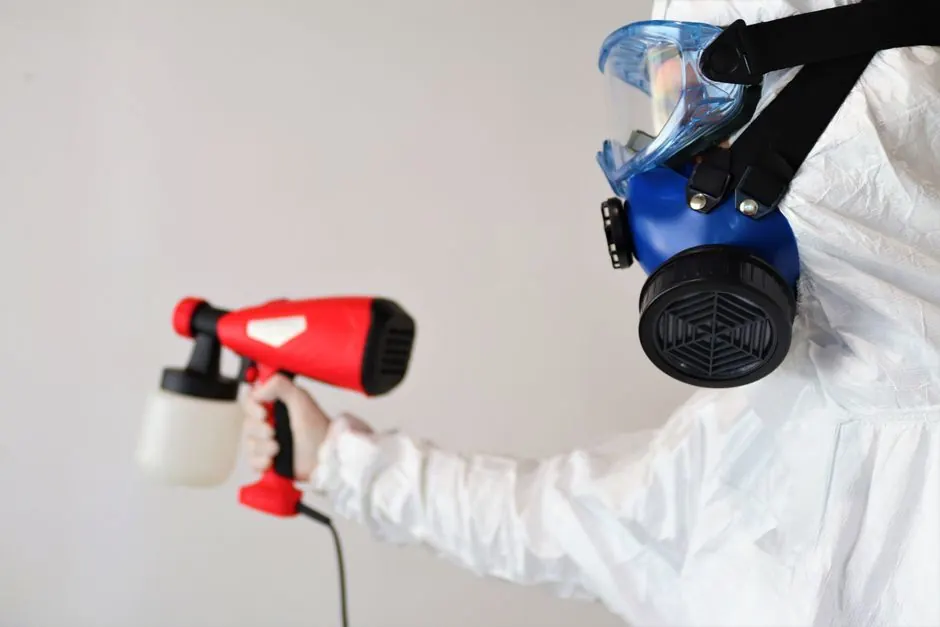
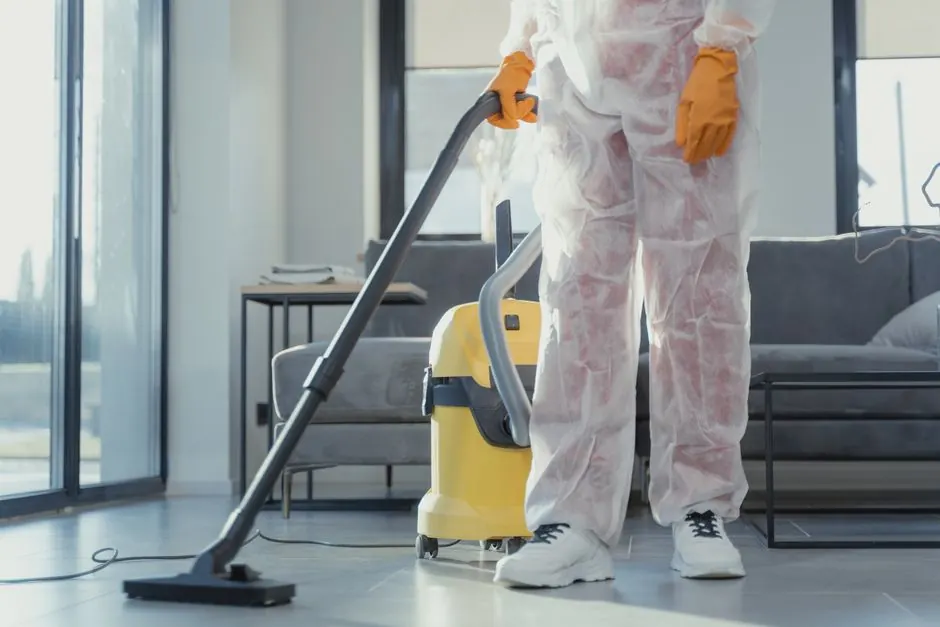
Homes in St. Andrews include both crawl-space and slab construction, and the moisture path differs between them. A leak under a sink may affect cabinet panels and wallboard; a roof leak can wet attic insulation before a ceiling stain appears. Our residential mold removal in St. Andrews, South Carolina, starts with the affected room and checks the connected materials. We protect living areas, keep the work boundary clear, and explain which contents or finishes need to be moved. If a child's bedroom, kitchen, or shared hallway is involved, we plan the access route and equipment placement around household use. Once the leak is corrected, we remove material that cannot be cleaned, clean remaining suitable surfaces, and confirm drying before finish repairs. That sequence helps you avoid sealing damp material behind a new wall.
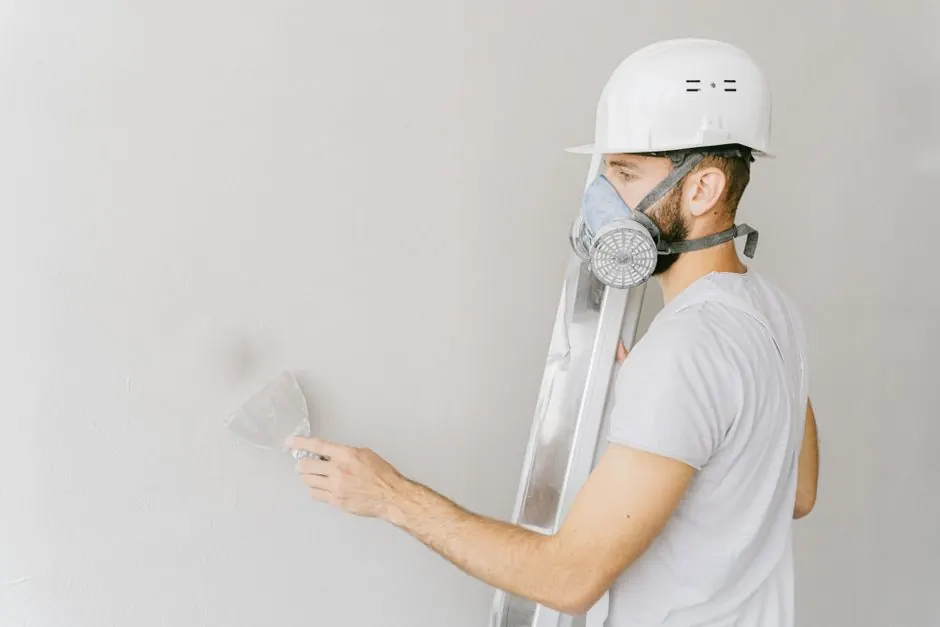
- Leak-affected wall removal — We inspect the wet boundary around a plumbing or storm-related leak and separate the work area from the rest of your home. In St. Andrews, drywall and insulation may hold moisture beyond the visible stain; we check nearby surfaces before removal and dry the cavity before repairs.
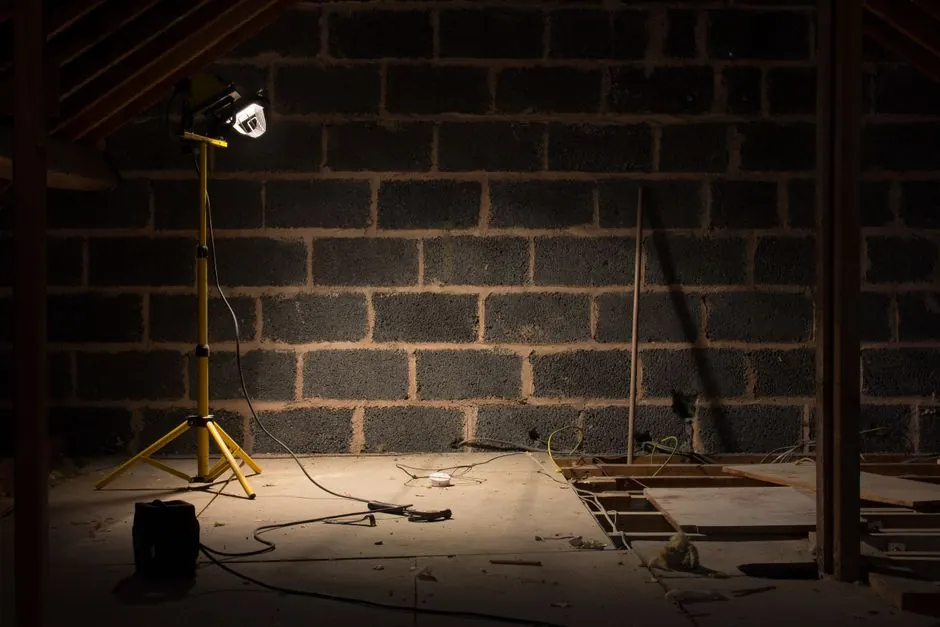
- Attic and roof leak cleanup — After a storm, we check accessible sheathing and insulation above the stained ceiling. We remove material that is wet and cannot be cleaned, clean suitable surfaces, and coordinate the work with roof-source correction so your repaired ceiling is not covering an active leak.
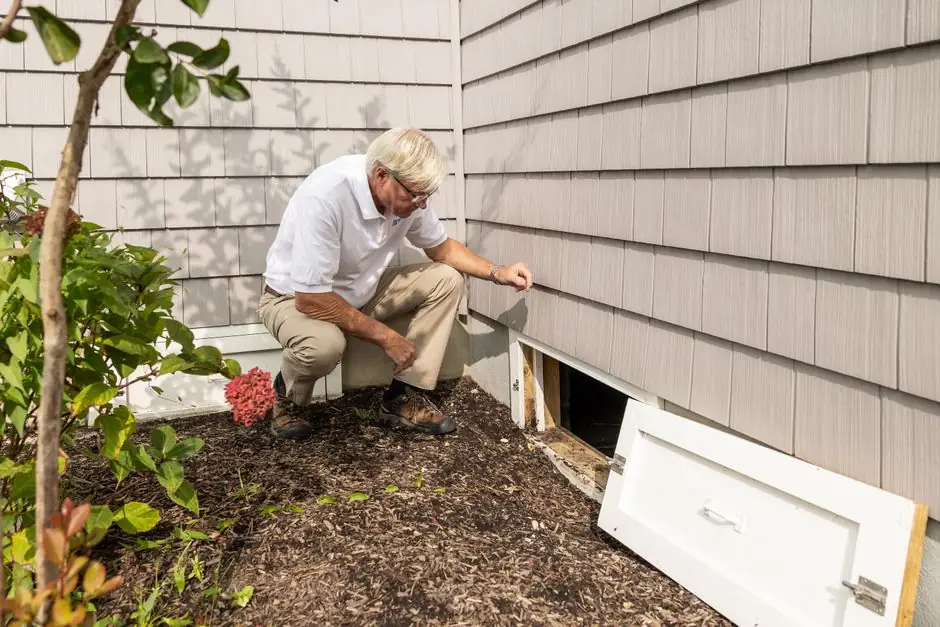
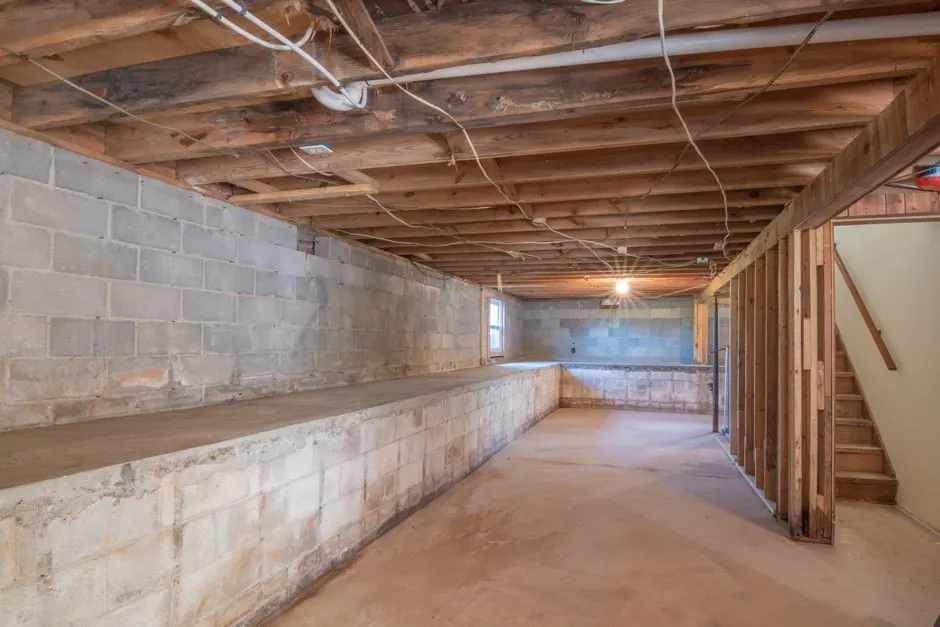
- Crawl-space material remediation — We inspect accessible floor framing and insulation for dampness, growth, and plumbing leaks. In St. Andrews homes with crawl spaces, we contain the affected section, remove contaminated porous material as needed, and discuss ground moisture controls based on what the inspection finds.
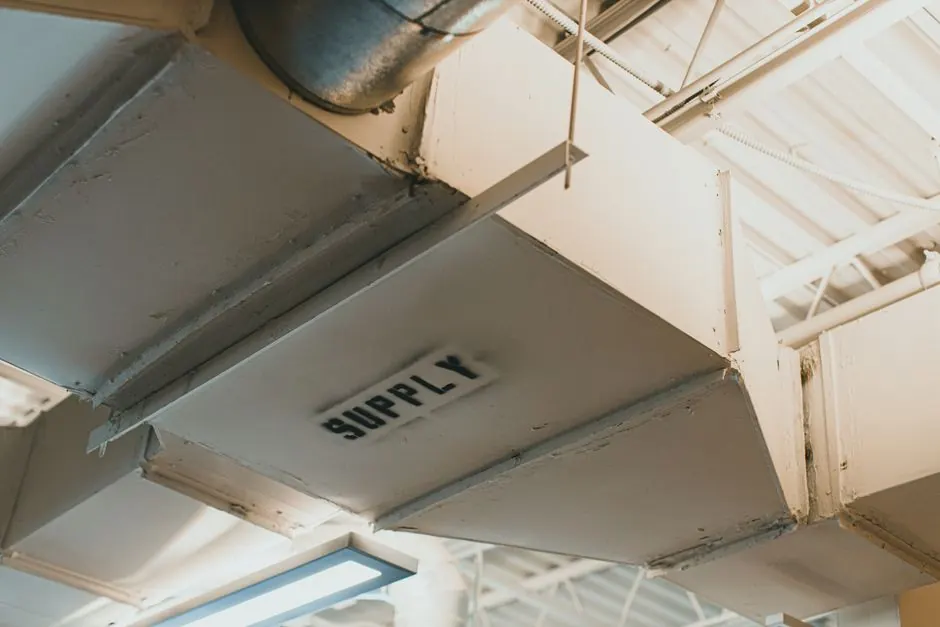
- Bathroom and HVAC-area cleanup — Repeated condensation or a hidden plumbing leak can affect bathroom finishes or materials around an HVAC component. We locate the wet area, protect adjoining rooms, clean suitable surfaces, and identify ventilation or equipment concerns that need correction before the assembly is closed.