


Residential Mold Remediation for St. Stephen Homes
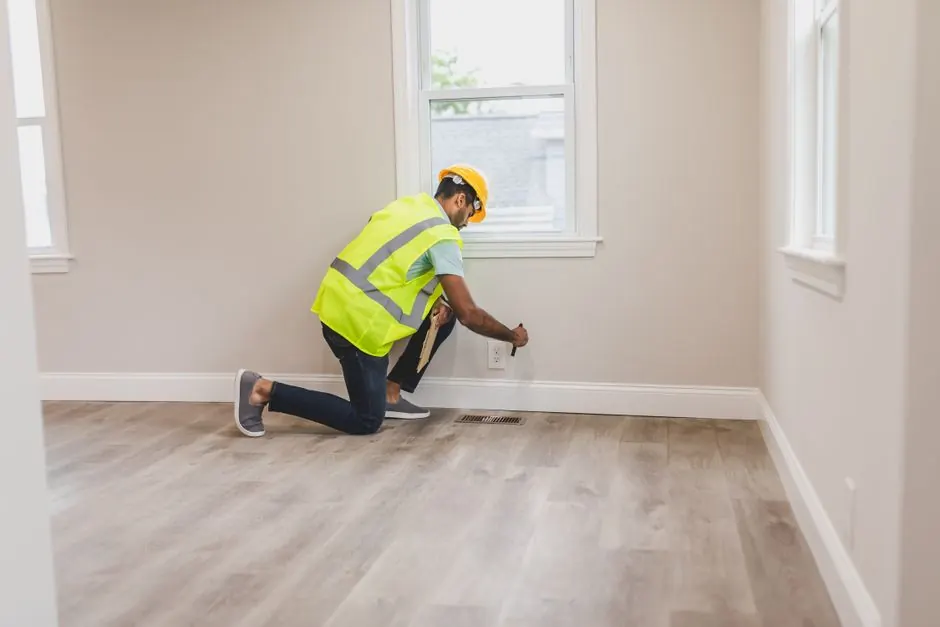
Residential Mold Remediation in St. Stephen covers more than visible spots on a bathroom wall. Many households have wood framing, attic insulation, and crawl spaces that can conceal water intrusion after roof or plumbing leaks. We check the room you are concerned about and nearby materials, then explain what can be cleaned and what needs removal. Our team uses containment to keep debris out of unaffected living areas and plans equipment placement around your home's access. If you have children, pets, or a room used every day, tell us before work begins so we can organize the sequence. We also coordinate the drying stage with the repair of the leak, because replacing finishes over damp materials invites the problem back.
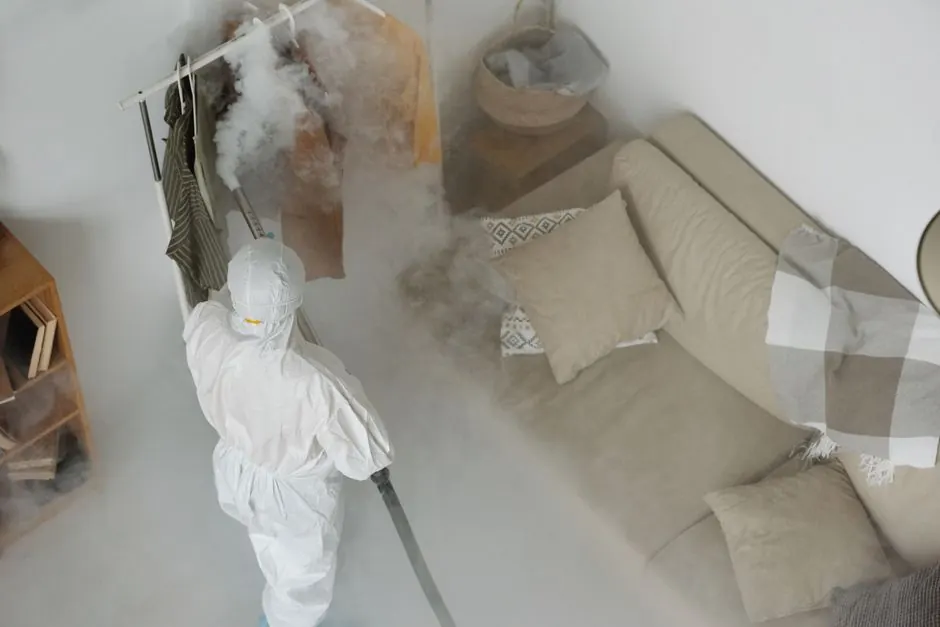
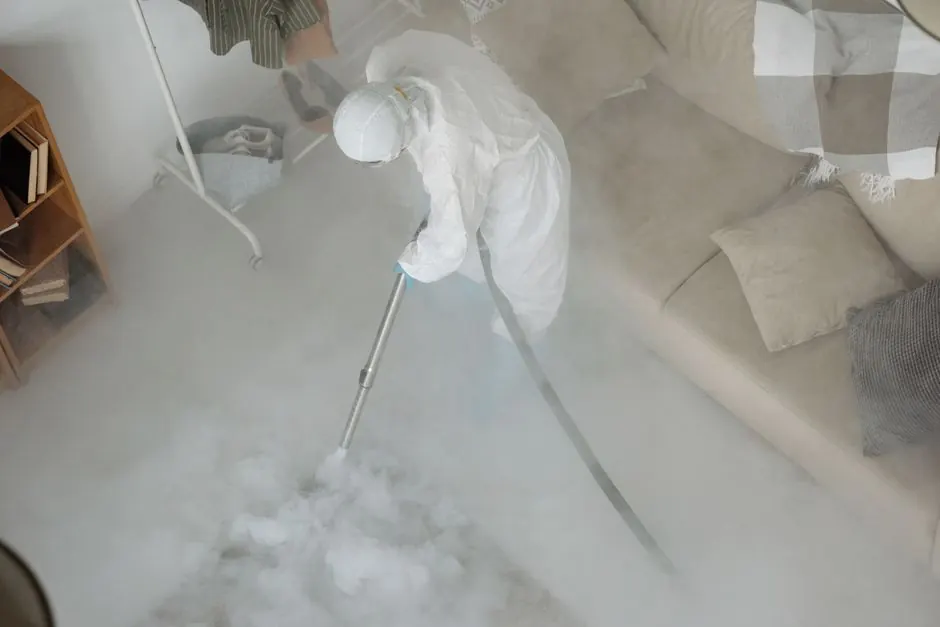
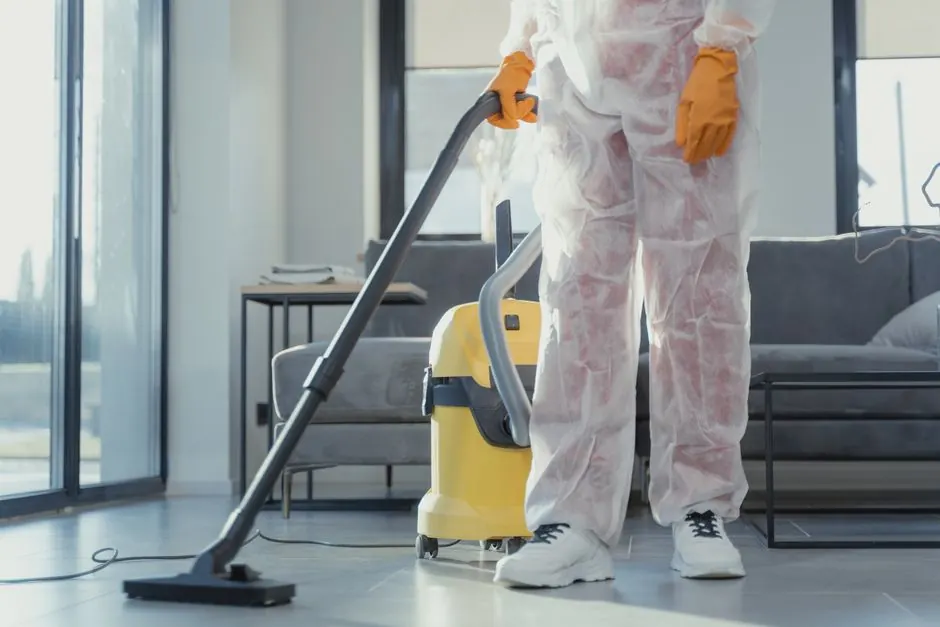
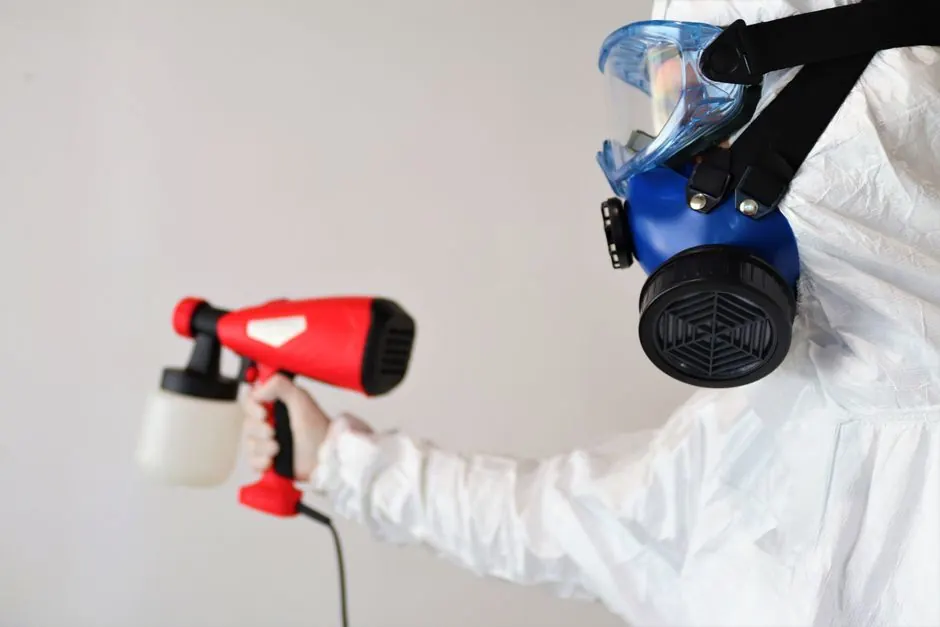
- Room-by-room containment and cleanup — We isolate affected bedrooms, bathrooms, or utility rooms in St. Stephen homes so dust and debris do not spread into the rest of the house. The crew uses suitable protective equipment and HEPA filtration, removes damaged porous material where needed, and cleans remaining surfaces before drying.
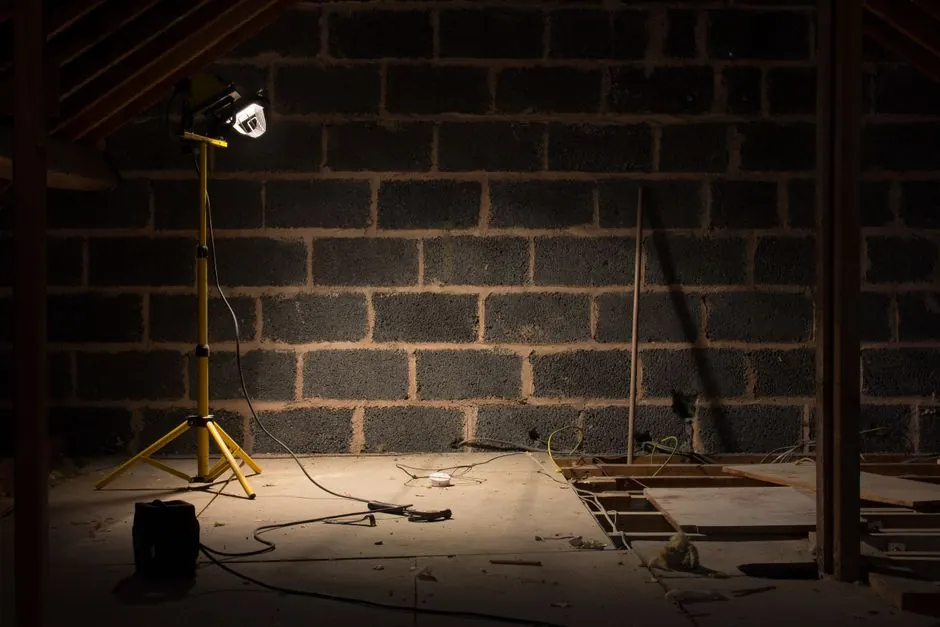
- Attic and roof-leak assessment — After a storm leak, we inspect the attic sheathing and insulation around the stain rather than treating only the ceiling below. In St. Stephen, we check whether moisture has reached nearby framing, document the affected footprint, and wait for the roof source to be corrected before closing the cavity.
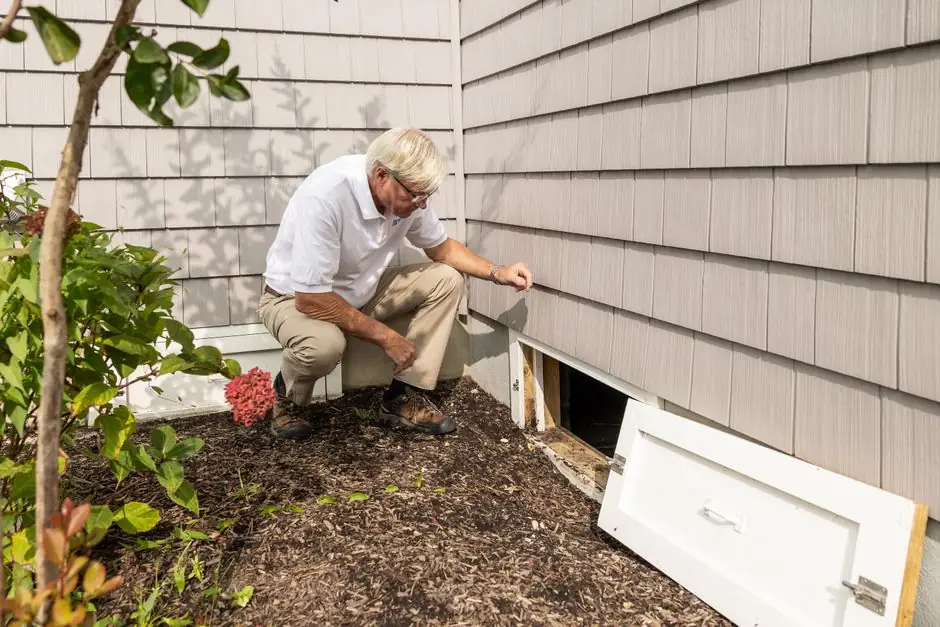
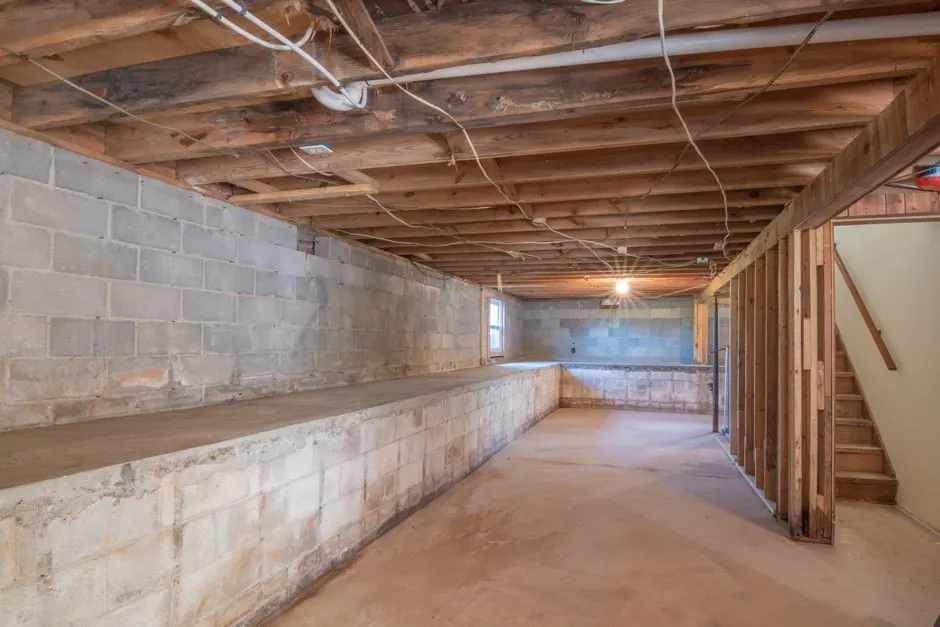
- Crawl-space moisture response — We check crawl-space framing, insulation, and plumbing for wet conditions that may be affecting the floor above. St. Stephen homeowners receive a removal and drying plan based on accessible readings and material condition. We can discuss a vapor barrier where the site conditions make it appropriate.
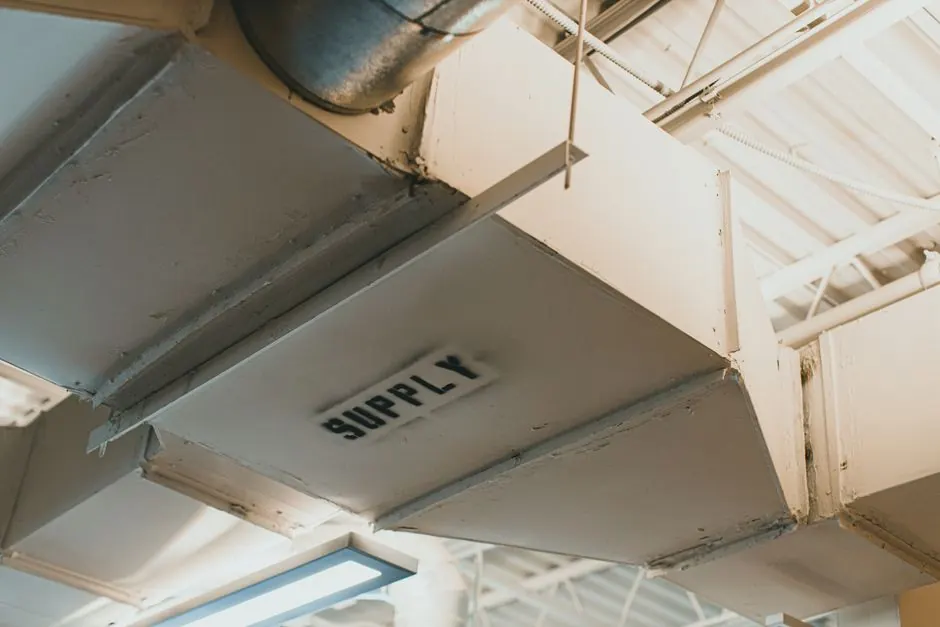
- HVAC moisture and odor checks — When a musty smell develops near an air handler or vent, we look for condensate leaks, wet insulation, and moisture on nearby materials. In St. Stephen homes, we distinguish an equipment drainage issue from mold on building materials, then direct cleanup to the confirmed affected area.