Residential Mold Remediation for Taylors Homes
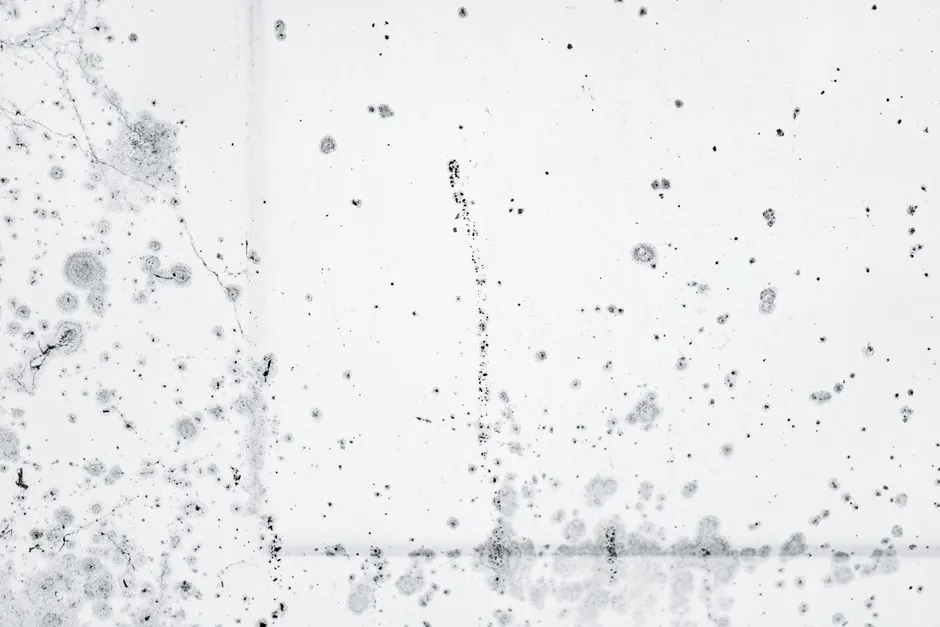
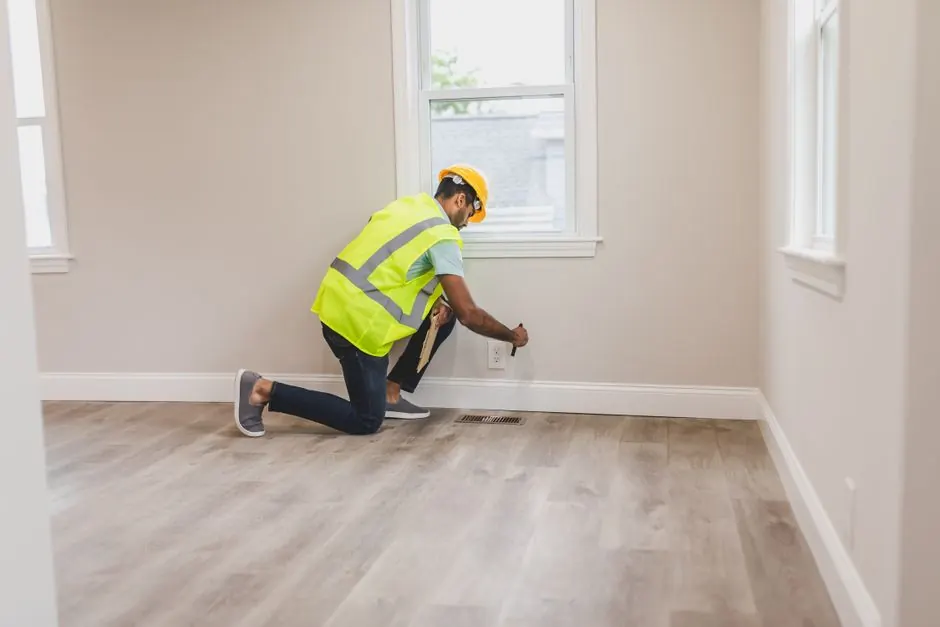
Taylors homes range from established houses with aging roofs and crawl spaces to newer properties with different ventilation and drainage details. A leak behind a bathroom fixture, attic moisture after a storm, or persistent crawl-space dampness can affect more than the first visible surface. Our residential mold removal in Taylors, South Carolina starts with a room-by-room moisture check and a clear boundary around affected materials. We protect the path into the work area, use suitable filtration, and keep you informed about what can be cleaned and what should be removed. If your household is occupied during the job, we plan the work zone to limit disruption and keep unaffected rooms accessible where conditions allow.
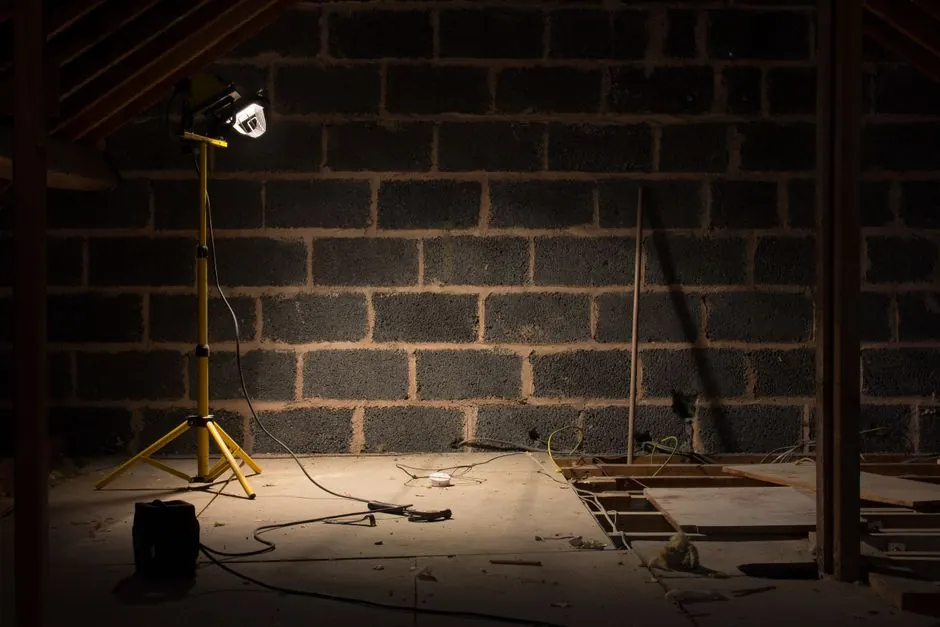
- Attic leak cleanup and drying — We inspect roof-side materials after a stain appears, check insulation and framing, and isolate affected sections. In Taylors, seasonal weather changes can contribute to attic moisture, so we look for the water entry path as well as the visible growth. We dry retained materials and identify repairs needed to stop further intrusion.
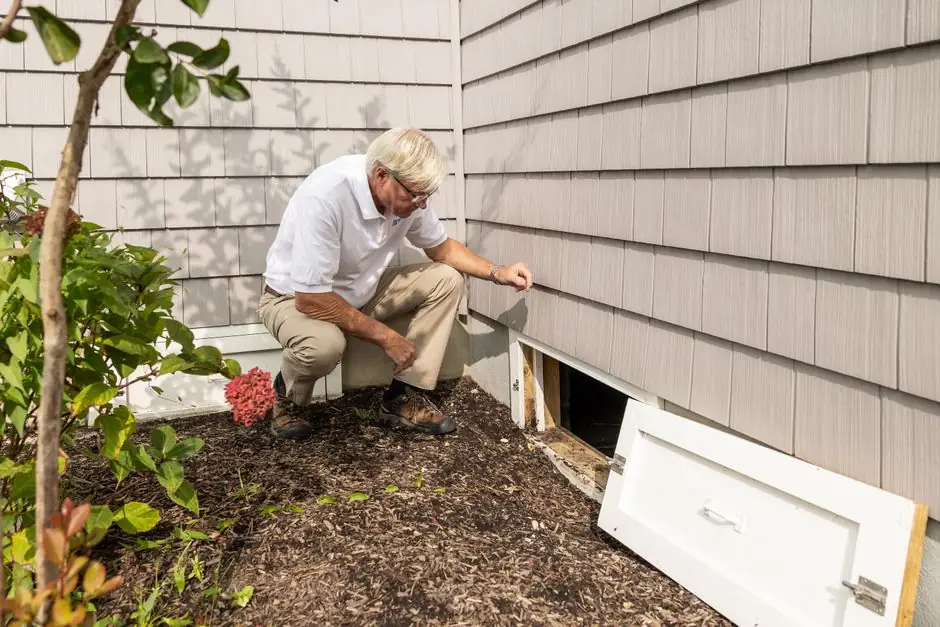
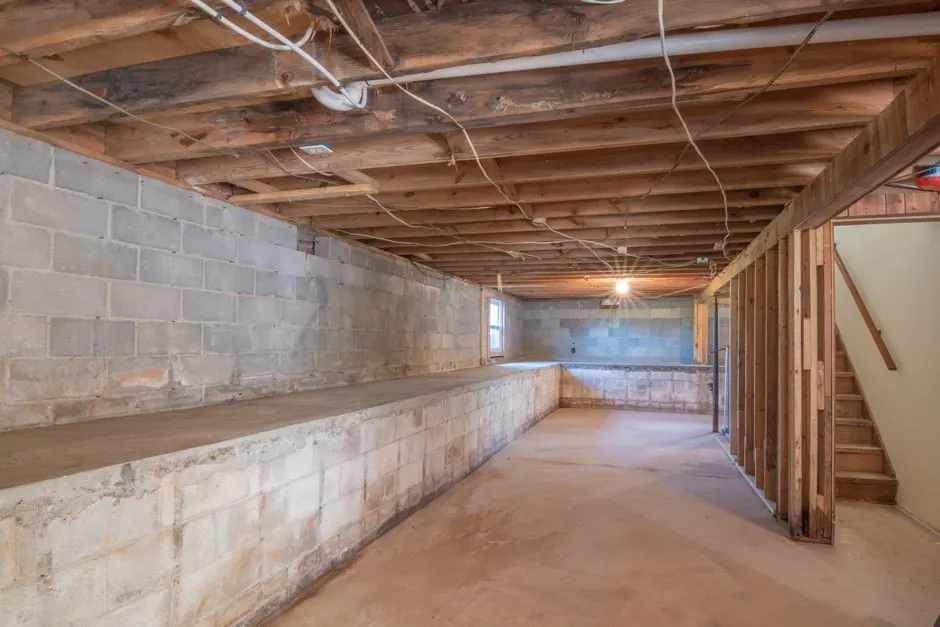
- Crawl space moisture cleanup — Our crew checks ground conditions, foundation edges, plumbing, and floor framing before selecting cleanup steps. When crawl space moisture has affected porous materials, we remove what cannot be cleaned, treat retained surfaces, and document drying. We can also discuss a crawl space vapor barrier where it fits the observed conditions.
- Bathroom and plumbing leak remediation — A small leak behind a vanity or tub can wet drywall and cabinet materials without a visible puddle. We trace the damp area, protect adjacent rooms, and remove unsalvageable materials. Before the wall is closed, we verify drying and explain which plumbing or building repair needs to be completed.
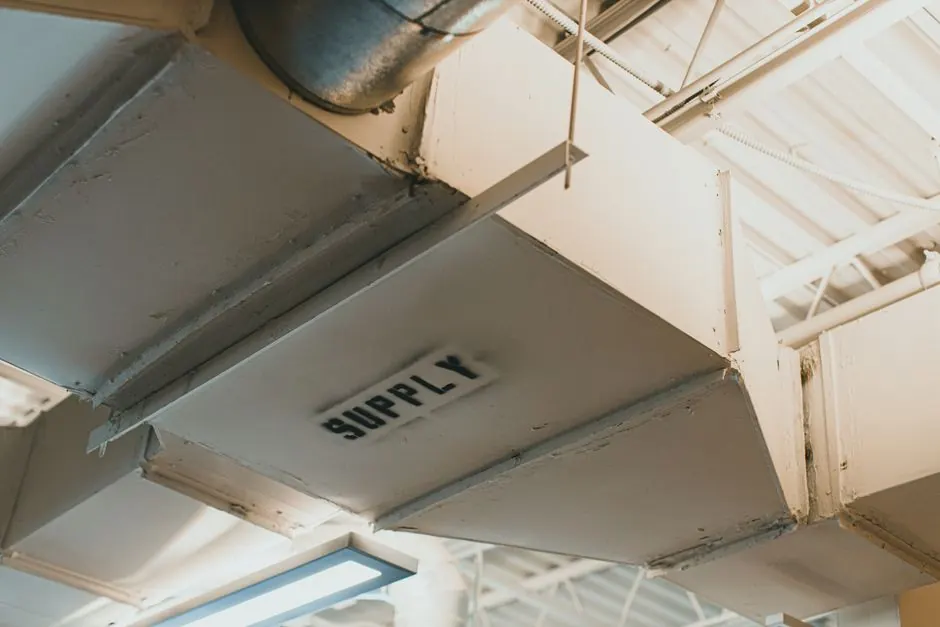
- Indoor humidity and HVAC cleanup — When condensation appears on ducts or nearby surfaces, we assess humidity and the affected materials rather than treating every odor as duct contamination. We clean or remove confirmed affected areas, check moisture conditions, and explain the HVAC or drainage issue that should be corrected to prevent recurrence.