
Residential Mold Remediation for Tigerville Homes
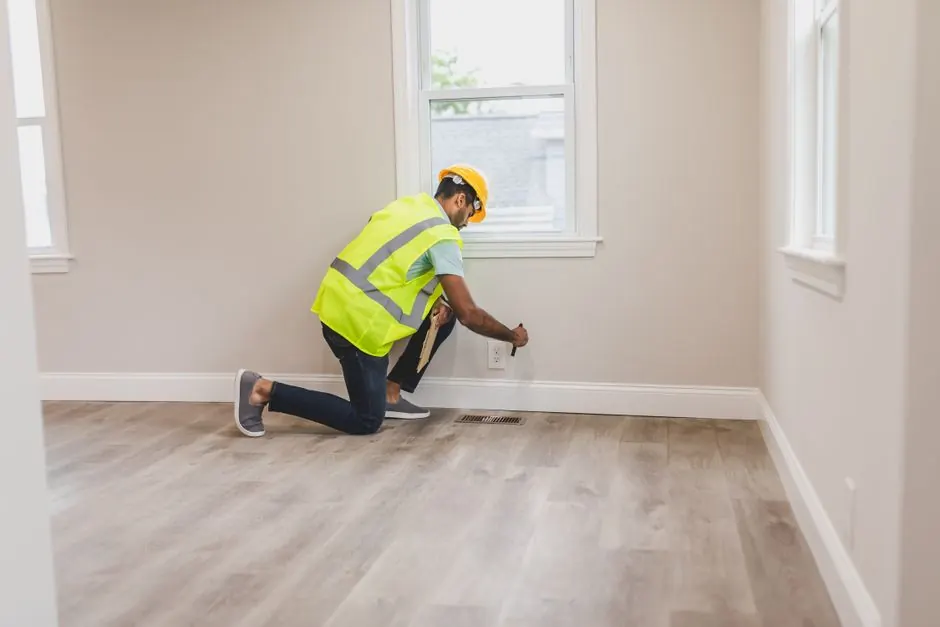
Tigerville homes include older houses, newer construction, raised foundations, and rural properties with different attic and crawl space layouts. That variety matters when a family finds a musty closet, a ceiling stain, or damp insulation after a leak. We inspect the visible room and the surrounding assembly, then explain whether the affected material can be cleaned or needs removal. Residential mold removal also means protecting everyday access: bedrooms, kitchens, and hallways should remain separated from the work area where practical. A moisture meter helps us check materials rather than relying on surface appearance. If drywall is opened, we contain debris and dry exposed framing before repairs. We also look for water intrusion, plumbing failures, condensation, and crawl space moisture so the source is not left behind. You get a direct explanation of the work and the next step for your home.
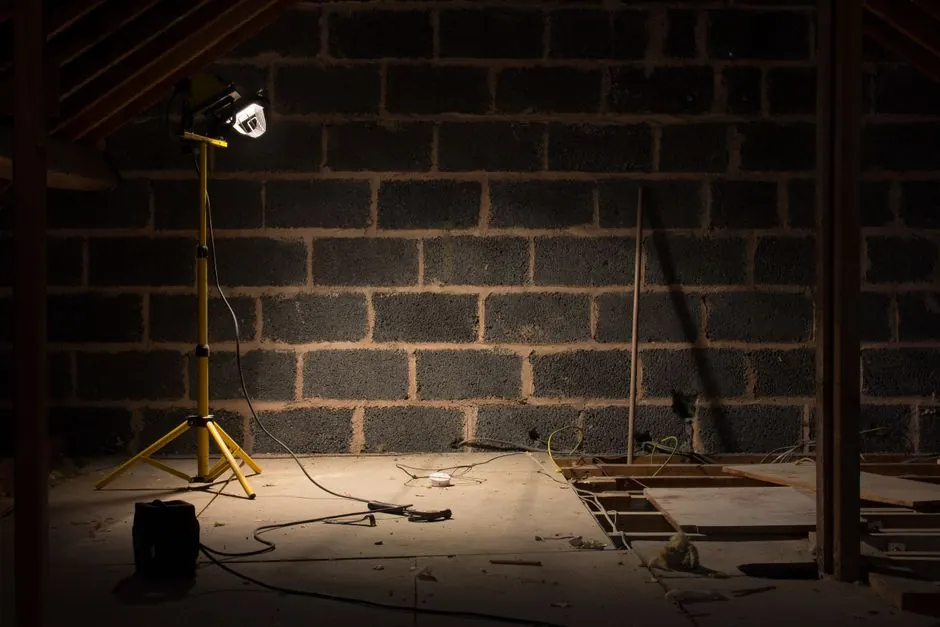
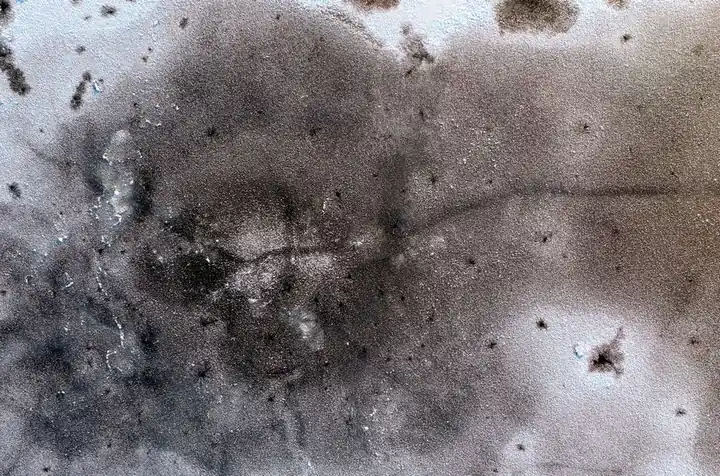
- Attic leak and mold cleanup — If a ceiling stain appears after rain, we inspect the attic side where access allows and trace dampness through insulation and sheathing. In Tigerville, the visible mark may sit away from the roof entry point. We remove affected materials as needed and verify drying before the opening is repaired.
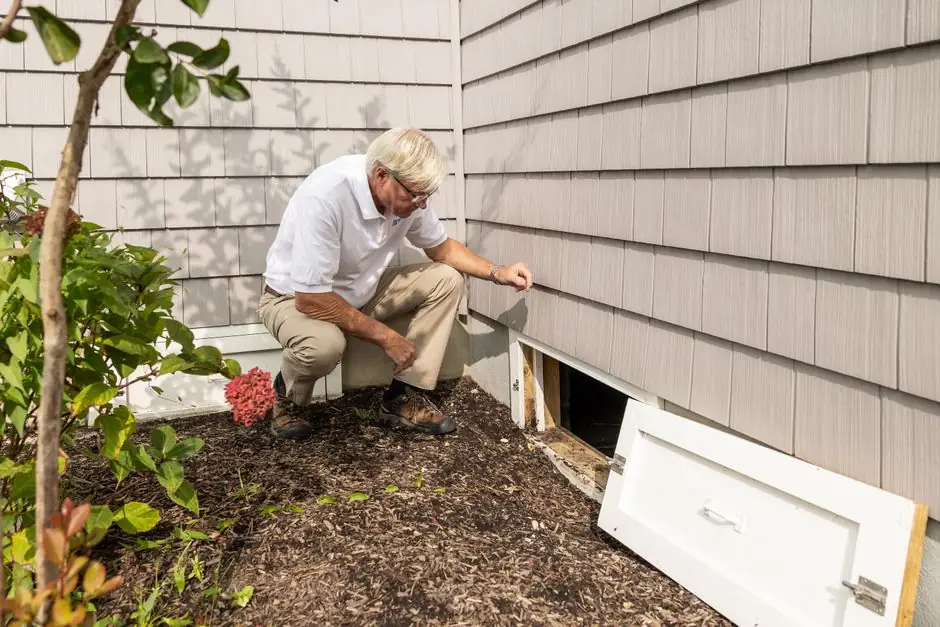
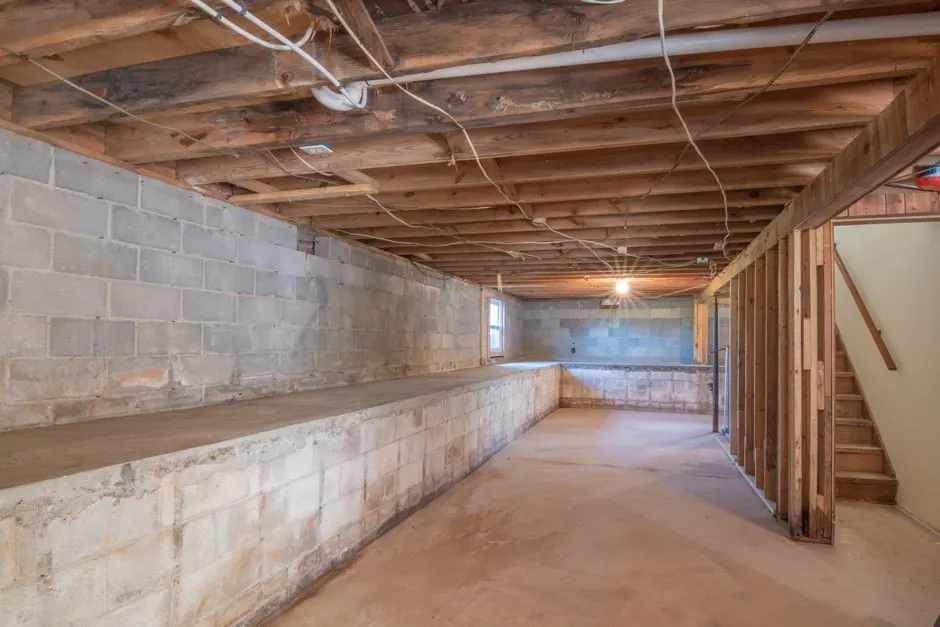
- Crawl space moisture remediation — We check floor framing, insulation, and ground moisture beneath Tigerville homes with crawl spaces. If a plumbing leak or water entry is active, that source must be controlled before cleanup can hold. A suitable vapor barrier may be part of the moisture plan after conditions are assessed.
- Bathroom and laundry area cleanup — Slow fixture leaks can wet wallboard and flooring without leaving a large puddle. We inspect adjacent materials, contain removal where required, and dry the cavity before repairs. If your bathroom keeps developing a musty smell, we look beyond the surface stain to find the moisture path.
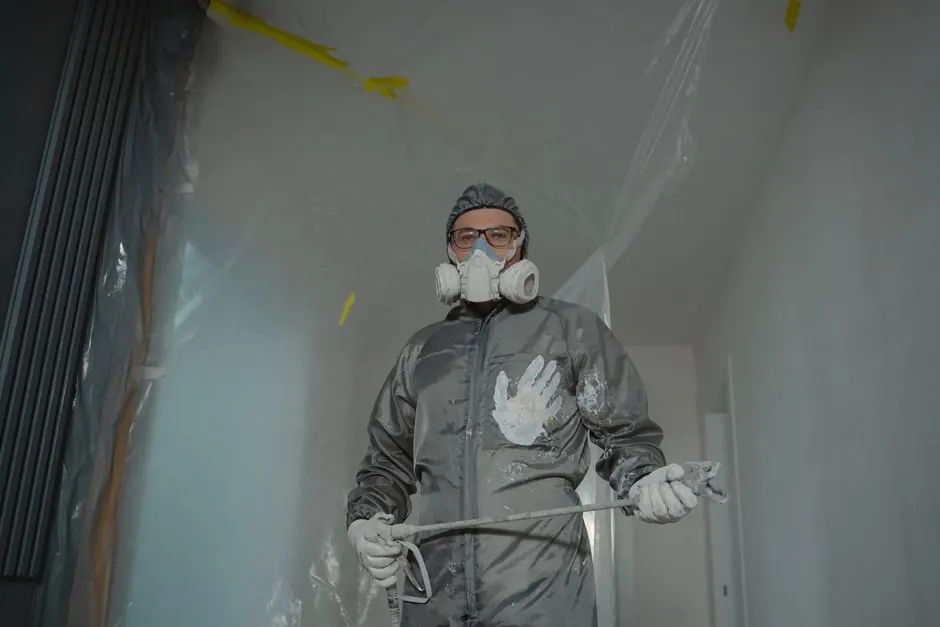
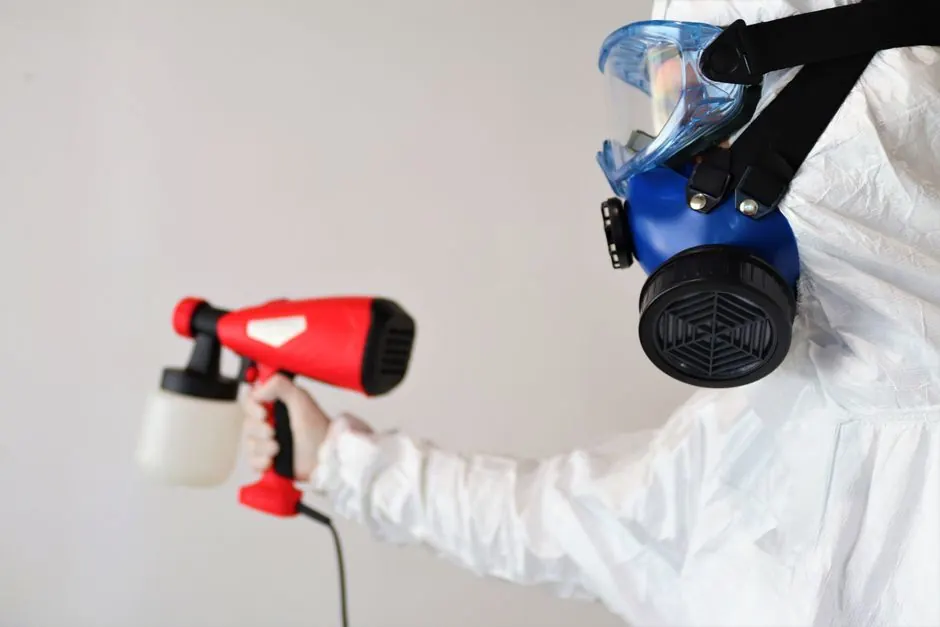
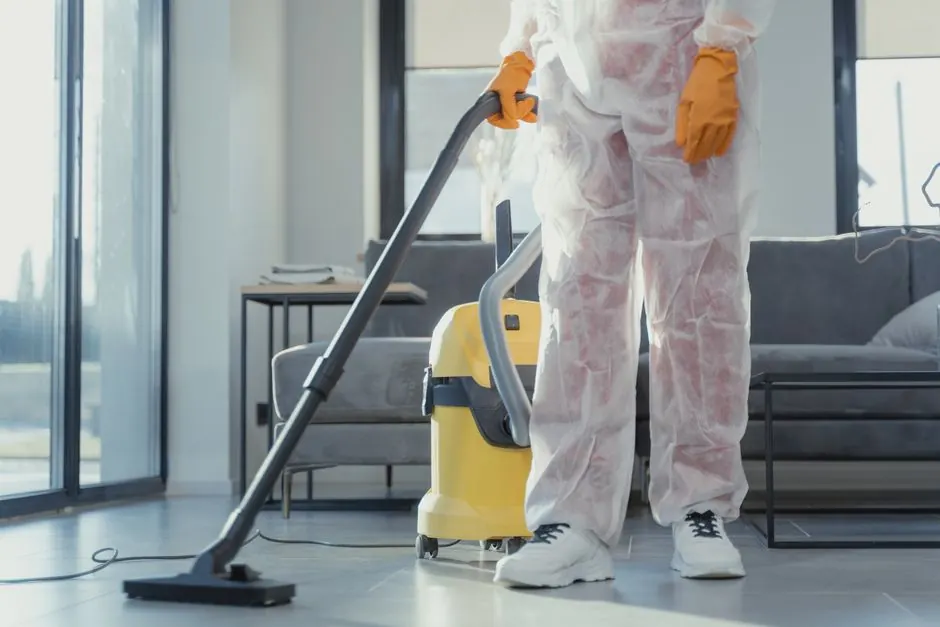
- Room containment and material removal — For a Tigerville bedroom, hallway, or utility room, we isolate the affected zone and protect nearby household areas. Porous materials are evaluated for cleaning or removal, while framing is cleaned and dried where appropriate. We keep the work sequence clear so you know when the area can be repaired.